Summary:
Your Energy Bills Keep Climbing Despite Normal Usage
Your energy bills keep climbing even though you haven’t changed your habits. This is often the first—and most expensive—sign that your windows are failing you.
In Maryland’s climate, inefficient windows work overtime against you. During our sweltering summers, cool air escapes through gaps and poor seals. In winter, heated air does the same while cold drafts sneak in. Your HVAC system runs constantly trying to maintain comfortable temperatures.
Energy Star estimates that Maryland homeowners save around $236 annually just from window replacement. When you consider that energy-efficient windows can cut heating and cooling costs by 25-30%, those monthly savings add up fast.
How Much Money Are Bad Windows Actually Costing You?
The numbers might surprise you. If your energy bills have increased by $50-100 per month over the past year, your windows could be the main culprit.
Single-pane windows, common in older Maryland homes, are energy disasters waiting to happen. They offer virtually no protection against our temperature extremes. During July heat waves when it hits 100°F outside, these windows turn your home into a greenhouse. Come January, they might as well be open doorways.
Double-pane windows with modern insulation can reduce energy waste by up to 20% or more. For the average Maryland homeowner spending $200-300 monthly on utilities, that’s $40-60 back in your pocket every month. Over a year, you’re looking at $500-700 in savings.
Here’s what most people don’t realize: the problem gets worse over time. As seals deteriorate and frames warp from our humidity and temperature swings, energy loss accelerates. What starts as a $20 monthly increase can quickly become $100 or more.
Coastal areas around Anne Arundel County, Talbot County, and the Eastern Shore face additional challenges. Salt air corrodes window hardware and seals faster than inland areas. Humidity creates condensation problems that single-pane windows simply can’t handle.
If you’re tracking your energy usage and notice bills climbing during mild spring and fall months—when you’re barely running heat or AC—your windows are likely the problem. Those should be your lowest energy months.
The Hidden Costs of Waiting Too Long
Postponing window replacement doesn’t just mean higher energy bills. It leads to expensive problems throughout your home that most homeowners never see coming.
Poor window seals allow moisture to penetrate your walls. In Maryland’s humid climate, this creates perfect conditions for mold and mildew growth. What starts as a window problem becomes a health hazard and expensive remediation project.
Drafty windows force your HVAC system to work harder than it was designed to handle. This extra strain shortens equipment lifespan significantly. A furnace or air conditioner that should last 15-20 years might need replacement in 10-12 years when constantly fighting inefficient windows.
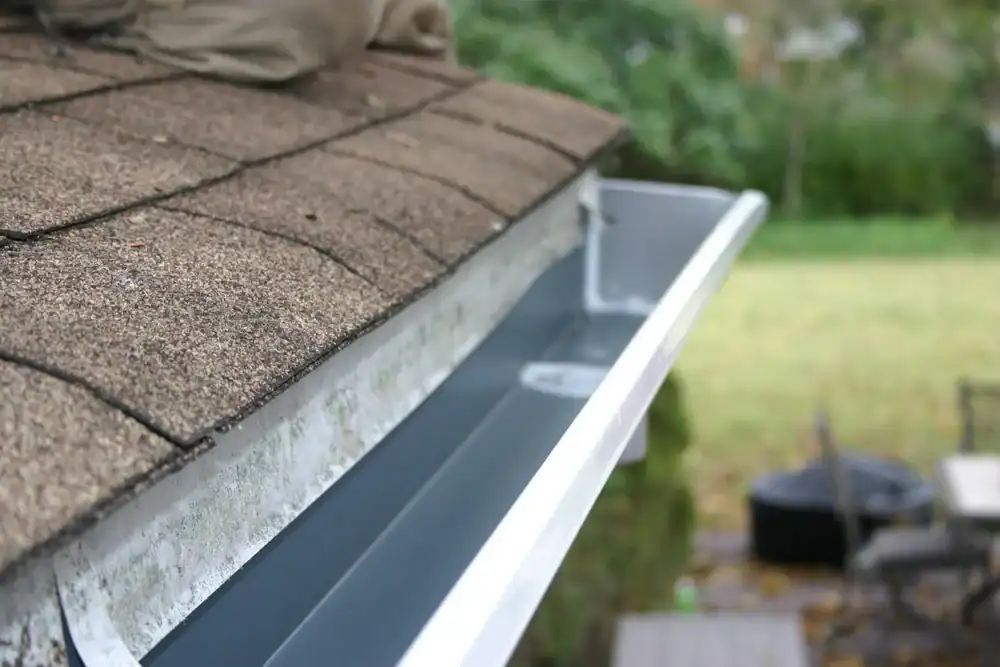
Ice dams are another winter concern for Maryland homeowners. When warm air escapes through poor window seals, it melts snow on your roof. That water refreezes at the gutters, creating ice dams that damage your roof, gutters, and even your home’s interior.
The freeze-thaw cycles common in Prince George’s County, Caroline County, and throughout Maryland are particularly hard on window frames. Wood frames swell and contract, creating gaps. Vinyl frames can crack. These problems compound each season.
Insurance claims related to water damage from failed windows are becoming more common. While your homeowner’s insurance might cover sudden storm damage, gradual damage from poor seals typically isn’t covered. You’re paying for repairs that could have been prevented with timely window replacement.
Consider this: window replacement typically recovers over 70% of its cost in increased home value. Waiting until you have water damage, mold problems, or HVAC failures means you’re paying for both the original window problems and all the additional damage they caused.
Visible Signs Your Windows Are Actually Failing
Sometimes your windows make their problems obvious. You just need to know what to look for.
Condensation between glass panes is a dead giveaway that seals have failed. When you see fog or water droplets between double-pane glass, the airtight seal is broken. The insulating gas between the panes has escaped. Your window is now performing like a single-pane window while you’re still paying to heat and cool as if it were efficient.
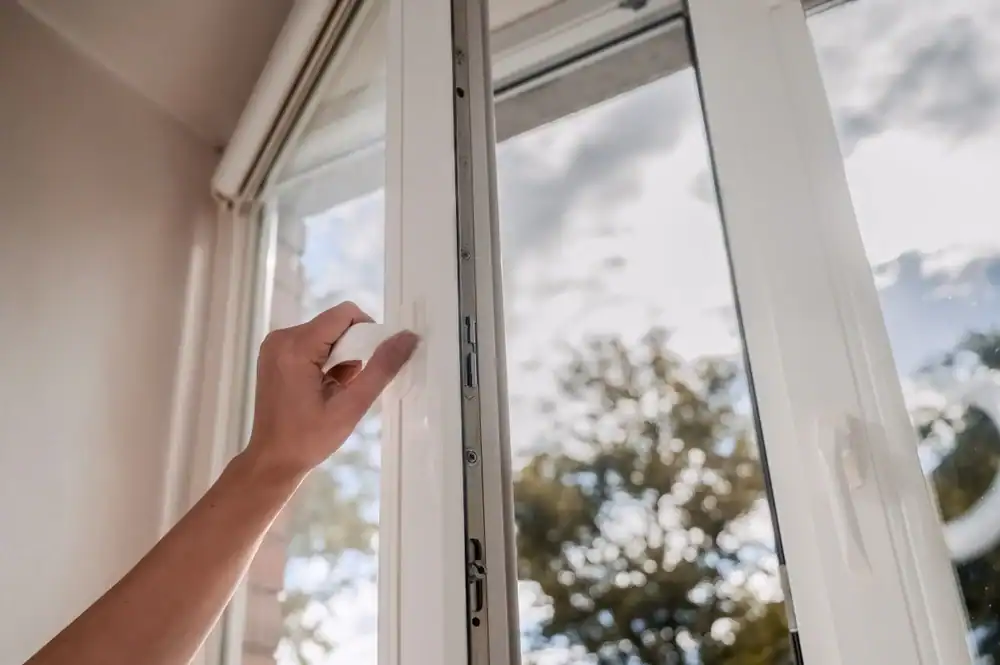
Difficulty opening or closing windows is another clear warning sign. Frames warp from Maryland’s humidity and temperature changes. Windows that stick, require force to open, or won’t stay open have structural problems that will only get worse.
Drafts You Can Actually Feel Around Window Frames
Stand near your windows on a windy day. If you feel air movement, you’re losing money every single day those windows remain in place.
Drafts around window frames indicate failed weatherstripping or warped frames. In Maryland’s climate, these problems accelerate quickly. What starts as a barely noticeable draft can become a significant air leak within a single season.
Try the candle test. On a windy day, hold a lit candle near your window frames. If the flame flickers or bends, you have air infiltration. Pay special attention to corners and where the window meets the sill—these are common failure points.
Professional energy auditors often find that windows account for up to 30% of heating and cooling energy loss in Maryland homes. That’s a significant portion of your energy budget literally blowing away.
Don’t ignore drafts just because they seem minor. Cold air entering your home doesn’t just make you uncomfortable—it forces your heating system to work overtime. In summer, hot, humid air infiltrating your home makes your air conditioner run constantly.
The problem is particularly bad in coastal Maryland areas like Kent County, Delaware, Sussex County, Delaware, and Wicomico County, Maryland. Salt air accelerates the deterioration of weatherstripping and seals. What might last 10-15 years inland might fail in 5-7 years near the Chesapeake Bay.
Modern replacement windows feature multiple weatherstripping layers and advanced sealing technologies. They’re designed specifically to handle Maryland’s climate challenges, from hurricane-force winds to temperature swings of 100+ degrees between seasons.
Condensation and Moisture Problems You Can't Ignore
Excessive condensation on your windows, especially in winter, signals inadequate insulation and ventilation problems that efficient windows could solve.
Interior condensation forms when warm, humid indoor air meets cold window surfaces. While some condensation is normal during extreme temperature differences, excessive moisture indicates your windows aren’t providing adequate thermal barriers.
This problem is especially common in Maryland because of our humid climate. Homes near the Chesapeake Bay in Queen Anne’s County, Talbot County, and throughout the Eastern Shore experience higher humidity levels year-round. If you’re constantly wiping down windows or dealing with water pooling on sills, your windows aren’t performing.
Condensation between glass panes is more serious. This indicates complete seal failure in double-pane windows. The insulating gas has escaped, and moisture has entered the space between panes. These windows have lost their energy efficiency and need immediate replacement.
Look for water stains or discoloration around window frames. This suggests moisture has been infiltrating your walls, potentially causing hidden damage to framing, insulation, and drywall. In Maryland’s humid environment, this moisture can quickly lead to mold growth.
Frost forming on the interior of windows during winter is another red flag. This happens when indoor humidity meets extremely cold window surfaces—a sign that your windows are conducting too much cold into your home. Efficient windows maintain warmer interior surface temperatures, preventing frost formation.
Window installation professionals familiar with Maryland’s climate understand these moisture challenges. We can recommend specific glass coatings and frame materials designed to minimize condensation while maximizing energy efficiency in our unique coastal environment.
Making the Right Window Replacement Decision for Your Home
Recognizing these signs early gives you the advantage of planning your window replacement rather than facing an emergency situation. Maryland homeowners who act proactively typically save money and avoid the headaches that come with failed windows.
Energy-efficient replacement windows designed for our climate can transform your home’s comfort while significantly reducing utility costs. With potential annual savings of $236 or more, quality windows often pay for themselves within a few years through energy savings alone.
When you’re ready to explore your window replacement options, we bring over 30 years of experience helping Maryland homeowners make smart decisions. As a GAF Master Elite certified contractor ranking in the top 2% nationwide, our commitment to quality workmanship ensures your investment will perform for decades to come.