
Summary:
Visible Signs of Roof Damage You Can Spot from the Ground
You don’t need to climb onto your roof to identify serious problems. Some of the most telling signs are visible right from your yard or driveway.
Missing shingles littering your yard are the easiest to spot and represent the biggest sign of storm damage to your roof. After Maryland’s frequent storms, take a walk around your property and look for shingles that may have blown off.
Missing, cracked, or curled shingles are a clear sign that your roof is compromised, especially after Maryland’s hot summers and icy winters cause shingles to deteriorate quickly. Even if you only notice a few damaged shingles, it’s worth having a professional assess the overall condition of your roof.
Granules in Your Gutters Signal Shingle Deterioration
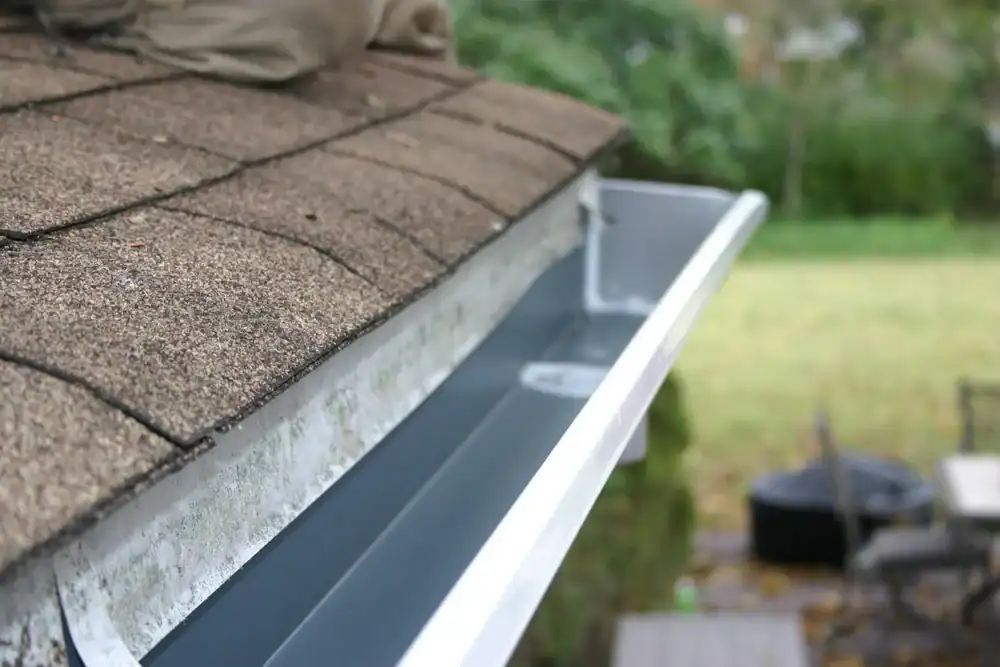
One visible way of determining roof health is looking at your gutters, as the answer lies in shingle composition and sediment loss. When you clean your gutters, pay attention to what you’re removing.
You may notice fine, sand-like materials or rock-like sediment in your gutters or downspouts. That is not dirt and debris kicked up onto your roof—these pebbles or gravel are from the rough top layer of your shingles.
Granules are little pieces of asphalt embedded in asphalt shingles for fire resistance, color, and UV ray protection. The whole point of granules is to ensure the longevity of an asphalt shingle roof. Granular loss is simply when your asphalt shingles start to lose their protective granules.
Finding granules in your gutters is commonplace unless you find a bunch of granules. Even a new roof may have slight granule loss. Where homeowners need to pay attention is if there is considerable loss in a particular area of the roof.
Increased energy bills and granules in gutters are signs of potential roofing problems. Finding granules in your gutters indicates shingle wear, so contact a roofing contractor to inspect your roof and determine if it needs repair or replacement.
The key is distinguishing between normal granule loss and excessive loss that indicates your roof needs attention. If your roof is losing its granules, it’s probably telling you it’s time for a replacement. However, you won’t know how severe or if it’s enough to warrant a new roof until after a roof inspection.
Roof Sagging and Structural Warning Signs
If you see uneven or sagging sections of your roof, it’s crucial to address them immediately. Left unchecked, a sagging roof can lead to a full collapse.
A sagging roof can sometimes be a sign of larger issues. When a house has thin plywood, poor ventilation, or sustained damage over time, it will begin to sag. Once this happens, the roofing material begins to be compromised in multiple ways. Sometimes the sagging can be repaired, but other times the issue is spread across the whole roof, leading to a need for replacement.
Signs of a sagging roof include visible dips or curves on the roof surface and displacement of insulation in the attic. These symptoms suggest that the roof’s structural integrity is compromised, or in severe cases, it can be a sign of foundational damage.
Don’t ignore subtle changes in your roofline. What might appear as a minor dip could indicate serious structural problems that require immediate professional attention. Structural issues like a sagging roof deck or sheathing decay can indicate severe underlying problems that require immediate attention. Roof sagging can lead to a potential collapse if not addressed promptly, while sheathing decay weakens the roof’s foundational layer. A sagging roof deck usually indicates serious underlying issues that may necessitate a complete Roof Replacement.
The good news is that catching these issues early through regular inspections can often prevent the need for complete roof replacement. However, once sagging becomes visible, time is of the essence.
Interior Signs That Point to Roof Problems
Sometimes the most obvious signs of roof trouble appear inside your home rather than outside. Water stains, mold growth, and temperature fluctuations can all indicate that your roof isn’t performing as it should.
Leaks can occur for several reasons, including cracked shingles, broken flashing, or clogged gutters. If you notice water stains on your ceiling or walls, it’s time to investigate further. Maryland’s unpredictable weather—from heavy rain to snow—can exacerbate small leaks, leading to mold, rot, and structural damage. Promptly addressing leaks is essential to prevent extensive damage to your home.
Water Stains and Leak Detection
A leak in the roof seems fairly straightforward: water starts dripping down through the ceiling. A roof inspection service makes it possible to detect a roof leak before it starts raining in your house. Roof Repair gets more expensive the longer you avoid addressing the problem, so don’t delay.
Water stains often appear as brown or yellow discoloration on your ceiling or walls. These stains might seem minor, but they represent a much larger problem. By the time water damage becomes visible inside your home, moisture has likely been penetrating your roof system for weeks or even months.
While water stains are often caused by roof leaks, they can also result from plumbing issues or condensation. It’s essential to investigate the source of the stain to address it appropriately. This is where a professional roof inspection becomes invaluable—an experienced contractor can determine whether the water damage originates from your roof or another source.
Unnoticed roof damage can quickly lead to expensive repairs if left unaddressed. Water leaks, mold growth, or structural damage can result in costly remediation. Routine inspections help catch small issues before they turn into major expenses.
Don’t wait for multiple stains or active dripping to take action. Even one small water stain warrants immediate investigation, especially in Maryland where seasonal freeze-thaw cycles can rapidly expand small roof problems into major structural issues.
Energy Bill Increases and Temperature Control Issues
Your roof does more than keep rain out—it’s a critical component of your home’s insulation system. When roof integrity is compromised, your energy bills often reflect the problem before you notice other signs.
Signs of inadequate ventilation include high attic temperatures, excessive moisture, mold growth, and increased energy bills. Proper ventilation extends the life of your roof and improves energy efficiency.
If you’ve noticed your heating or cooling bills creeping up without changes to your usage patterns, your roof might be the culprit. Damaged or missing shingles, compromised flashing, or inadequate ventilation can all force your HVAC system to work harder to maintain comfortable temperatures.
Your roof plays a key role in maintaining the overall value of your home. A damaged or poorly maintained roof can lower the resale value and deter potential buyers. Regular roof inspections ensure that your home remains in optimal condition and retains its value.
Maryland’s extreme temperature swings put additional stress on roofing systems. Maryland’s hot summers and icy winters can cause shingles to deteriorate quickly, especially if they’re already aging. When your roof can’t properly regulate temperature transfer, you’ll feel it in both your comfort level and your wallet.
Temperature inconsistencies between rooms, drafts near the ceiling, or ice dams in winter can all indicate roof problems that require professional assessment. These issues often develop gradually, making them easy to overlook until they become expensive problems.
When to Schedule Your Professional Roof Inspection
We recommend having roof inspections done once in the spring and then once again in the fall when the weather is on the mild side. By inspecting your roof in the spring and fall, you’ll ensure that it’s equipped to handle whatever the summer and winter throw at it. You’ll also get the chance to make repairs to any damage that may have been done to it during the previous summer or winter.
If your area has recently experienced heavy rain, hail, strong winds, or any severe weather, even if there are no visible signs of damage, a professional inspection can detect underlying issues caused by the storm. It’s recommended to have your roof inspected at least once a year. Regular maintenance inspections can help catch minor issues before they escalate, ensuring your roof stays in top condition throughout the year.
Don’t wait for obvious damage to schedule an inspection. The seven signs we’ve covered—from granules in gutters to interior water stains—are your roof’s way of asking for help before a minor issue becomes a major expense. We offer comprehensive roof inspections to help Maryland homeowners protect their investment and maintain their peace of mind.