
Hear from Our Customers
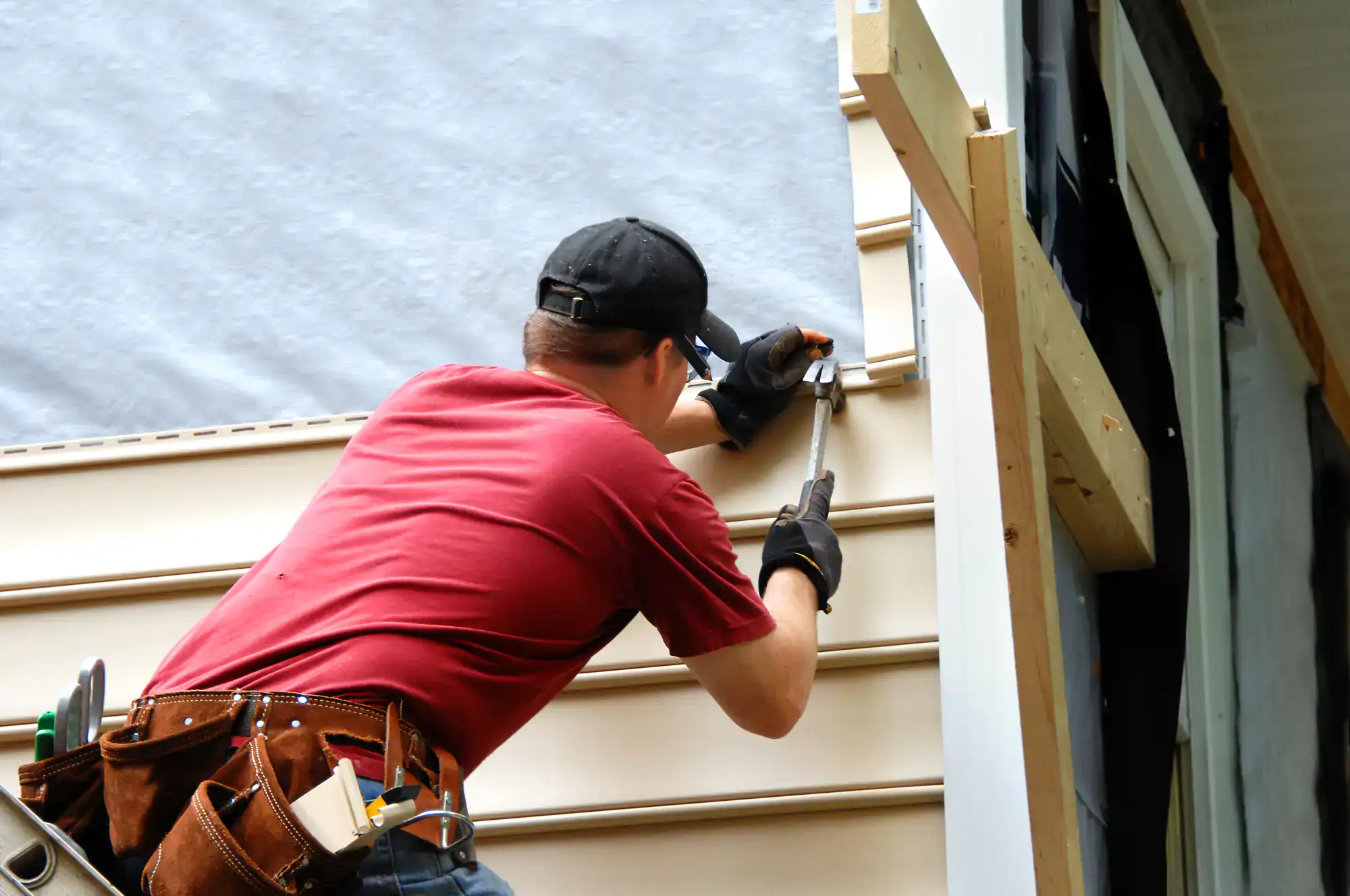
You stop worrying about your next heating bill. Maryland winters hit hard, and poorly installed siding lets cold air seep through every crack, driving up energy costs month after month. When your siding installation is done right, your home stays comfortable without the constant battle against drafts.
Your weekends become yours again. No more scraping, painting, or patching damaged sections every few months. Quality siding handles Maryland’s weather swings without demanding your constant attention.
Storm damage stops being a crisis. When the next severe weather hits Laurel, proper siding installation means you’re protected instead of scrambling for emergency repairs.
We’ve been installing siding on Maryland’s Eastern Shore for over 30 years. We’re not just another contractor – we’re GAF Master Elite certified, which puts us in the top 2% of contractors nationwide.
We’ve seen what Maryland weather does to poorly installed siding. The humidity that warps cheap materials, the temperature swings that crack inferior products, the storms that reveal every shortcut. That’s why we only work with materials that can handle what Laurel throws at them.
Our certification means enhanced warranties backed by GAF, covering both materials and workmanship. When storm damage happens, we work directly with your insurance company to handle the claims process, so you don’t have to fight for coverage you’ve already paid for.
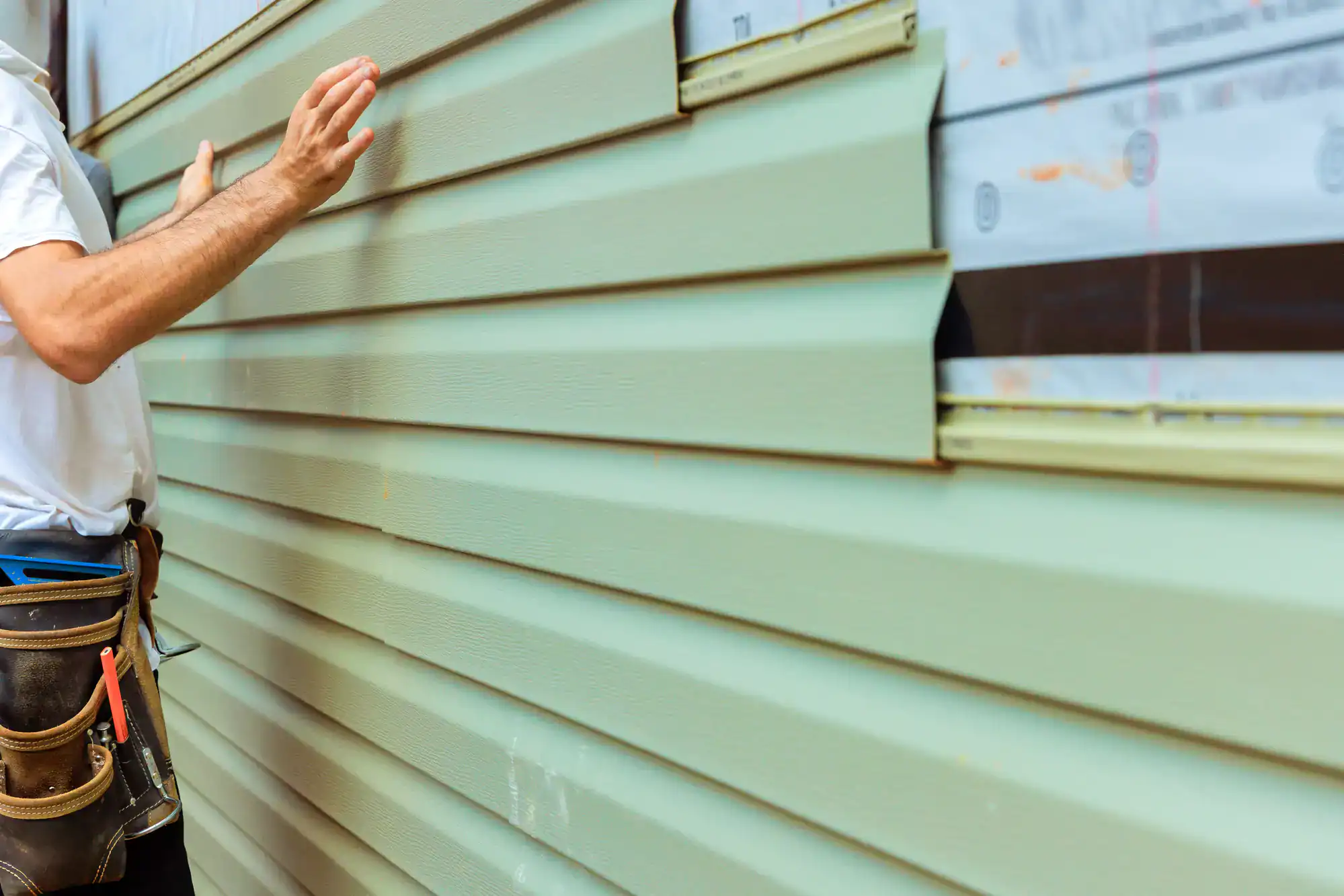
First, we inspect your current siding and assess what Maryland weather has done to it. We’re looking for moisture damage, energy loss points, and structural issues that need addressing before new installation.
Next, we help you choose the right material. Vinyl siding works well in Laurel’s climate and requires minimal maintenance – just an annual wash. Fiber cement offers superior durability if you want something that lasts decades. Wood siding provides natural beauty but needs more care in Maryland’s humid conditions.
During installation, we focus on proper moisture barriers and ventilation. Maryland’s humidity can destroy even good siding if it’s not installed correctly. We make sure water stays out and air flows properly.
After completion, we walk through everything with you and explain your warranty coverage. If storm damage occurs later, we’re here to assess it and work with your insurance company.
Ready to get started?
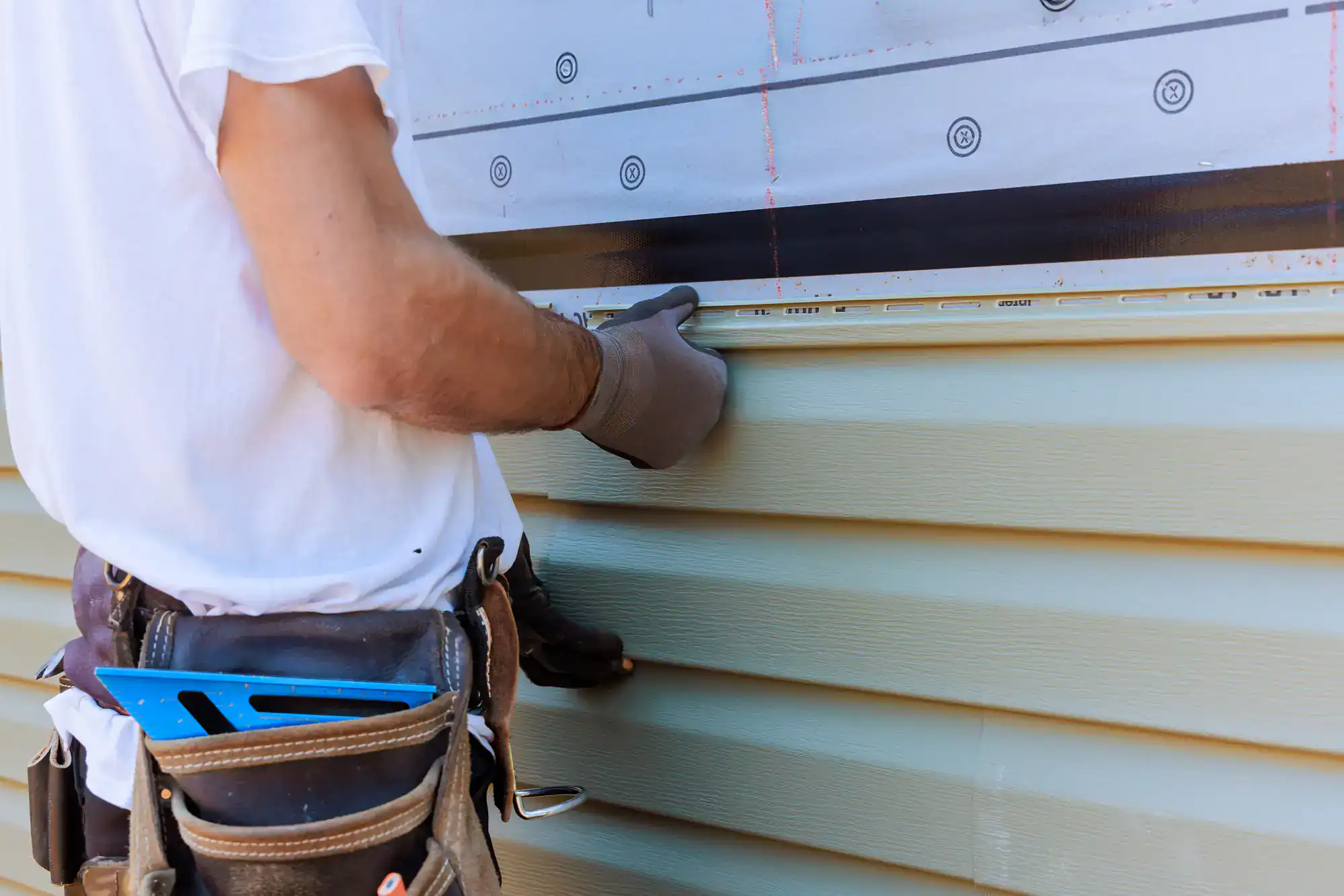
Your siding installation includes complete removal of old materials, proper moisture barriers, and installation of your chosen siding material with all necessary trim and flashing. We handle permits and inspections required in Laurel.
Maryland homes face unique challenges. The Chesapeake Bay’s influence creates humidity levels that can destroy improperly installed siding. Temperature swings from 30°F winters to 89°F summers test every material. We account for these conditions in every installation.
We work with vinyl, fiber cement, and wood siding options. Vinyl offers the best value for Maryland homeowners – it doesn’t absorb moisture, handles temperature changes well, and many manufacturers offer lifetime warranties. Fiber cement costs more upfront but can last 50+ years in Maryland’s climate.
All installations include our workmanship warranty plus manufacturer warranties. For storm damage, we provide documentation your insurance company needs and handle the claim process directly with adjusters.
Most residential siding installations in Laurel take 3-7 days, depending on your home’s size and complexity. Weather can extend this timeline – we won’t install siding in rain or extreme temperatures because moisture trapped behind new siding causes long-term problems.
Maryland’s unpredictable weather means we schedule with flexibility built in. Spring and fall are ideal installation seasons here, with more stable temperatures and lower humidity. Summer installations are possible but require careful timing around afternoon thunderstorms.
We’ll give you a realistic timeline during your estimate and keep you updated if weather delays occur. Rushing siding installation to meet arbitrary deadlines leads to problems that cost more to fix than the time saved was worth.
Vinyl siding performs exceptionally well in Maryland’s climate. It doesn’t absorb moisture like wood, won’t rust like metal, and handles our temperature swings without cracking. Most vinyl siding comes with lifetime warranties and requires only annual washing.
Fiber cement is another excellent choice for Maryland homes. It’s more expensive than vinyl but extremely durable – many fiber cement installations last 50+ years. It handles humidity well and won’t rot, warp, or attract insects.
Wood siding can work in Maryland but requires more maintenance. You’ll need to seal and stain it every few years to prevent moisture damage. Cedar naturally resists rot better than other woods, but Maryland’s humidity still demands regular upkeep to prevent problems.
Yes, properly installed siding significantly reduces energy costs in Maryland. Old or poorly installed siding lets conditioned air escape and outside air infiltrate, forcing your HVAC system to work harder year-round.
Maryland’s climate is particularly demanding – cold winters require substantial heating, and humid summers mean constant air conditioning. Quality siding installation with proper insulation and moisture barriers can reduce energy bills by 15-25% annually.
Insulated vinyl siding provides even better energy performance. The foam backing adds R-value and eliminates thermal bridging through wall studs. In Maryland’s climate, this upgrade typically pays for itself within 5-7 years through reduced energy costs.
Most homeowner’s insurance policies in Maryland cover siding damage from storms, hail, and wind. The key is documenting damage quickly and working with contractors who understand insurance requirements.
We work directly with insurance adjusters and provide detailed documentation they need for claims approval. This includes photos, measurements, and material specifications that match your policy coverage. Many homeowners get denied claims because they don’t provide proper documentation.
Maryland sees significant storm activity – high winds, hail, and severe thunderstorms can damage siding quickly. After major weather events, schedule an inspection promptly. Insurance companies have time limits for filing claims, and waiting too long can result in denial.
Your choice depends on budget, maintenance preferences, and long-term plans. Vinyl siding costs less upfront and requires minimal maintenance – perfect if you want to install and forget. Quality vinyl lasts 20-30 years in Maryland’s climate.
Fiber cement costs 2-3 times more than vinyl but lasts much longer – often 50+ years. It needs repainting every 10-15 years but handles Maryland weather exceptionally well. Choose fiber cement if you’re staying long-term and want maximum durability.
Consider your home’s style too. Fiber cement can replicate wood grain textures and holds paint better than vinyl. Vinyl offers more color choices and newer products look increasingly realistic. Both perform well in Maryland’s humidity and temperature swings.
Look for contractors with extensive Maryland experience who understand local climate challenges. Proper licensing and insurance are non-negotiable – never work with uninsured contractors regardless of their prices.
Certifications matter. GAF Master Elite certification means the contractor meets strict requirements for licensing, insurance, training, and reputation. Only 2% of contractors nationwide achieve this level. Manufacturer certifications often provide enhanced warranty coverage too.
Ask about their insurance claim experience. Maryland sees regular storm damage, and contractors who understand insurance requirements can make the difference between claim approval and denial. Get references from recent local projects and verify their work quality before making decisions.
Other Services we provide in Laurel