
Hear from Our Customers
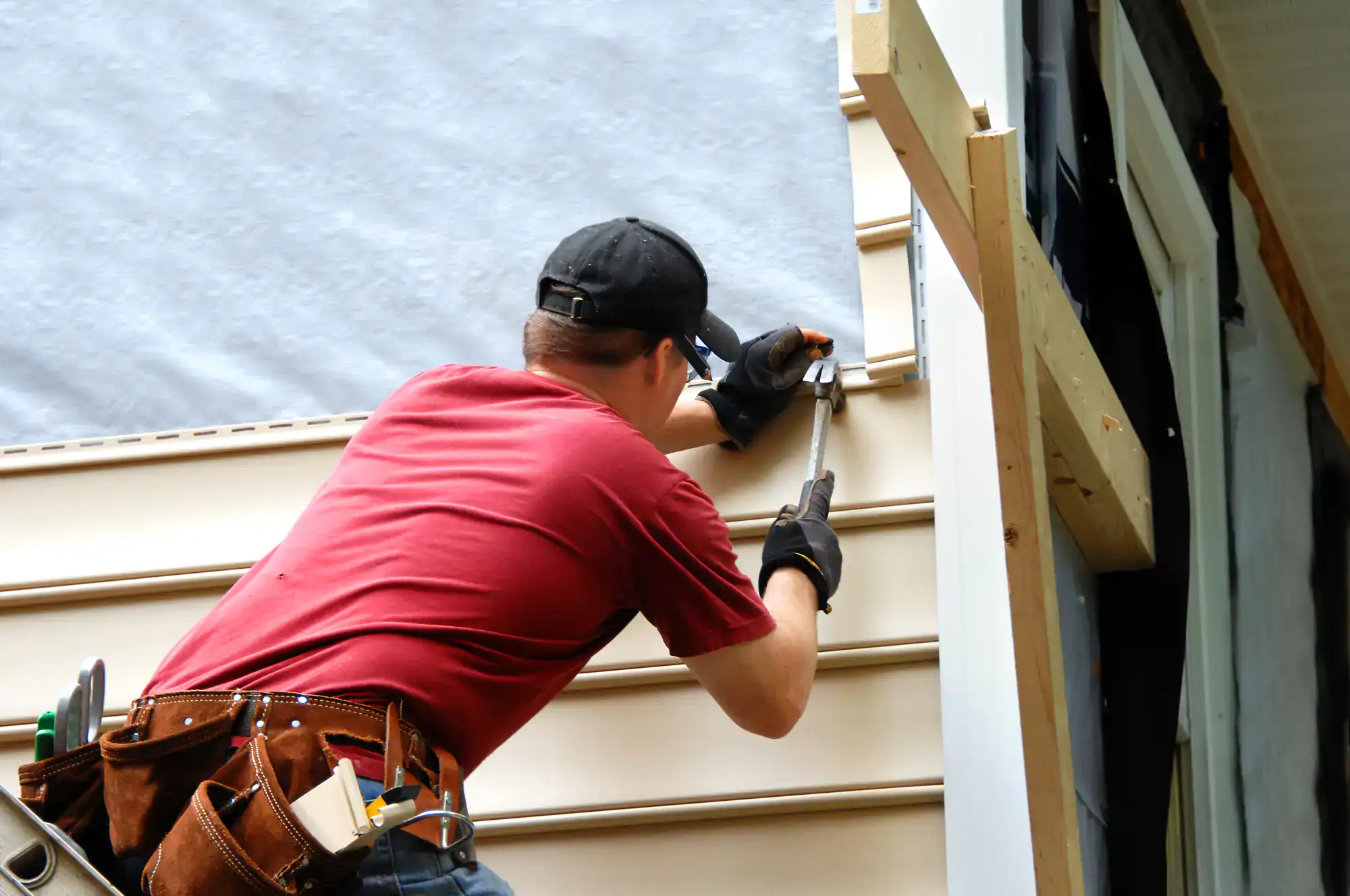
You’re not just getting new siding—you’re getting peace of mind. When Maryland throws everything from hurricane-force winds to 30-degree temperature swings at your home, your siding needs to handle it all.
Most homeowners don’t realize their current siding was installed wrong until it’s too late. Even professional home inspectors miss the warning signs that lead to water damage, energy loss, and costly repairs down the road.
With proper installation, you’ll see lower energy bills, reduced maintenance headaches, and protection that actually works when the next storm hits the Eastern Shore.
We’ve been protecting homes across Maryland’s Eastern Shore for over three decades. As a GAF Master Elite contractor—ranking us in the top 2% nationwide—we understand what it takes to install siding that lasts.
This isn’t just about slapping up panels and calling it done. We’re family-owned, which means we live here too. When Hurricane Isabel flooded the Eastern Shore or when those February heat waves hit followed by March freezes, our work has to hold up.
We’ve seen what happens when siding fails, and we’ve perfected the techniques that prevent those failures from happening to your home.
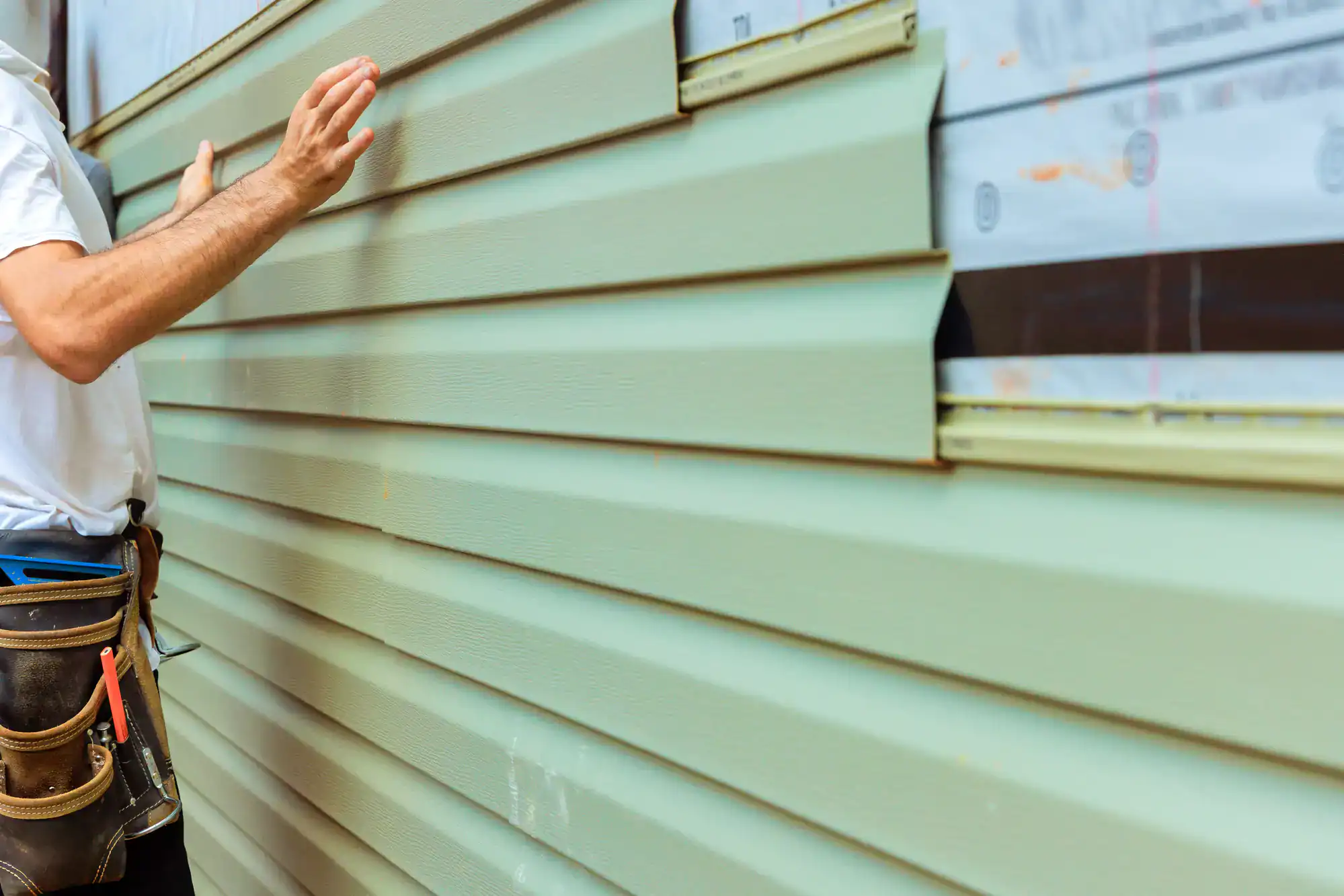
First, we assess your home’s current condition and explain exactly what we find—including problems previous contractors might have missed. You’ll understand what needs fixing and why before we start any work.
Next, we handle the details that matter: proper moisture barriers, correct fastening techniques, and ventilation that prevents the humidity problems common in our climate. Each step follows manufacturer specifications and building codes specific to Maryland’s weather challenges.
Finally, we clean up completely and walk you through the warranty coverage. You’ll know exactly what’s protected and for how long, with the backing of both our craftsmanship guarantee and manufacturer warranties.
Ready to get started?
We install vinyl, wood, and fiber cement siding—each chosen for specific advantages in Maryland’s climate. Vinyl offers low maintenance and weather resistance with UV protection that keeps colors from fading. Wood provides natural beauty with proper treatment for moisture protection. Fiber cement delivers the durability to withstand salt air, temperature extremes, and storm impacts.
Your choice depends on your priorities: maintenance level, appearance preferences, and budget. We’ll explain the real-world performance of each option in Forestville’s specific conditions, including how they handle the humidity from the Chesapeake Bay and the temperature swings that can crack or warp inferior materials.
Each material comes with manufacturer warranties, and our GAF Master Elite status means enhanced coverage on qualifying products. You’re not just buying siding—you’re investing in protection that’s engineered for Maryland’s unique weather challenges.
Most residential siding installations take 3-7 days, depending on your home’s size and complexity. Weather can affect timing—we won’t install during high winds or heavy rain that could compromise the work quality.
We’ll give you a realistic timeline upfront and keep you updated if conditions change. The goal is getting it done right, not just getting it done fast.
Maryland’s weather can be unpredictable, especially during storm season, so we build some flexibility into our schedules to ensure quality isn’t sacrificed for speed.
It depends on your specific situation, but we typically recommend vinyl or fiber cement for most Eastern Shore homes. Vinyl handles temperature swings well and requires minimal maintenance—important when you’re dealing with humidity from the Bay and salt air near the coast.
Fiber cement offers superior durability against storm impacts and extreme weather, plus it holds paint longer than wood in our climate. Wood can work beautifully but requires more maintenance to handle moisture and temperature changes.
We’ll assess your home’s exposure to wind, moisture, and sun to recommend the best material for your specific location and maintenance preferences.
Yes, we work directly with insurance companies and have extensive experience with storm damage claims. We’ll document the damage properly, provide detailed estimates that insurance adjusters understand, and communicate directly with your insurance company throughout the process.
Many homeowners don’t realize their siding damage qualifies for coverage, especially after events like hail storms or high winds that can cause impact damage or loosen panels. We know what insurance companies look for and how to present claims effectively.
Our goal is making the process as smooth as possible so you can get your home protected without the hassle of back-and-forth with insurance adjusters.
Warning signs include visible gaps between panels, loose or missing pieces after storms, water stains inside your home, or dramatically higher energy bills. Many installation problems aren’t obvious until they cause bigger issues.
We offer free assessments where we’ll check for proper fastening, adequate ventilation, correct overlap, and moisture barrier installation. Even professional home inspectors sometimes miss siding problems that can lead to expensive repairs later.
If we find issues, we’ll explain exactly what’s wrong and what it could cost you if left unfixed. Sometimes minor repairs can prevent major problems—other times, replacement is the smarter long-term investment.
Our workmanship is guaranteed, and as a GAF Master Elite contractor, we can offer enhanced manufacturer warranties that standard contractors can’t provide. Material warranties vary by product but typically range from 25-50 years for quality siding products.
The enhanced warranties cover both materials and installation, giving you protection if anything goes wrong. We’ll explain exactly what’s covered before you sign anything—no fine print surprises.
Most importantly, we stand behind our work. If there’s ever an issue with our installation, we’ll make it right. That’s been our approach for over 30 years serving the Eastern Shore.
Costs vary based on your home’s size, the material you choose, and any repairs needed to the underlying structure. We provide detailed, transparent estimates so you know exactly what you’re paying for and why.
Vinyl siding is typically the most budget-friendly option, while fiber cement costs more upfront but can offer better long-term value in our climate. We’ll break down the costs and help you understand the long-term value of each option.
Many homeowners are surprised to learn that proper installation can actually save money over time through lower energy bills and reduced maintenance needs. We’ll show you the real numbers so you can make an informed decision.
Other Services we provide in Forestville