Summary:
Why Vinyl Windows Excel in Maryland's Humid Climate
Maryland’s Eastern Shore climate is classified as humid subtropical, which sounds pleasant until you experience summer temperatures that can hit 107°F with humidity levels that make it feel even hotter. This isn’t just uncomfortable—it’s expensive when your windows can’t handle the heat load.
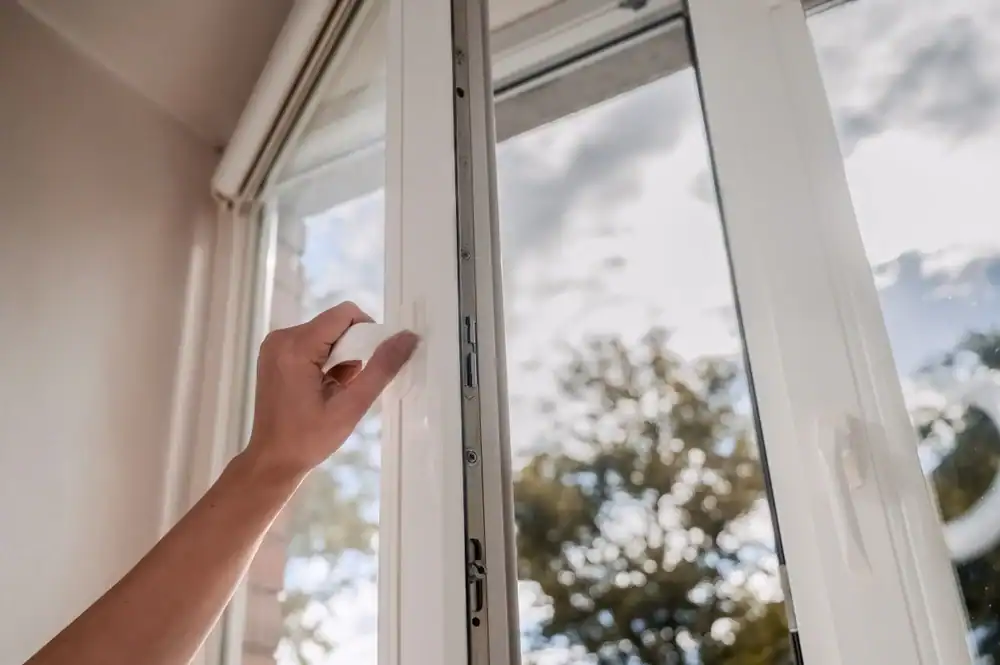
Vinyl windows solve this problem through their fundamental material properties. Unlike wood that warps and expands in humidity, or aluminum that conducts heat like a radiator, vinyl maintains its structural integrity regardless of Maryland’s weather mood swings. The PVC construction naturally resists moisture infiltration, which means no rot, no mold growth, and no structural failure even during our most brutal summer months.
What really sets vinyl apart is the insulating space built into the frame design. This thermal barrier prevents heat transfer between your home’s interior and the scorching Maryland summer air outside, keeping your air conditioning from working overtime just to maintain comfort.
How Vinyl Handles Maryland's Temperature Extremes
Here’s the reality about Maryland weather: we swing from winter lows in the 30s to summer highs over 100°F, often with dramatic day-to-night temperature variations that stress inferior window materials. Many homeowners discover this the hard way when their windows start failing after just a few Maryland summers.
Vinyl windows are engineered specifically for these temperature extremes. The material doesn’t expand and contract dramatically like other options, which means your seals stay tight, your frames stay square, and your energy efficiency stays consistent year after year. This stability is crucial in Maryland, where a poorly performing window can add hundreds to your annual cooling costs.
The key is in the vinyl formulation itself. Quality vinyl windows use UV-stabilized compounds that resist the degradation you see with cheaper materials. In Maryland’s intense summer sun, this means your windows maintain their color, their structural integrity, and their energy performance without the constant maintenance that wood requires or the heat conduction problems you get with aluminum.
But here’s what really matters for Maryland homeowners: vinyl windows with proper Low-E coatings can reduce heat transfer by up to 24%. In practical terms, that means your air conditioning doesn’t have to fight against windows that are essentially heat magnets. Instead, you get a thermal barrier that keeps Maryland’s brutal summer heat where it belongs—outside.
The moisture resistance is equally important. Maryland’s humidity levels can create condensation problems that lead to mold, mildew, and structural damage with the wrong window materials. Vinyl’s non-porous surface doesn’t absorb moisture, which eliminates these problems before they start. This isn’t just about comfort—it’s about protecting your home’s long-term value and your family’s health.
Energy Efficiency Features That Actually Work in Maryland
Energy efficiency isn’t just a buzzword when you’re paying Maryland summer electric bills. The right window specifications can literally cut your cooling costs in half, but only if you understand which features actually matter in our specific climate.
Double-pane insulating glass is your starting point, but not all double-pane windows are created equal. For Maryland’s climate, you need argon gas fill between the panes, which provides superior insulation compared to regular air. This gas fill reduces heat transfer and helps maintain consistent indoor temperatures even when it’s blazing hot outside.
Low-E coatings are non-negotiable for Maryland windows. These microscopic metallic coatings reflect infrared heat while allowing visible light to pass through. In summer, this means heat stays outside where it belongs. In winter, it means your heating costs stay reasonable. The result is year-round energy savings that add up to real money in your pocket.
But here’s what most contractors won’t tell you: the Solar Heat Gain Coefficient (SHGC) matters just as much as the U-factor in Maryland. You want an SHGC of 0.25 or lower to minimize unwanted heat gain during our brutal summers. This specification alone can make the difference between comfortable indoor temperatures and constantly running air conditioning.
The frame design matters too. Quality vinyl windows feature multiple chambers within the frame that create additional insulation barriers. These aren’t just marketing features—they’re engineered solutions that address Maryland’s specific climate challenges. When outside temperatures soar and humidity levels peak, these design elements work together to maintain your indoor comfort without breaking your budget.
Smart homeowners also look for ENERGY STAR certification, which ensures your windows meet strict performance criteria for our climate zone. This certification isn’t just about environmental responsibility—it often qualifies you for utility rebates and tax credits that can offset your window investment.
Choosing the Right Vinyl Window Specifications for Maryland
Not all vinyl windows are designed for Maryland’s challenging climate. The specifications that work in milder regions can fail spectacularly when faced with our combination of extreme heat, high humidity, and dramatic temperature swings.
Your U-factor should be 0.30 or lower for optimal energy performance in Maryland. This measures how well your windows resist heat flow—the lower the number, the better your insulation. In practical terms, this specification can mean the difference between reasonable energy bills and constant sticker shock when your electric bill arrives.
The Solar Heat Gain Coefficient (SHGC) needs to be 0.25 or lower to handle Maryland summers effectively. This measures how much solar heat passes through your windows. Get this wrong, and your windows become heat collectors that force your air conditioning to work overtime even on moderately warm days.
Glass Package Options That Make Sense for Maryland
The glass package you choose can make or break your vinyl windows’ performance in Maryland’s climate. Standard clear glass simply can’t handle the heat load we experience during peak summer months, which is why upgraded glass options aren’t luxuries—they’re necessities.
Low-E glass with argon gas fill represents the minimum standard for Maryland installations. The Low-E coating reflects infrared heat while maintaining visible light transmission, and the argon gas provides superior insulation compared to air-filled units. This combination can reduce heat transfer by up to 24%, which translates directly into lower cooling costs and improved comfort.
For homeowners serious about energy efficiency, spectrally selective Low-E glass offers even better performance. This advanced coating blocks the entire solar spectrum except visible light, providing up to 70% reduction in solar heat gain compared to standard insulated glass. In Maryland’s intense summer sun, this technology can dramatically reduce your cooling costs while maintaining natural lighting.
Triple-pane glass deserves consideration for Maryland’s extreme climate conditions. While the upfront cost is higher, triple-pane units provide superior insulation and condensation resistance that can pay dividends during both our humid summers and surprisingly cold winter snaps. The additional pane creates another insulation barrier that helps maintain consistent indoor temperatures regardless of outdoor conditions.
Don’t overlook UV protection in your glass selection. Maryland’s intense summer sun can fade furniture, flooring, and window treatments surprisingly quickly. Quality Low-E coatings block up to 99% of harmful UV rays while maintaining your view and natural lighting. This protection preserves your interior investments while contributing to your overall comfort and energy efficiency.
Frame Colors and Styles That Perform in Maryland Heat
Color choice isn’t just about aesthetics when you’re selecting vinyl windows for Maryland’s climate. Dark colors absorb more heat, which can affect both the window’s performance and longevity under our intense summer sun. Light colors reflect heat and maintain their appearance better over time.
White and light-colored vinyl frames offer the best heat reflection and longest-term appearance retention in Maryland’s UV-intense environment. These colors don’t absorb as much solar heat, which helps maintain the frame’s structural integrity and energy performance over decades of Maryland summers.
If you prefer darker colors for aesthetic reasons, look for vinyl windows with advanced UV stabilizers and heat-reflecting properties. Quality manufacturers now offer dark colors that resist fading and thermal stress, but these require premium vinyl formulations that not all brands provide.
The frame design itself matters for heat management. Multi-chambered frames create additional insulation barriers that help maintain consistent performance regardless of color choice. These chambers also provide structural strength that resists warping and expansion during Maryland’s temperature extremes.
Consider the architectural style of your home when selecting frame styles. Traditional Maryland homes often feature double-hung or single-hung windows that complement colonial and craftsman aesthetics. Casement windows provide excellent ventilation for capturing cooling breezes during milder weather, while their tight seals excel during peak air conditioning season.
Modern homes can take advantage of larger window styles like sliding or picture windows that maximize natural light while maintaining energy efficiency. The key is ensuring whatever style you choose includes the thermal performance features necessary for Maryland’s challenging climate conditions.
Making the Right Investment for Maryland's Climate
Choosing vinyl windows for Maryland’s demanding climate isn’t just about immediate comfort—it’s about long-term value and performance that protects your investment for decades. The right windows will handle everything from humid summers that hit 107°F to winter temperature swings without compromising your energy efficiency or indoor comfort.
Quality vinyl windows with proper specifications can reduce your cooling costs by up to 24% while providing the moisture resistance and durability that Maryland’s climate demands. When you factor in available tax credits up to $600 for energy-efficient windows, plus potential utility rebates, the investment becomes even more attractive.
The key is working with contractors who understand Maryland’s specific climate challenges and can recommend the right specifications for your home’s needs. We bring over 30 years of experience and GAF Master Elite certification to ensure your window investment delivers the performance and longevity you deserve.