Summary:
Why Maryland Weather Destroys Most Siding Materials
Maryland sits in a climate sweet spot that’s actually a nightmare for building materials. You get humid summers, snowy winters, and plenty of rain, creating a mix of coastal humidity and inland temperature extremes.
When sunlight constantly beats down on south- or west-facing walls, certain siding materials begin to soften, expand, and eventually distort, especially in Maryland’s high summer temperatures combined with high humidity. Then winter hits with freeze-thaw cycles that crack and split whatever summer heat didn’t already damage.
In Maryland, we experience a wide variety of weather events that can cause damage to your home’s siding or roof, including rain, wind, hail, and snow on a regular basis. This constant assault means you need siding that’s specifically engineered for these conditions, not just something that looks good in the showroom.
How Heat and Humidity Warp Vinyl Siding
Most siding materials are engineered to withstand certain temperature thresholds, but when temperatures rise above 165°F—which can happen on sunny days, especially near windows where reflected sunlight amplifies the heat—vinyl siding may begin to soften and warp.
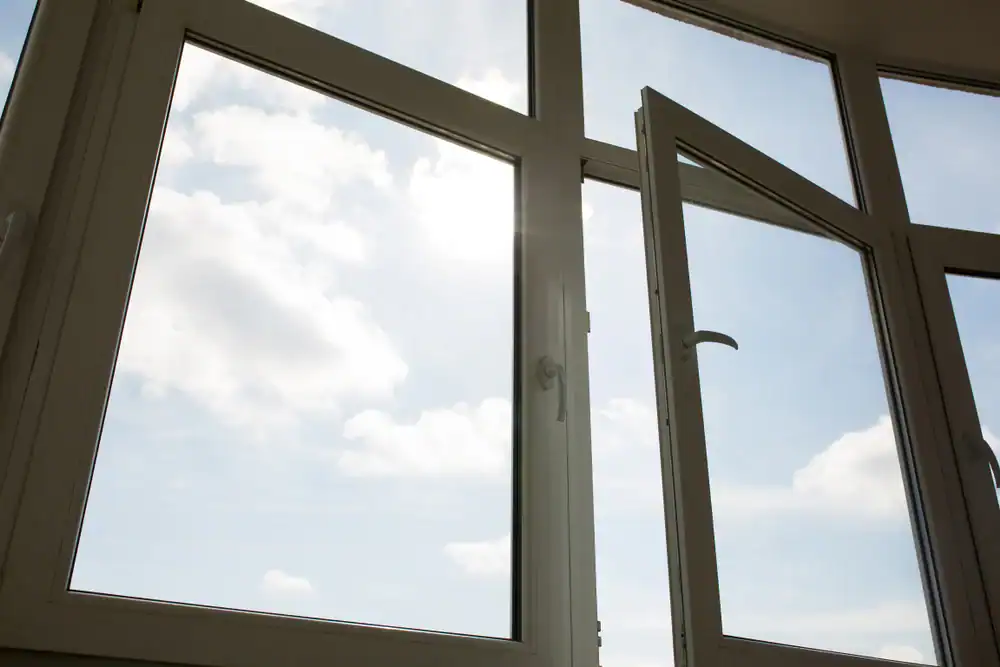
Here’s what makes Maryland particularly brutal: Homes with energy-efficient windows, while great for reducing utility costs, can sometimes unintentionally reflect and concentrate sunlight onto neighboring siding, creating hot spots. You’ll see this most often on south and west-facing walls during those scorching July and August afternoons.
The humidity makes everything worse. Direct sunlight during summer months can cause vinyl siding to warp or buckle, especially if it cannot expand due to improper installation, while cold weather can make vinyl brittle and more susceptible to breakage. Poor installation practices compound these problems, leaving you with wavy, buckled panels that scream “cheap work” to anyone driving by.
Quality vinyl siding designed for Maryland’s climate includes features like enhanced UV protection and proper expansion allowances. The ideal temperature range for installation is between 50 and 75 degrees Fahrenheit to maintain the material’s flexibility, and high temperatures require installation during cooler parts of the day. This isn’t just installation advice—it’s a clue about which products can actually handle our weather.
Winter Weather Challenges for Maryland Siding
Maryland winters aren’t just cold—they’re unpredictable. Cold weather can have a significant impact on various siding materials, with vinyl siding becoming more brittle and prone to cracking in cold temperatures, while wood siding may contract and expand with temperature fluctuations, potentially leading to warping or splitting.
When snow and ice start to thaw and then re-freeze, this can cause ice-damming, with damage usually involving water leaking from entry points near the edge of the roof where gutters are installed. This creates a cascade effect where water finds its way behind siding that wasn’t properly sealed or installed.
The real problem comes with the freeze-thaw cycles. Temperature changes cause all building materials to expand and contract, and as temperature rises, materials expand in length, while as temperature drops, materials contract, with vinyl tending to have a higher rate of expansion than materials like wood.
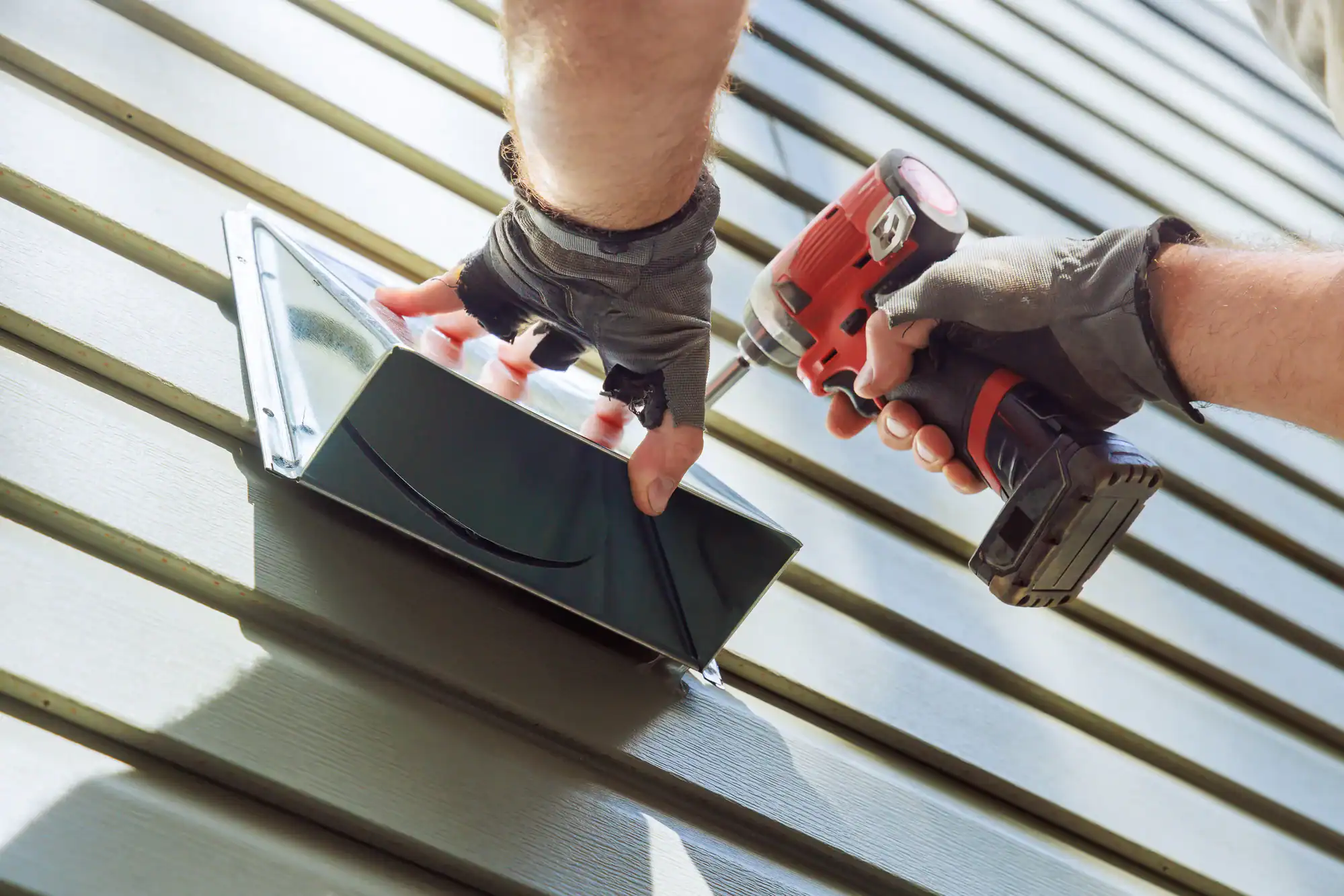
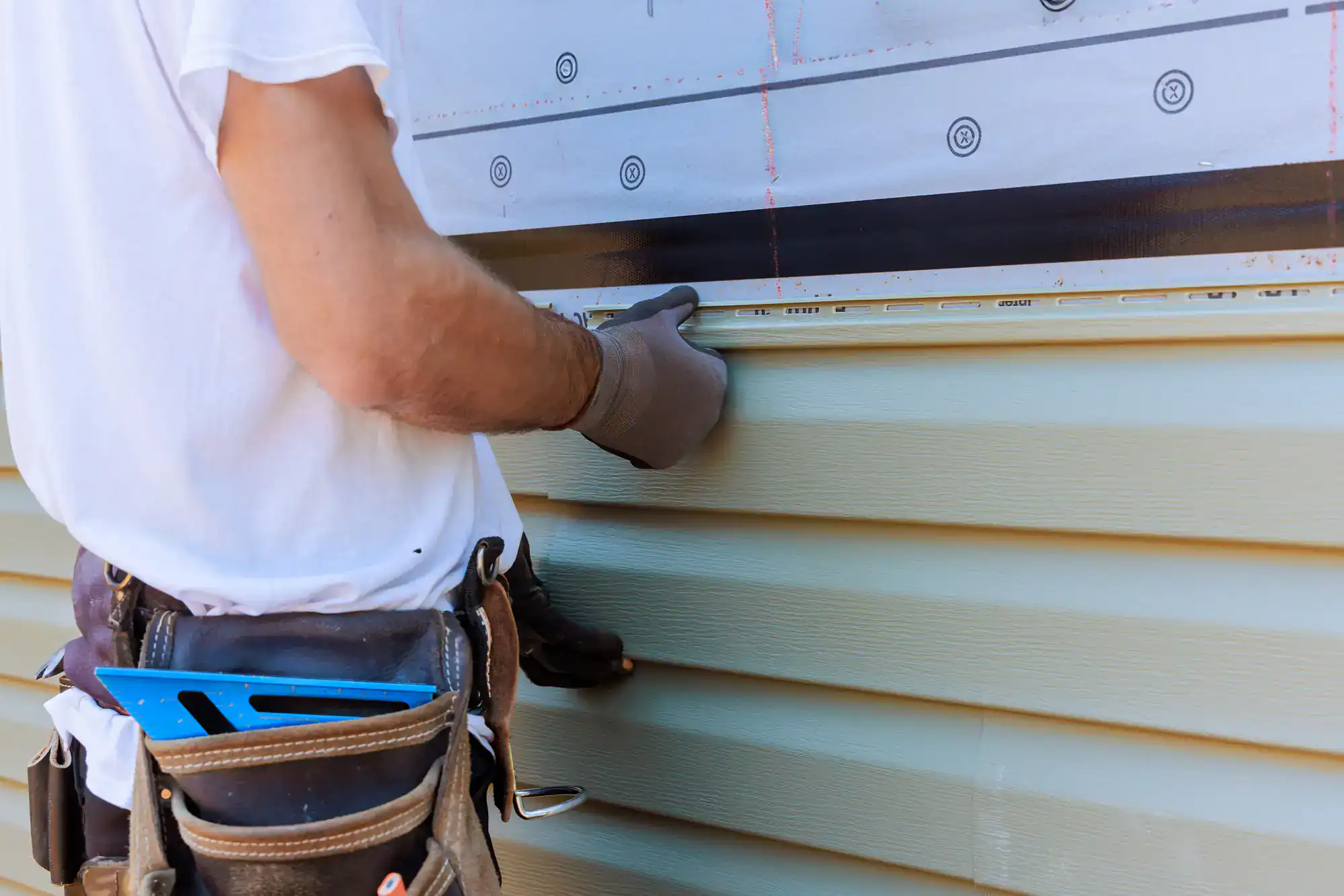
Quality vinyl siding systems account for this movement. Cold weather can cause materials to contract, so proper installation requires leaving expansion gaps to prevent buckling or warping, and working in small sections to minimize the impact of cold weather on the installation process. The key is choosing products and installers who understand these requirements rather than treating Maryland like it has a mild climate.
Best Vinyl Siding Colors for Maryland's Climate
Color choice isn’t just about curb appeal in Maryland—it’s about survival. White reflects heat and light, making it an excellent choice for homes located in hot and sunny climates, which explains why it remains a top choice for Maryland homeowners.
Gray has gained immense popularity in both roofing and vinyl siding, going well with various trim colors and matching different roofing materials, making it a timeless color that ensures your home looks great and stays on trend for years. But there’s more to consider than just aesthetics.
The latest trends show homeowners are getting bolder with color choices while staying practical. The trends for 2024 are all about bold statements and individuality, with brown taking on fresh life with more cinnamon and chocolate undertones, pairing beautifully with cream.
Heat-Resistant Color Options That Actually Work
While all materials eventually fade in the sun, ColorPlus Technology finishes are engineered to outlast vinyl and conventional paint. This matters more in Maryland than you might think, because after sustained UV light exposure, which is typically stronger in hotter climates, the color may fade more on the sunny side of your home, creating a spotty, unharmonious exterior.
Light colors remain the smartest choice for Maryland’s climate. White’s popularity comes from its timeless appeal and versatility, making it perfect for any style or architecture, and it reflects heat and light, making it an excellent choice for homes in hot and sunny climates. But you’re not limited to stark white.
Linen, an elegant alternative to white, offers discreet distinction and is never dated and always classic, making it a durable and elegant choice with subtle grey undertones that pair perfectly with white trims. This gives you the heat-reflection benefits of light colors without the maintenance concerns of pure white.
For homeowners who want more personality, beige is a classic color that has been popular for decades and is still going strong as one of the best vinyl siding colors, being a great choice that can be a go-to if you already have a dark colored roof, pairing with white trim for a classic clean look. The key is choosing colors with advanced UV protection built into the material itself.
Popular Color Trends That Handle Maryland Weather
This year’s color trends reflect the current push towards deep, bold colors, with certain colors predicted to be the most sought after in 2024. But bold doesn’t mean impractical for Maryland homeowners who understand their climate.
Manor, a captivating blend of charcoal greys and intense blacks, continues to reign supreme, being synonymous with sophistication and giving your home the look of a masterpiece. The technology now exists to make these darker colors viable even in Maryland’s intense summer heat.
For those afraid of dark colors fading, there’s nothing to worry about with SpectraShield technology introduced to enhance overall product performance, with unique properties and heat resistance capabilities ideal for new dark color trends. This represents a real breakthrough for Maryland homeowners who want dramatic colors without the traditional problems.
Earth tones continue to gain popularity because they work so well with Maryland’s natural landscape. Earth tones, such as green and brown, are gaining in popularity this season, and they make practical sense for homes surrounded by the trees and natural beauty of Maryland’s Eastern Shore. Deep blues, greens, and reds can make a strong impression, adding personality and charm, while earth tones like browns, greens, and muted reds blend seamlessly with natural surroundings, creating a sense of harmony and tranquility.
Choosing the Right Vinyl Siding for Maryland Homes
Vinyl siding is built for Maryland’s tough weather, and it delivers durability that’s more affordable than brick or fiber cement. Vinyl siding lasts 20 to 40 years with little maintenance and holds up well against Maryland’s rain, snow, and humidity.
The short answer is that vinyl siding is an excellent choice for Maryland homeowners, but not all vinyl siding is created equal. In Maryland’s climate, vinyl siding holds up well, although it’s essential to consider the thickness of the siding, as thin vinyl siding can crack or warp over time in hot or cold temperatures, making it vital to choose high-quality vinyl siding that can withstand Maryland’s weather extremes.
When you choose us at Bay Area Exteriors for your vinyl siding project, you’re working with Maryland’s Eastern Shore specialists who understand exactly what your home faces. The difference between a siding job that lasts decades and one that fails in a few years often comes down to proper material selection, expert installation, and understanding Maryland’s unique climate demands.