Summary:
What hail damage actually looks like on your roof
Most people picture hail damage as holes punched through shingles or massive chunks missing from the roof. That’s not how it usually works. Hail hits your roof with enough force to compress the protective granules and bruise the asphalt underneath, but it doesn’t always break through.
From your driveway, everything looks normal. Walk up close and you might notice some dark spots or areas where the shingles look slightly different. Press your hand against those spots and they feel soft, almost spongy, like pressing on a bruised apple. That’s shingle bruising, and it’s one of the most common types of hail damage roof repair we see in Prince George’s County, MD.
The real problem starts when those bruised areas lose their ability to shed water. Rain seeps into the damaged spots, works its way under the shingles, and eventually finds a path into your attic. By the time you see a water stain on your ceiling, the leak has been happening for weeks, maybe months.
How shingle bruising leads to roof leaks
Shingles are designed with a layer of protective granules on top. Those granules do more than just give your roof color. They shield the asphalt from UV rays, help water run off properly, and add an extra barrier against impact damage.
When hail strikes your roof, it knocks those granules loose. You’ll often find them collecting in your gutters after a storm, looking like coarse black sand. Once the granules are gone, the asphalt layer underneath is exposed. That’s when the real damage begins.
Without that protective layer, the sun starts breaking down the asphalt. The shingle becomes brittle. Cracks form. Water gets in. What started as a small bruise turns into a leak that spreads across your roof deck.
Here’s the part that catches people off guard: this process doesn’t happen overnight. It can take weeks or even months for a bruised shingle to fail completely. That’s why so many homeowners in Bowie, MD, Upper Marlboro, and surrounding areas don’t connect the dots between a spring hailstorm and a fall roof leak. The damage was there all along, just waiting for the right conditions to turn into a problem.
The other issue is that shingle bruise repair needs start with detection, and bruising isn’t always visible. You can’t see it from the ground. You can’t always see it standing on the roof. Professional roofers know to feel for soft spots, check for displaced granules, and look at the overall pattern of damage across the roof. That’s why a visual inspection from your ladder isn’t enough after a hail event in PG County.
Signs of hidden hail damage you can spot from the ground
You don’t need to climb onto your roof to know something’s wrong. There are a few things you can check from ground level that give you a pretty good idea whether your roof took a hit.
Start with your gutters. After a hailstorm, check for an unusual amount of granules collecting in the downspouts or sitting at the bottom of the gutter channels. A little granule loss is normal over time, but if you’re seeing piles of dark, sandy material after a storm, that’s a red flag. It means hail knocked the protective coating off your shingles.
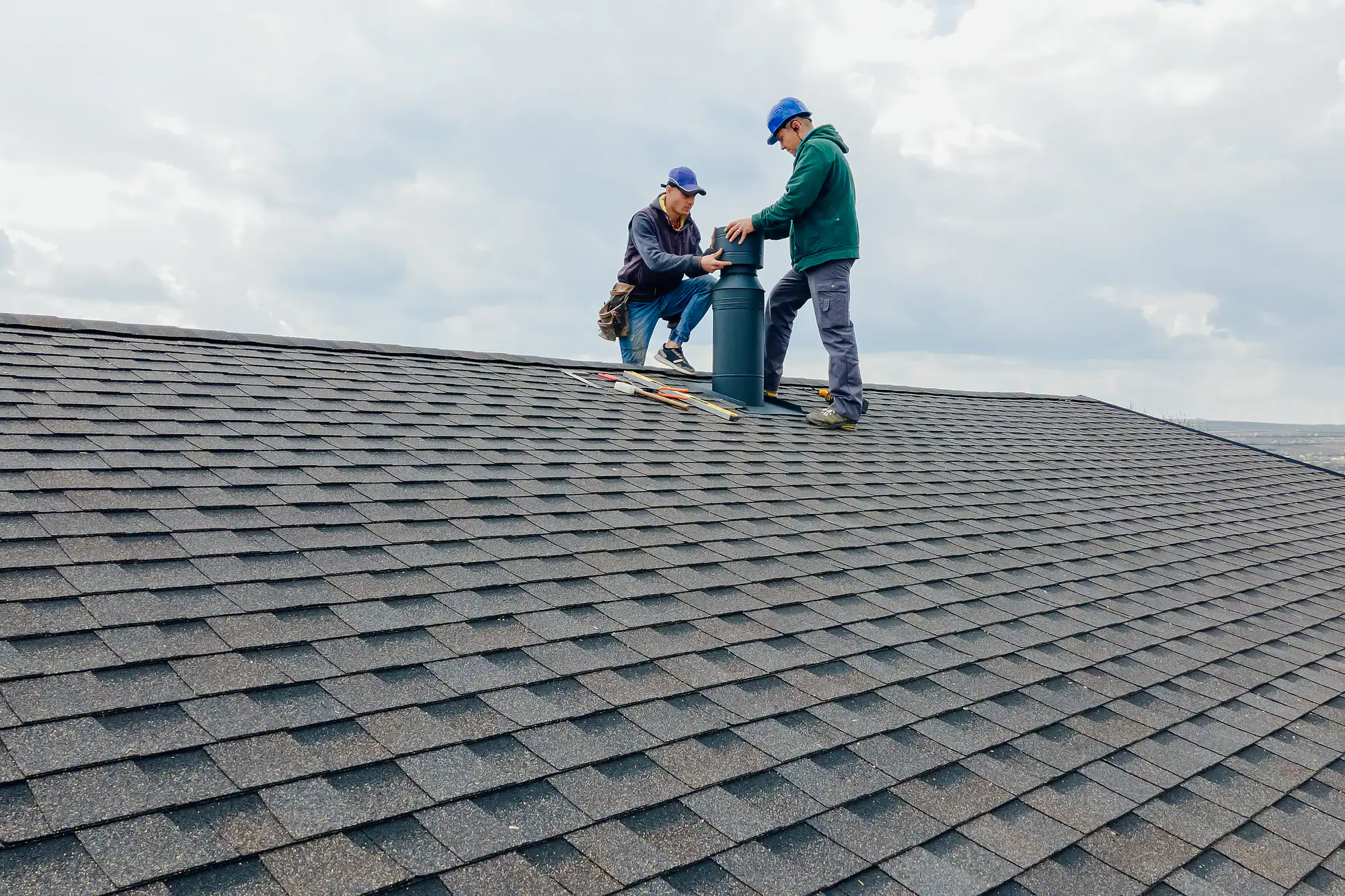
Next, look at your roof vents, flashing, and any metal components. Hail leaves dents on soft metals. If you see dings on your vents or chimney cap, your shingles probably took a beating too. Metal is easier to dent than asphalt, so visible damage on metal parts usually means there’s hidden damage on the shingles.
Walk around your property and check other surfaces. Did hail dent your car? Damage your siding? Leave marks on your deck or patio furniture? If the storm was strong enough to damage those surfaces, it was definitely strong enough to bruise your roof. This is one of the clearest indicators that you need a professional roofing inspection, even if your roof looks fine.
Finally, pay attention to your neighbors. If houses on your street are getting new roofs or having inspections done, there’s a good chance your roof sustained similar damage. Hail doesn’t skip houses. It hits entire neighborhoods at once. Don’t assume you got lucky just because you don’t see obvious problems yet.
Why professional roof inspections matter after storms
A lot of homeowners figure they can handle a roof inspection themselves. Grab a ladder, take a look around, maybe snap a few photos. If nothing looks broken, everything must be fine. That approach misses about 80% of hail damage.
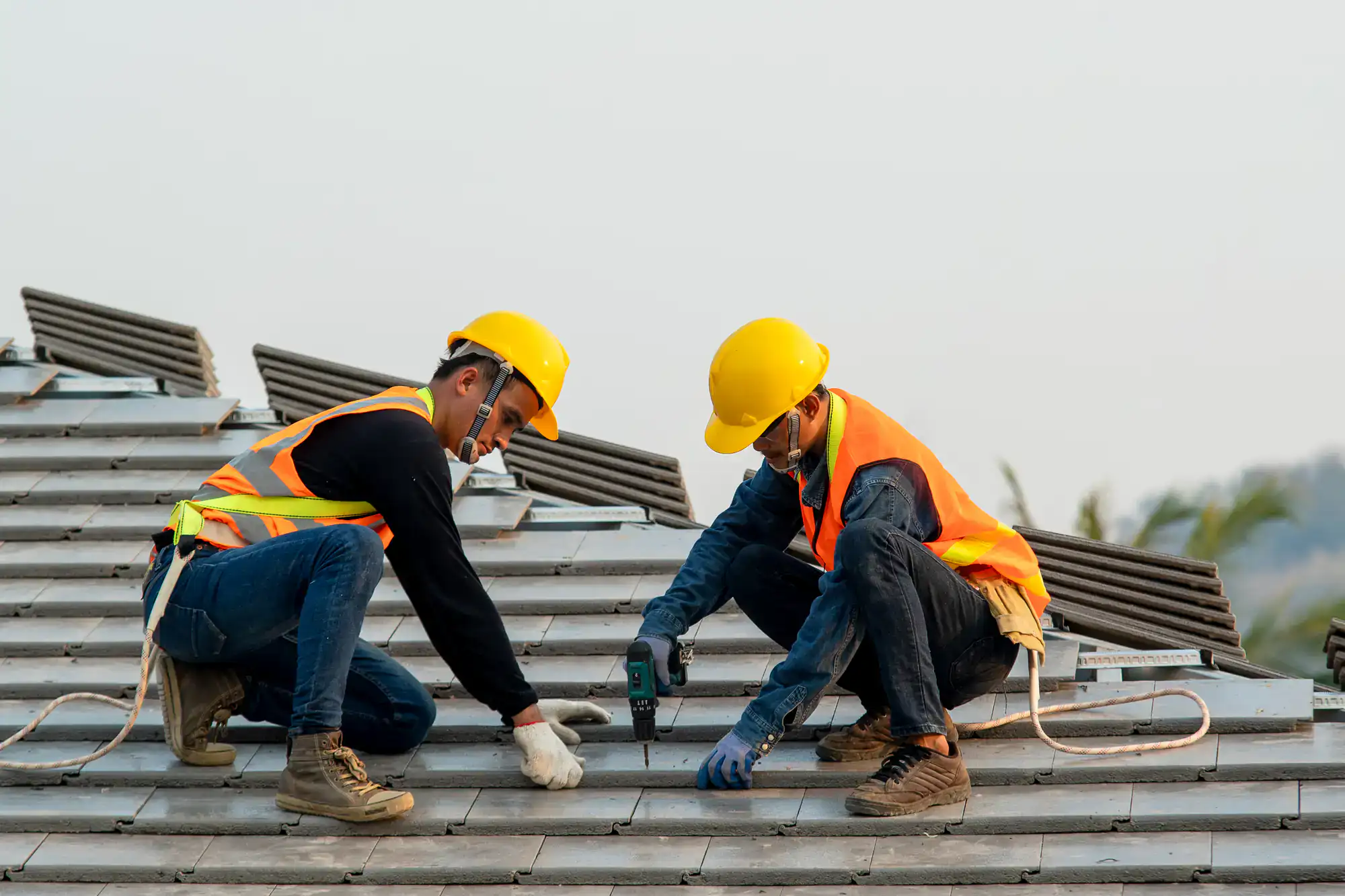
Professional roofers know how to spot the subtle signs that homeowners overlook. We check for soft spots by pressing on the shingles. We look for patterns in the damage that indicate hail size and impact severity. We inspect flashing, valleys, and other vulnerable areas where leaks are most likely to start. Most importantly, we document everything in a way that supports insurance claims if you need to file one.
The other reason professional roofing inspections matter is timing. Most insurance companies have specific windows for filing storm damage claims. If you wait too long to discover the damage, you might be outside that window. A professional inspection within a few days of a hailstorm creates a paper trail that protects your claim.
What happens during a professional roofing inspection in Bowie, MD
When we inspect your roof for hail damage, we’re looking at a lot more than just the shingles. The roofing inspection usually starts with a walk around the property to check gutters, vents, and other exterior components for visible impact marks. That gives us a baseline for how severe the storm was in your specific area.
Once we’re on the roof, we check every section systematically. We look for bruising by pressing on the shingles to feel for soft spots. We examine the granule coverage to see if there are bald patches or areas where the asphalt is exposed. We inspect the flashing around chimneys, skylights, and vents because those are common leak points even without storm damage.
We also check the roof deck from inside your attic if possible. Water stains, damp insulation, or soft spots in the decking are signs that damage has already progressed beyond the shingles. Catching this early can save you from a much bigger roof repair bill down the road.
The inspection report you get should include photos, measurements, and a detailed assessment of the damage. This documentation is critical if you’re filing an insurance claim. Adjusters want to see proof that the damage was caused by a specific storm event, not normal wear and tear. A professional inspection provides that proof.
One thing to keep in mind: not all roofing companies are equally qualified to assess hail damage. Look for contractors with manufacturer certifications like GAF Master Elite status. These certifications mean the company has been trained in proper inspection techniques and knows how to identify damage that less experienced contractors might miss. It also means we can offer stronger warranties on repairs, which protects your investment long-term.
When to schedule a roof inspection in Prince George's County, MD
The best time to schedule a roofing inspection is within 24 to 72 hours after a hailstorm. That window gives you time to assess the situation without waiting so long that additional weather causes more damage or makes it harder to connect the damage to a specific storm.
If you missed that window, don’t panic. It’s still worth getting an inspection even weeks or months after a storm, especially if you’re starting to notice signs of trouble like water stains, increased energy bills, or visible shingle damage. The sooner you address the problem with proper roof repair, the less expensive it will be.
You should also schedule annual inspections regardless of whether you’ve had recent storms. Regular inspections catch small problems before they turn into major leaks. They’re especially important if your roof is more than 10 years old or if you live in an area that gets frequent severe weather.
In Prince George’s County, MD, spring and fall are the most common times for hailstorms and severe weather. Scheduling an inspection after storm season gives you peace of mind heading into the next weather cycle. It also ensures you’re not dealing with hidden damage that could fail during the next heavy rain.
If you’re planning to sell your home, a pre-listing roof inspection is a smart move. Buyers will often request their own inspection, and finding problems beforehand lets you address them on your terms instead of during negotiations. A recent inspection report showing your roof is in good condition can also be a selling point that sets your home apart from others on the market.
Protecting your home before the next storm hits
Hidden roof leaks don’t fix themselves. The longer you wait after a hailstorm, the more damage spreads through your roof system. What starts as a few bruised shingles turns into rotted decking, ruined insulation, and water stains across your ceiling. The roof repair bill climbs with every passing week.
The smart move is simple: get a professional roofing inspection after any significant hail event in Prince George’s County, MD. Look for a certified contractor who knows how to spot shingle bruising, document damage properly, and work with your insurance company to get the repairs covered. Don’t wait for a visible leak to force your hand.
We’ve been helping Maryland Eastern Shore homeowners protect their homes from storm damage for over 30 years. As a GAF Master Elite contractor, we know exactly what to look for after a hailstorm and how to make sure nothing gets missed. If you’re concerned about hidden damage to your roof, reach out to us for a professional inspection before the next rainy season starts.