Summary:
You’re looking at metal roofing options for your Maryland home, and the first question that comes up is always the same: what’s this actually going to cost? You’ve probably seen price ranges online that span from $8,000 to $30,000, which doesn’t help much when you’re trying to set a real budget.
Here’s what matters: metal roof costs in Maryland depend on factors you can control—like which system you choose—and factors you can’t, like your roof’s size and complexity. The difference between a straightforward estimate and one loaded with surprises comes down to understanding what you’re actually paying for. You’ll also learn how insurance coverage works for storm damage, since many Eastern Shore homeowners don’t realize their policy might cover a significant portion of metal roof replacement after severe weather hits.
Metal Roof Cost Factors and Pricing in Maryland
Metal roofing costs more upfront than asphalt shingles, but that number tells an incomplete story. In Maryland, you’re looking at $9 to $11 per square foot for materials and installation combined. For a typical 2,000 square foot roof, that translates to $18,000 to $22,000 before factoring in your specific situation.
The final price shifts based on several concrete factors. Your roof’s pitch matters—steeper roofs take more time and safety equipment, increasing labor costs by 15% to 30%. The number of existing layers affects pricing too, since Maryland code allows a maximum of two layers, and removing both adds $800 to $1,500 in labor and disposal fees.
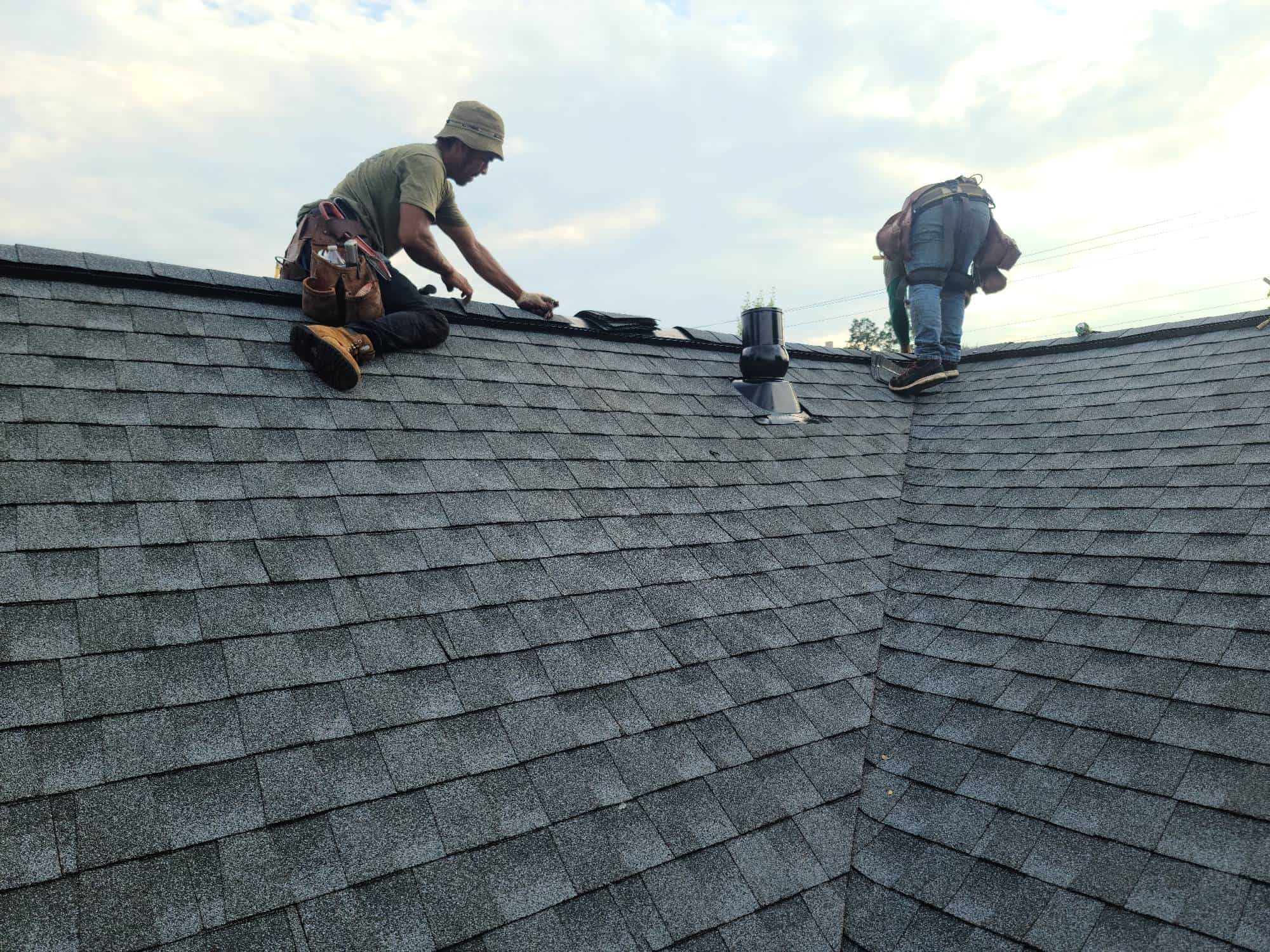
Labor makes up 40% to 60% of your total project cost. That’s not padding—metal roof installation requires specialized skills that prevent the leaks and failures that happen when inexperienced crews rush through jobs. You’re paying for expertise that protects your investment for decades, not just someone who can nail shingles in place.
Metal Roofing Prices by System Type
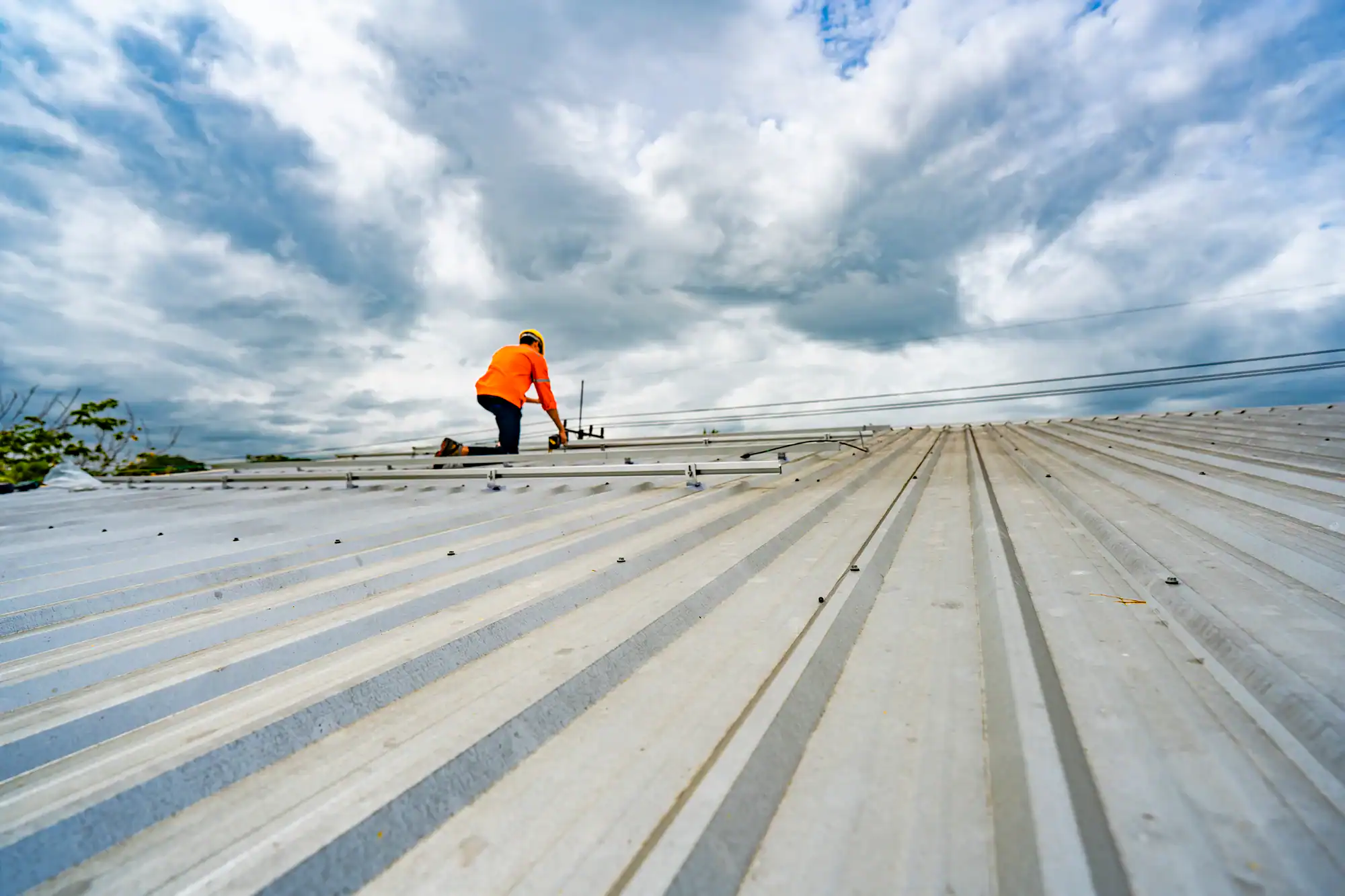
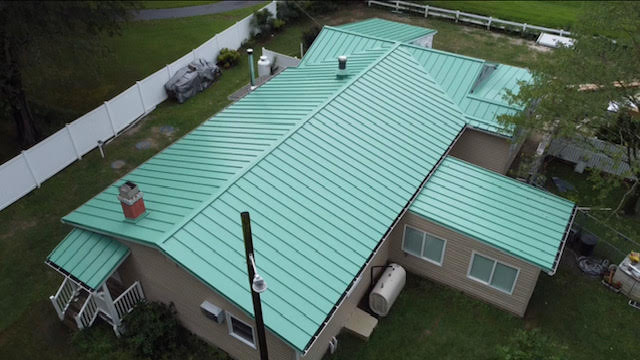
The type of metal roofing system you choose creates the biggest price variation in your estimate. Standing seam panels cost $7 to $30 per square foot depending on material quality and gauge thickness. These panels feature concealed fasteners beneath vertical raised ribs, allowing for thermal expansion and contraction that prevents the fastener failures you see with cheaper systems.
Corrugated metal roofing runs $3.50 to $15 per square foot installed. The wave-like appearance makes installation simpler, and exposed fasteners cost about half what concealed fastener systems run. But exposed fasteners also create potential leak points over time, especially in Maryland’s humid coastal environment where salt air accelerates corrosion.
Metal shingles fall somewhere in the middle at $7 to $22 per square foot. They mimic traditional shingle appearance while delivering metal’s durability and longevity. If your homeowners association restricts certain roofing styles, metal shingles often satisfy aesthetic requirements while giving you the performance benefits you’re after.
Material choice within each system type affects pricing significantly. Steel roofing—the most common option—costs $5 to $12 per square foot for materials alone. Aluminum runs $6 to $14 per square foot and resists rust better near coastal areas like Talbot County. Copper sits at the premium end, ranging from $15 to $30 per square foot, but it lasts over 100 years with proper installation.
The gauge or thickness of metal panels impacts both cost and performance. Thicker 24-gauge steel costs more than standard 29-gauge, but it handles Maryland’s coastal winds and hail better. When nor’easters push through the Eastern Shore with sustained winds testing every weak point in your roofing system, that extra thickness prevents the failures that lead to emergency repairs.
Paint systems add another cost layer. SMP finishes cost less but fade faster than PVDF coatings. PVDF stays bright and vibrant longer, resisting the UV damage that Maryland’s summer sun delivers. The price difference might seem significant now, but faded roofing affects your home’s appearance and resale value years before the metal itself fails.
What's Included in Your Metal Roof Estimate
A complete metal roofing estimate should break down every cost component so you know exactly what you’re paying for. Materials include the panels themselves plus underlayment, fasteners, flashing, trim, and ventilation components. Quality underlayment costs up to 20% more than basic felt, but it provides the moisture barrier that prevents rot in Maryland’s humid climate where the Baltimore-Annapolis metro averages 65% to 70% relative humidity through summer months.
Labor covers removal of your existing roof, installation of new underlayment and panels, flashing around chimneys and vents, and cleanup. Removal costs vary based on how many layers exist and disposal fees in your county. Some contractors bury this in a single line item, which makes comparing estimates difficult when you’re trying to understand where your money actually goes.
Permits add $100 to $350 depending on your Maryland county. In Talbot County, full roof replacements require permits, and skipping this step creates problems when you sell your home or file insurance claims later. We pull permits automatically and include the cost in our estimates.
Additional factors that affect your final number include roof complexity, accessibility, and special requirements. Multiple roof levels, valleys, dormers, and skylights increase installation time and material waste. If your home sits in a location where trucks can’t park close to the work area, material handling takes longer and costs more.
Old roof disposal isn’t free. Depending on your roof’s size and the number of existing layers, disposal runs $1,000 to $5,000. Some contractors offer lower estimates by excluding this cost, then hitting you with the bill later. Ask specifically what disposal includes and whether the estimate covers hauling everything away or just stacking it in your driveway.
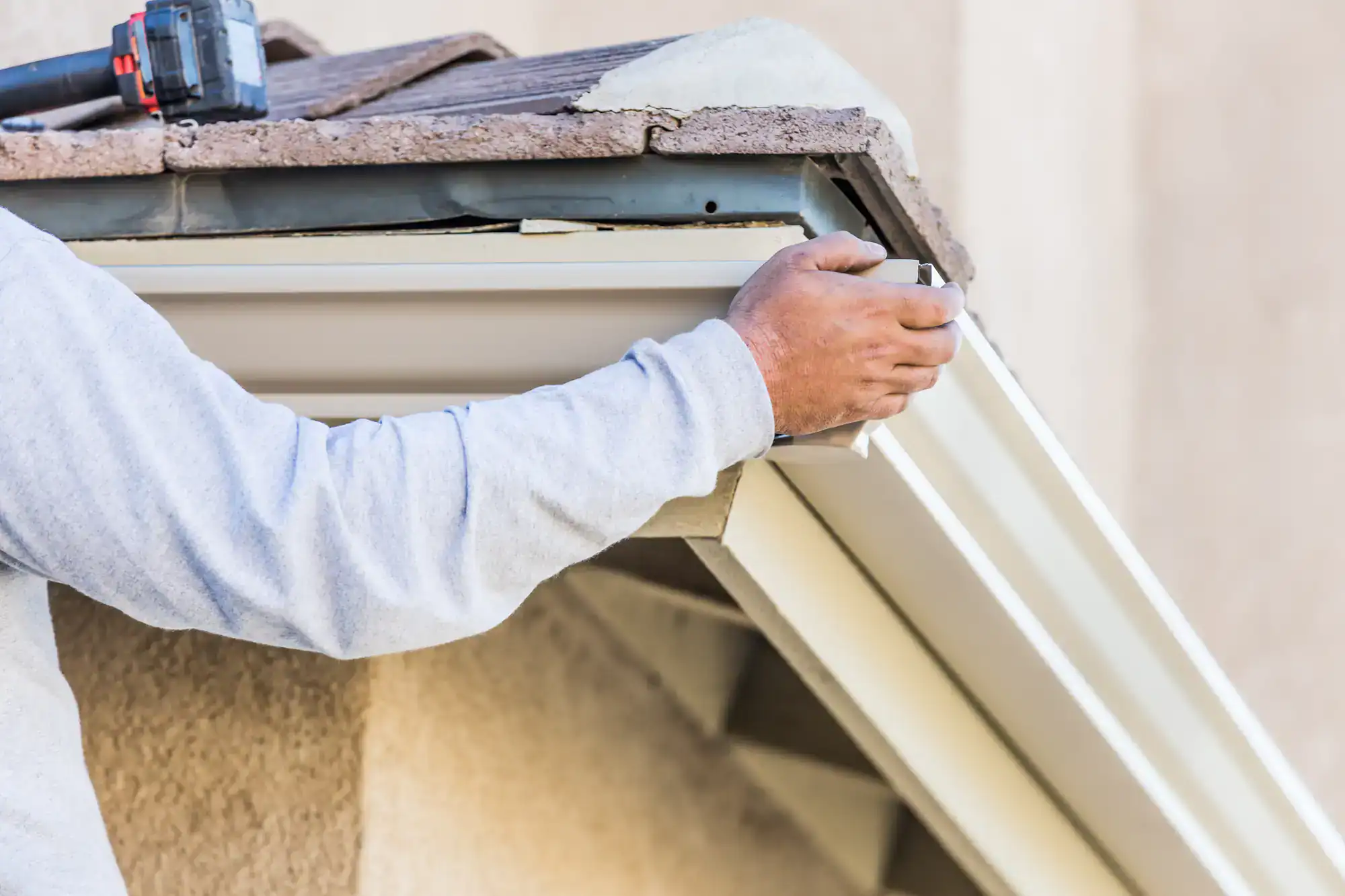
Edge flashing and drip edge protect your fascia from water damage. New drip edge on every job isn’t optional—reusing old drip edge is a cost-cutting shortcut that leads to fascia rot. We replace these components automatically because we’ve seen what happens when water gets behind your roofing system.
Warranty coverage should appear in your estimate. Enhanced warranties through GAF Master Elite contractors offer coverage that standard installers can’t provide. These aren’t just marketing—they’re backed by manufacturer guarantees that remain valid even if your contractor closes their business years later.
Metal Roof Estimate Process and What to Expect
Getting an accurate metal roof estimate starts with a thorough inspection of your current roof and home structure. We need to assess pitch, measure square footage, check decking condition, and identify any structural issues that need addressing before new roofing goes on.
The inspection should include your attic to evaluate ventilation, insulation, and signs of previous water damage. Proper ventilation prevents thermal shingle failure and premature granule loss, which matters even more with metal roofing where heat reflection changes how your roof interacts with temperature extremes.
We document everything with photos and detailed notes. This documentation serves two purposes—it creates the foundation for an accurate estimate, and it provides evidence for insurance claims if storm damage is part of your roofing decision. Nothing gets overlooked when we systematically assess every component that affects installation and performance.
How Insurance Coverage Affects Metal Roof Costs
If storm damage triggered your need for a new roof, insurance coverage can dramatically reduce your out-of-pocket costs. Maryland’s weather patterns regularly produce hail and wind damage that qualifies for coverage under most homeowner policies. Maryland faces a 92% chance of named storms each year, with 2025 bringing above-average hurricane activity that’s already produced destructive storms with 75+ mph winds across the Eastern Shore.
Most standard homeowners insurance policies cover sudden and accidental damage caused by wind, hail, or storms. If a nor’easter rips off shingles or hail damages your existing roof, your policy typically covers either repairs or complete replacement depending on damage severity. But damage from wear and tear or lack of maintenance usually isn’t covered—insurers call this neglect, leaving you paying out of pocket.
Replacement cost coverage pays the full amount needed for materials and labor to replace your roof with similar quality. Actual cash value coverage accounts for depreciation, paying less for older roofs. The difference between these coverage types can mean paying $1,000 versus $9,000 for the same roof replacement. Check your policy before storm season to know where you stand.
Metal roofs introduce unique insurance considerations. Replacement costs for metal roofing run higher than asphalt shingles, so if your coverage limit doesn’t account for this, you’ll cover the difference yourself. Some insurers offer discounts for metal roofs due to their durability and resistance to damage, which can offset the higher replacement cost over time.
Working with contractors experienced in insurance claims makes a significant difference in your settlement amount. We know how to document damage, what evidence adjusters need, and how to present your case for maximum coverage. Direct insurance company coordination means you’re not navigating this process alone while trying to protect your home from further damage.
The claims process typically involves filing promptly after damage occurs, documenting everything with photos and videos, and scheduling an adjuster visit. Be present during the inspection to point out all damage and ask questions. Get written estimates from licensed contractors—multiple estimates strengthen your case if there’s a dispute over repair costs.
Insurance companies may dispute damage extent or attribute it to pre-existing conditions. If your claim gets denied or undervalued, consider getting a second opinion from an independent roofing expert. We work regularly with insurance adjusters and understand how claims get evaluated and what documentation overcomes common objections.
Long-Term ROI and Value of Metal Roofing Investment
Metal roofing costs more upfront, but the long-term return on investment tells a different story than initial price tags suggest. Metal roofs last 40 to 70 years compared to asphalt shingles that need replacement every 15 to 25 years. Over the lifespan of a metal roof, you avoid two or three shingle replacements, with each replacement costing more due to rising labor rates.
Energy savings add up over decades of ownership. Metal roofs can save homeowners around 40% on energy costs by reflecting solar heat rather than absorbing it. In Maryland’s hot, humid summers, that reflection reduces cooling costs significantly. In winter, unpainted metal can absorb heat from the sun to warm your home, creating year-round efficiency benefits.
Home value increases immediately when you install a new metal roof. In Maryland’s competitive housing market, a new roof can add $12,000 to $15,000 to your home’s value right away. But the real advantage comes from positioning your property above comparable homes that still need roof work—buyers pay premiums to avoid the hassle and uncertainty of major repairs.
Insurance premium discounts recognize metal roofing’s superior durability. Some insurance companies offer policy discounts for properties with metal roofs, acknowledging their resilience against weather damage. These annual savings compound over the decades your metal roof protects your home.
Maintenance costs stay lower with metal roofing compared to shingles. Metal requires less repair work and doesn’t suffer from the cracking, warping, and granule loss that create ongoing shingle maintenance needs. Factor in fewer service calls and repair bills when calculating total cost of ownership.
Homeowners can expect up to a 61% return on investment when they eventually sell their home. That number reflects both the added value and the appeal to buyers who recognize they won’t need roof replacement for decades. In markets where buyers have choices, a quality metal roof becomes a differentiator that justifies higher asking prices.
The financing costs for premium roofing become negligible when spread over extended lifespans. A financed metal roof that lasts 40+ years costs less per year than paying cash for budget materials requiring replacement every 15 to 20 years. Consider total cost of ownership, not just upfront expense, when evaluating whether metal roofing fits your budget.
Making Smart Decisions About Metal Roof Costs in Maryland
Understanding metal roof costs in Maryland means looking beyond initial price tags to see the complete financial picture. You’re investing in 40 to 70 years of protection, energy savings that compound over decades, and home value that increases immediately. The upfront cost reflects quality materials and expert installation that prevent the failures and repairs that plague cheaper alternatives.
Working with experienced contractors who understand Maryland’s coastal weather challenges ensures your investment performs as expected. Our GAF Master Elite certification, insurance claim expertise, and transparent pricing eliminate surprises while maximizing the value you get from every dollar spent.
If you’re ready to get an accurate estimate for your Talbot County, MD home, we combine over 30 years of Eastern Shore experience with the expertise that comes from GAF Master Elite certification. We’ll walk you through every cost component, help you understand insurance coverage options, and deliver the transparent pricing you need to make confident decisions about protecting your home.