Summary:
How Micro-Mesh Gutter Guards Work in Maryland
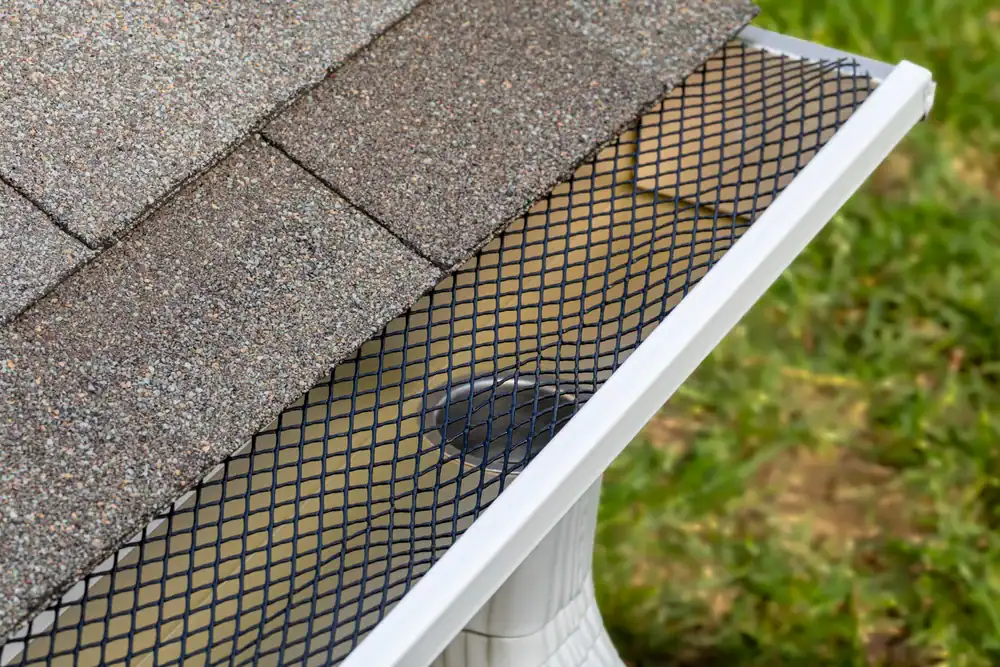
Micro-mesh gutter guards use an ultra-fine stainless steel screen—typically around 50 microns with roughly 8,100 holes per square inch. This creates a barrier that blocks even the smallest debris while allowing water to pass through.
These guards fit directly in the gutter, resting on top of hidden hangers, independent of your shingles. The screen is fine enough to keep all debris—including shingle granules—out of your gutters. For Maryland homeowners dealing with everything from pine needles to maple helicopter seeds, this level of filtration can be appealing.
The micro-mesh design handles Maryland’s heavy rainfall well. These guards handle water very well and will manage considerably more water than solid surface gutter guards. During those spring storms that dump several inches in a few hours, this water-handling capacity becomes crucial.
Micro-Mesh Performance with Maryland Debris
Maryland’s tree coverage creates a unique debris challenge. Homeowners surrounded by oak, maple, or pine trees face higher risk of clogged gutters. Micro-mesh guards excel at blocking this variety of debris, but there’s a catch that many homeowners don’t expect.
Since micro-mesh guards sit relatively flat inside the gutter, they create a “shelf-like” surface where leaves and debris collect on top. If trees overhang your house, this can be a real problem requiring maintenance. The debris doesn’t fall into your gutters anymore, but it doesn’t disappear either.
Independent testing shows that popular micro-mesh systems like LeafFilter collect leaves, seed pods and pine needles on top of the screens. Claims about debris not sitting on the screen surface have proven untrue in real-world conditions. This means you’re still dealing with debris—just in a different location.
The maintenance reality is important to understand. While some micro-mesh screens may hold smaller debris on the screen surface and require occasional clearing off, water can still enter gutters even during heavy downpours. You’re trading gutter cleaning for periodic debris removal from the guard surface.
For Maryland homes with moderate tree coverage where debris “blows over” rather than falls directly onto the roof, micro-mesh guards can work well. However, homes with overhanging branches will find themselves maintaining the guard surface regularly.
Micro-Mesh Installation and Cost Considerations
Micro-screen gutter guards like LeafFilter and MasterShield typically require installation by an authorized dealer, which affects both cost and scheduling. Professional installation ensures proper fit and performance, but it also means you’re locked into specific contractor networks.
Professional gutter guard installation averages $12 per linear foot, with typical 200 linear-foot systems costing $2,334 or more. High-end micro-mesh screens can cost $3,476 or more for larger homes. For many Maryland homeowners, this represents a significant upfront investment.
The installation process typically doesn’t interfere with your roof warranty. Quality micro-mesh guards mount directly to the tops of gutters without tampering with shingles. This is particularly important for newer homes where you want to maintain manufacturer warranties.
However, the cost equation isn’t just about upfront installation. Professional gutter cleaning costs $80 per session with maintenance costs of $200-250 yearly, making gutter guards potentially cost-effective over time. The key question becomes whether micro-mesh guards truly eliminate this ongoing expense or simply reduce it.
Quality micro-mesh systems often come with substantial warranties. Lifetime transferable warranties protect you if guards fail and add value to your property for future sales. This warranty coverage can justify the higher upfront cost, especially if you plan to stay in your home long-term.
How Surface Tension Gutter Guards Handle Maryland Weather
Surface tension gutter guards take a completely different approach to debris protection. These guards work by using surface adhesion as the basic principle—water adheres to the solid surface and flows around a nose into a slot near the front edge of the gutter, similar to how water follows the curves when you put a drinking glass under running water.
Also known as reverse curve guards, these feature a unique design that allows water to flow over a curved surface and into the gutter while debris slides off the edge. For Maryland’s mix of leaves, twigs, and seasonal debris, this shedding action can be effective when conditions are right.
The solid surface design offers complete coverage of your gutter opening. Unlike micro-mesh systems that can allow some debris through, surface tension guards create a physical barrier that prevents anything from entering the gutter itself.
Surface Tension Performance in Heavy Rain
Maryland’s spring storms and summer downpours test any gutter protection system. During heavy rains, surface tension guards can experience water gliding over the gutters instead of going in, and no style of gutter cover efficiently handles all rain during torrential downpours.
This problem is especially pronounced on homes with metal roofs, composite roofs, mansard roofs, or steep roofs where water gains too much speed coming down the roof and maintains momentum when reaching the covers. If your Maryland home has a steep roof pitch or smooth roofing material, this water-shedding issue becomes more likely.
Micro mesh screens handle considerably more water than solid surface gutter guards and have the lowest profile. This is a significant consideration for Maryland homes that experience heavy rainfall events where every inch of water capture matters.
The physics of surface tension work best with steady, moderate rainfall. During those gentle spring rains or light summer showers, surface tension guards perform well. But Maryland’s weather doesn’t always cooperate with gentle, steady precipitation patterns.
Problem areas such as inside corners may require splash guards to prevent water from running over the gutter covers, and contractors specifically source brands with the biggest holes to absorb maximum water. This means even surface tension systems often need modifications to handle Maryland’s challenging weather conditions.
Surface Tension Maintenance and Longevity
Surface tension guards are bulky, often visible from the ground, and always require professional installation. They can also cost more to clean and maintain compared to other types of gutter guards. This visibility factor matters if you’re concerned about your home’s curb appeal.
The maintenance requirements differ from micro-mesh systems. One common misconception is that once you install gutter guards you can forget about gutters and roof, but you’ll still need to keep an eye on debris that accumulates on the gutter guards and roofing eave.
The covers are designed so wind and water can clear them, but problem areas where wind doesn’t reach, like corners, may have debris pile up. Maryland’s varying wind patterns and sheltered areas around homes can create these problem zones.
Surface tension helmets work best for homes with high water runoff and large debris, particularly those surrounded by tall trees, and are most effective in rainy or temperate climates. However, this doesn’t apply to areas with lots of snow and ice, which can accumulate on the curve—a consideration for Maryland winters.
The long-term performance depends heavily on proper installation and your specific roof conditions. Installation crew quality affects performance, and products often fail because installers don’t follow manufacturer specifications. This makes contractor selection particularly critical for surface tension systems.
Professional maintenance services are often available. While installation doesn’t include debris removal services, contractors offer discounted debris removal at about half the cost of normal gutter cleaning. This ongoing relationship can be valuable for long-term system performance.
Choosing the Right Gutter Guard System for Your Maryland Home
The choice between micro-mesh and surface tension guards comes down to your specific situation and priorities. The best type depends on your home’s unique needs, budget, and the debris your gutters face—micro-mesh guards are most effective if you live in a wooded area with lots of small debris.
Consider your tree coverage and debris type. Homes with overhanging branches that drop debris directly onto the roof may find micro-mesh guards require regular surface cleaning. Properties where debris blows in from a distance often see better results with either system.
Selecting the best gutter guard depends on several factors including debris type and volume, budget, and maintenance preferences, with Maryland’s seasonal weather making durability and effectiveness critical considerations. Both systems can work, but success depends on matching the technology to your specific conditions.
For lasting protection that truly ends gutter maintenance worries, consider working with us at Bay Area Exteriors. Our experience with Maryland homes and GAF Master Elite certification ensures you get the right system installed correctly the first time.