Summary:
Most Popular Siding Materials Maryland Companies Install
Maryland siding companies consistently recommend three primary materials that handle our coastal climate effectively. Each offers distinct advantages depending on your budget, maintenance preferences, and long-term goals.
Vinyl remains the most popular choice across the Eastern Shore due to its affordability and versatility. Fiber cement has gained significant traction for homeowners seeking premium durability. Wood siding still appeals to those who value natural beauty and traditional aesthetics.
Understanding these options helps you make an informed decision that matches both your home’s needs and your budget.
Why Vinyl Siding Dominates Maryland Installations
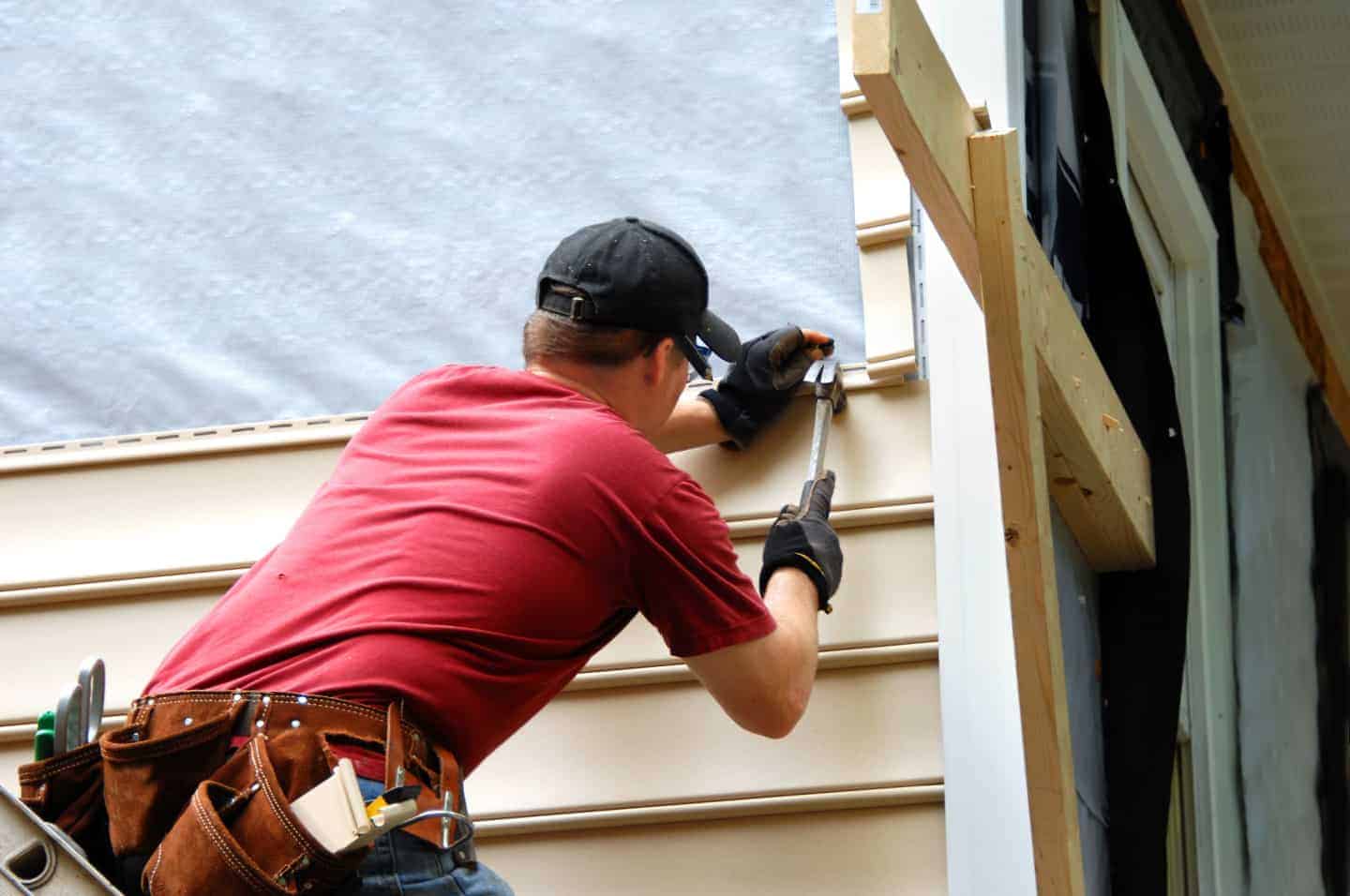
Vinyl siding accounts for the majority of installations by Maryland siding companies, and there are solid reasons why. The material costs significantly less than alternatives while offering impressive durability in our coastal environment.
Modern vinyl handles Maryland’s temperature swings better than older versions. Quality products resist cracking during cold snaps and won’t warp under intense summer heat. The material also stands up well to salt air that can corrode other siding types along the Eastern Shore.
Maintenance requirements stay minimal with vinyl. An annual pressure washing typically keeps it looking fresh, and damaged sections can be replaced individually rather than requiring full replacement. Color options have expanded dramatically, with many products now offering wood-grain textures that closely mimic natural materials.
Most Maryland siding companies stock multiple vinyl brands, giving you access to different price points and warranty terms. Installation typically costs between $5,000 and $10,000 for an average home, making it accessible for most budgets. The material’s light weight also means less structural stress on your home compared to heavier alternatives.
Energy efficiency has improved with newer vinyl products. Insulated versions help reduce heating and cooling costs, which matters given Maryland’s seasonal extremes. When properly installed by experienced contractors, vinyl siding can last 20-30 years with minimal upkeep.
Fiber Cement: The Premium Choice for Maryland Homes
Fiber cement siding has become the go-to premium option for Maryland homeowners who want maximum durability. Made from wood pulp, cement, and sand, this material handles our climate challenges better than almost any alternative.
The material excels in Maryland’s humid conditions because it resists moisture absorption that can cause other sidings to warp or rot. Salt air doesn’t affect fiber cement the way it impacts metal components, making it ideal for coastal properties. Temperature fluctuations that stress other materials barely affect properly installed fiber cement.
James Hardie leads the fiber cement market, with most Maryland siding companies offering their products. The material can mimic wood grain, smooth finishes, or even cedar shake appearances while requiring far less maintenance than natural alternatives. Color stays vibrant longer thanks to advanced pigment technology that resists fading from UV exposure.
Installation costs run higher than vinyl, typically ranging from $8,000 to $15,000 for average homes. However, the material’s 30-50 year lifespan often makes it more economical long-term. Many manufacturers back their products with warranties that cover both materials and labor when installed by certified contractors.
Fiber cement also offers superior fire resistance compared to vinyl or wood options. This can potentially lower insurance premiums and provides additional peace of mind. The material’s density also provides better noise reduction, which coastal homeowners often appreciate during storms.
Maintenance stays simple but important. Periodic painting every 10-15 years keeps the material looking fresh, though some pre-finished options extend this timeline significantly. Proper installation by experienced Maryland siding companies ensures optimal performance and warranty coverage.
Climate Considerations for Maryland Siding Selection
Maryland’s Eastern Shore presents unique challenges that smart siding companies address through material selection and installation techniques. Humidity, salt exposure, and temperature swings all impact how different materials perform over time.
Coastal properties face additional stress from salt-laden air that accelerates corrosion of metal fasteners and components. Homes closer to the Chesapeake Bay or Atlantic Ocean need materials and installation methods that account for this harsh environment.
Understanding these factors helps you choose materials that will actually perform well rather than requiring premature replacement or constant repairs.
How Humidity and Salt Air Affect Siding Performance
Maryland’s humid summers create conditions where moisture can penetrate siding materials and cause internal damage long before exterior problems become visible. North-facing walls that receive less sunlight stay damp longer, making them particularly vulnerable to moisture-related issues.
Salt spray from coastal areas creates a corrosive environment that affects all siding types differently. Metal components like nails and flashing deteriorate faster, potentially compromising the entire installation. Even materials that seem unaffected can suffer from salt buildup that attracts moisture and accelerates wear.
Experienced Maryland siding companies account for these conditions by selecting appropriate fasteners, using proper flashing techniques, and recommending materials that handle moisture effectively. Vinyl performs well because it doesn’t absorb water, while fiber cement resists moisture penetration when properly sealed.
Wood siding faces the greatest challenges in our humid climate. Without proper treatment and maintenance, moisture can cause warping, splitting, and rot. Regular sealing and painting become essential, adding to long-term costs. However, some homeowners still prefer wood for its natural beauty and are willing to invest in proper maintenance.
Proper ventilation behind siding materials becomes crucial in humid conditions. Quality installations include appropriate spacing and ventilation to allow moisture to escape rather than becoming trapped. This attention to detail separates experienced local contractors from those unfamiliar with coastal challenges.
Seasonal Temperature Changes and Material Durability
Maryland’s seasonal extremes test siding materials through repeated expansion and contraction cycles. Summer temperatures can exceed 90°F with high humidity, while winter lows drop below freezing for extended periods. These swings stress materials and installation systems in ways that milder climates don’t experience.
Vinyl siding can become brittle during extreme cold, making it vulnerable to impact damage from ice or debris. However, quality products designed for northern climates handle these conditions better than budget alternatives. Proper installation with appropriate expansion gaps prevents buckling during hot weather.
Fiber cement handles temperature swings exceptionally well due to its stable composition. The material expands and contracts minimally, reducing stress on fasteners and joints. This stability contributes to longer life and fewer maintenance issues over time.
Wood siding experiences significant movement with temperature and humidity changes. Proper installation techniques and regular maintenance help manage this movement, but the material requires more attention than alternatives. Some wood species handle Maryland’s climate better than others, with cedar and redwood offering superior resistance to moisture and temperature stress.
Metal siding, while less common, can expand significantly during hot weather. Proper installation techniques accommodate this movement, but inexperienced installers may create problems that appear years later. Most Maryland siding companies focus on vinyl and fiber cement due to their superior performance in our climate.
The key to long-term success lies in matching material selection to local conditions and using installation techniques that accommodate natural material movement. This expertise separates knowledgeable local contractors from those who apply generic approaches regardless of climate challenges.
Choosing the Right Siding Company for Maryland Projects
The material you choose matters, but proper installation makes the difference between decades of reliable performance and premature failure. Maryland’s coastal climate demands contractors who understand local challenges and use appropriate techniques for our environment.
Look for companies with extensive local experience and proper certifications from major manufacturers. These qualifications ensure they understand both product capabilities and installation requirements specific to our region.
We at Bay Area Exteriors combine over 30 years of experience with GAF Master Elite certification, placing us among the top 2% of contractors nationwide. Our understanding of Maryland’s Eastern Shore conditions helps homeowners make informed material choices that provide lasting value and protection.