
Summary:
Storm Damage Creates Hidden Roof Vulnerabilities
Maryland storms don’t just blow over and disappear. They leave calling cards on your roof that compromise its protection long after the skies clear. Missing shingles, damaged flashing, and compromised seals create entry points for the next weather event.
The problem with storm damage is that it’s often invisible from ground level. A few lifted shingles or small punctures from debris might not look serious, but they’ve broken your roof’s protective barrier. Water finds these weak spots during the next rain, spreading through your roof system and into your home’s structure.
Wind Damage Symptoms Most Homeowners Miss
Wind damage shows up in ways that seem minor until you understand what they mean. Curled or lifted shingle edges indicate broken seals that can’t keep water out anymore. Once wind gets under shingles, it creates uplift that progressively damages larger sections with each subsequent storm.
Granule loss tells a story most homeowners don’t know how to read. When storms strip granules from your shingles, you’re looking at accelerated aging that shortens your roof’s lifespan dramatically. Those granules aren’t just for appearance – they’re your shingles’ protection against UV rays and weather wear. Without them, your roof deteriorates rapidly, often requiring replacement years earlier than expected.
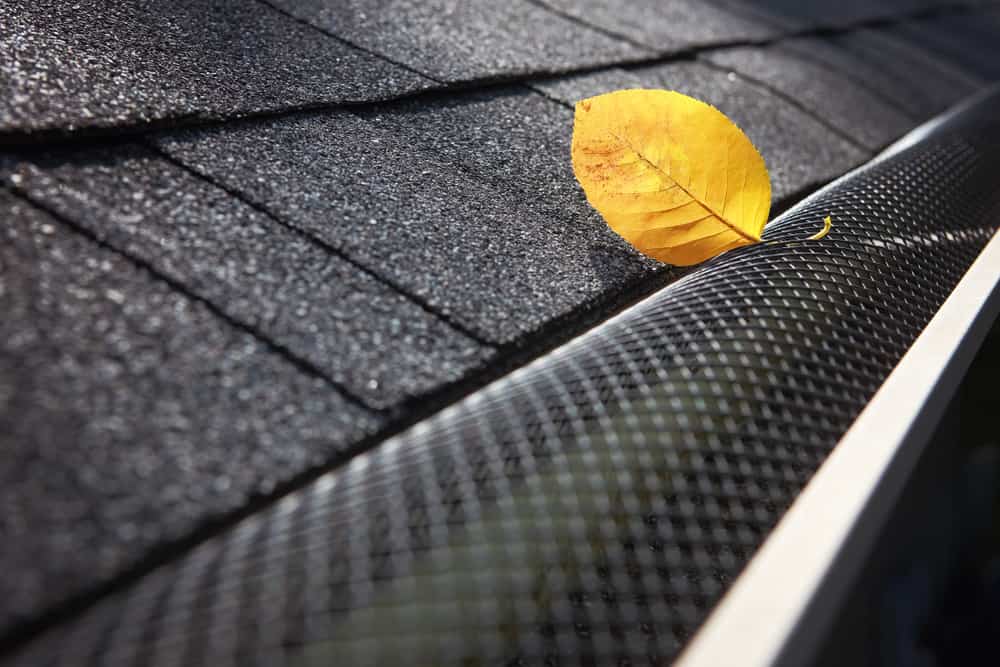
Check your gutters after every significant storm. Excessive granules in the gutters signal shingle damage that needs immediate attention. Don’t wait for leaks to appear – by then, the damage has spread beyond the original impact points and repair costs multiply quickly.
Hail Impact: Why Size Doesn't Always Matter
Maryland hail doesn’t need to be golf-ball sized to cause serious damage. Even small hailstones create micro-fractures in asphalt shingles that compromise their waterproofing ability. These invisible wounds allow moisture penetration that leads to rot, mold, and structural damage over time.
The insidious nature of hail damage is that it often doesn’t produce immediate leaks. Instead, it weakens your roof’s defenses, setting you up for problems during future storms. Water seeps through damaged areas gradually, causing rot in roof decking and structural components that can go unnoticed for months.
Professional hail damage inspections use techniques that reveal damage invisible to untrained eyes. Insurance companies expect proper documentation of hail damage, and waiting too long to file claims often results in coverage denials. Getting your roof inspected promptly after hailstorms protects both your home and your insurance coverage rights.
Flashing Failures Let Water Pour Into Your Home
Flashing around chimneys, vents, and roof transitions represents your roof’s Achilles heel. These critical seals handle the most challenging part of keeping water out – creating waterproof barriers where different materials meet. When flashing fails, water doesn’t trickle in gradually – it pours in directly.
Maryland’s temperature extremes make flashing particularly vulnerable. Expansion and contraction cycles gradually loosen seals, while wind-driven rain tests every weak point. Once flashing starts failing, the damage accelerates rapidly because water has found a direct path into your home’s structure.
Chimney Flashing: Your Roof's Most Vulnerable Point
Chimney flashing endures more abuse than any other part of your roofing system. The large penetration creates multiple seal points that must remain flexible while providing complete water protection. Maryland’s freeze-thaw cycles stress these seals constantly, gradually creating failure points that worsen with each weather event.
When chimney flashing fails, the results are immediate and severe. Water pours directly into your home’s structure, often affecting multiple floors before you notice the problem. Unlike other roof leaks that might cause gradual staining, chimney flashing failures create emergency situations that require immediate professional attention.
The complexity of chimney flashing repair requires specialized knowledge and materials. Temporary fixes rarely last because they don’t address the root causes of failure. Professional repairs use proper techniques and materials designed for Maryland’s climate, ensuring long-term protection that prevents recurring problems.
Roof Valleys: Where Water Concentrates and Problems Multiply
Roof valleys handle more water than any other part of your roofing system. During Maryland’s heavy rains, these channels carry concentrated flow that can overwhelm compromised materials or poor installations. Valley problems don’t develop gradually – they create immediate flooding conditions when they fail.
Valley flashing requires perfect installation and high-quality materials to handle the water volume and thermal stress it encounters. Age, debris accumulation, and weather exposure gradually compromise valley integrity. Once failure begins, the concentrated water flow accelerates damage throughout the affected area.
The challenge with valley problems is that they often cause extensive hidden damage before becoming obvious. Water travels along roof decking and structural members, creating rot and damage far from the original failure point. By the time you see interior water damage, the problem has often spread throughout multiple structural components, requiring extensive repairs that could have been prevented with prompt attention.
Don't Wait – Maryland Roof Problems Get Worse Fast
Maryland’s weather doesn’t give roofs a break, and small problems become big disasters faster than most homeowners expect. The combination of coastal storms, temperature extremes, and high humidity creates conditions where roof damage accelerates rapidly once it starts.
Professional inspection and prompt repairs protect your investment and prevent minor issues from becoming major expenses. When you need roof repair that understands Maryland Eastern Shore conditions, experienced contractors make the difference between quick fixes and lasting solutions. We have protected Maryland homes for over 30 years, combining local expertise with the craftsmanship that keeps families dry and secure.