Summary:
Visible Shingle Damage You Can't Ignore
Walk around your property after any significant weather event. Missing, cracked, or curling shingles aren’t just cosmetic issues—they’re your roof screaming for help.
Curling shingles are particularly dangerous here in Maryland. Our intense summer heat causes shingle edges to lift like potato chips, creating perfect targets for coastal winds to grab and tear away entire sections. Once wind gets under a lifted shingle, the damage spreads faster than you’d think.
Don’t forget to check your gutters for excessive granule buildup. Those protective granules are like sunscreen for your shingles. When you find piles of them in gutters or scattered around your foundation, your roof is losing its primary defense against our harsh Eastern Shore climate.
Why Maryland Weather Destroys Shingles Faster
Living on Maryland’s Eastern Shore means your roof faces a gauntlet of weather challenges that homeowners in other regions rarely experience. Our position makes us a bullseye for hurricanes, nor’easters, and severe thunderstorms—sometimes all in the same season.
High winds don’t hit your roof evenly. They create uplift pressure that hunts for weak spots—roof edges, corners, and anywhere shingles were already loose. This is why storm damage often appears in distinct patterns rather than randomly scattered across your roof.
Even moderate hail can bruise your shingles, creating invisible weak spots that won’t show damage immediately but will fail months later when the next storm rolls through. The granule loss from hail impact exposes the asphalt underneath, which then gets cooked by our summer sun.
Our temperature swings make everything worse. Maryland can go from freezing to 90 degrees within days during spring and fall. This constant expansion and contraction eventually cracks shingles along stress points, like repeatedly bending a paperclip until it snaps.
Flying debris during storms—tree branches, patio furniture, even pieces from your neighbor’s roof—can puncture holes in your roofing system. These impact points become highways for water infiltration that can stay hidden until you see ceiling stains inside.
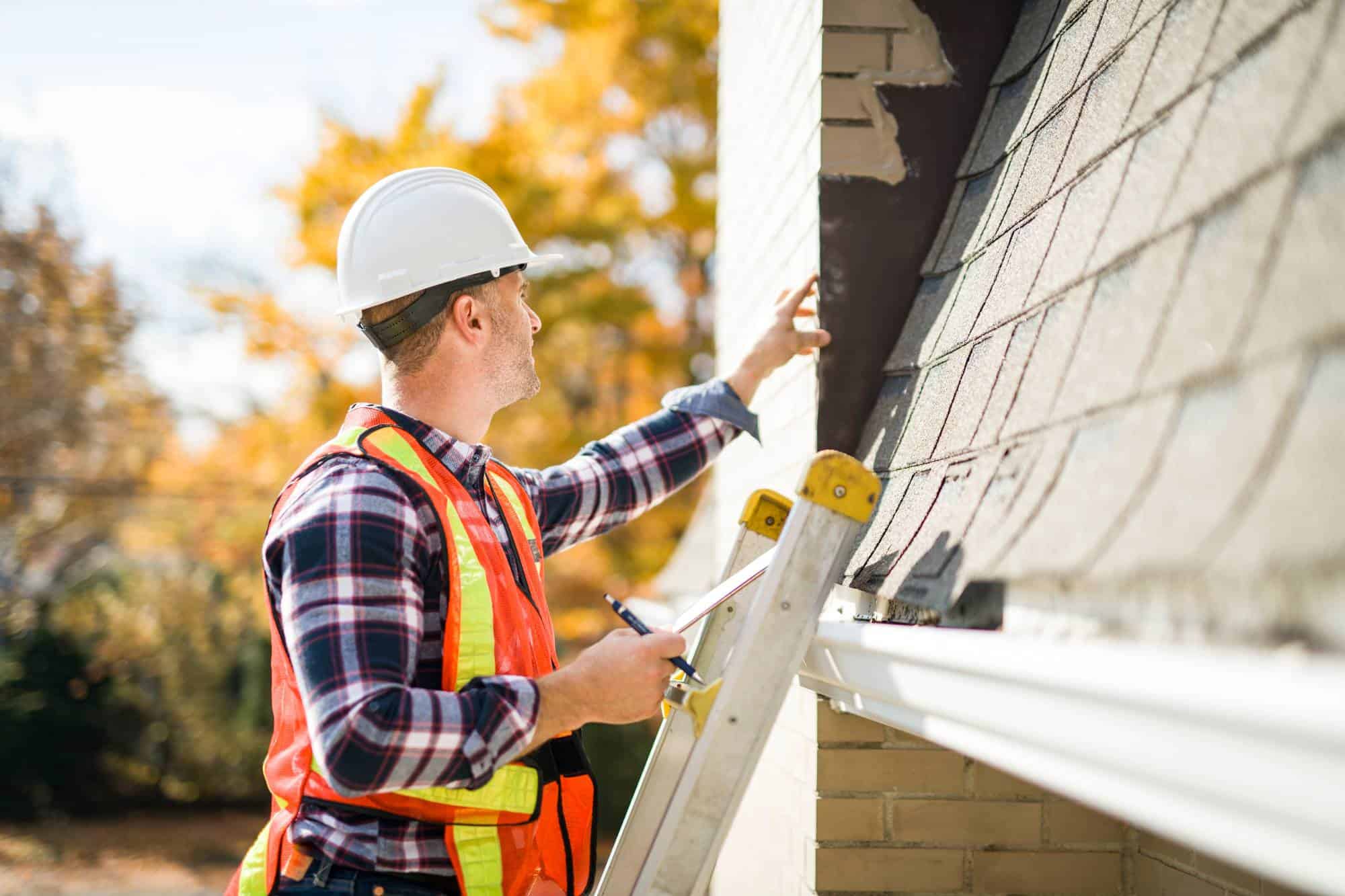
The smart move? Schedule a professional inspection after every major weather event. What looks minor from the ground often reveals serious problems when examined up close by experienced eyes.
The $15,000 Mistake: Ignoring Granule Loss
Here’s what most homeowners don’t realize: granule loss is like watching your roof’s immune system fail in slow motion. Those tiny ceramic-coated particles aren’t just decorative—they’re your roof’s armor against Maryland’s climate assault.
When granules wash away, your problems multiply quickly. UV rays penetrate straight to the asphalt mat, making it brittle and prone to cracking. The exposed asphalt also absorbs more heat, creating thermal stress that ages your entire roof system faster.
Water absorption skyrockets once granules disappear. The asphalt mat starts drinking up moisture during rain events, leading to swelling, warping, and eventual separation from the fiberglass backing. This process sneaks up on you—by the time you notice, significant damage has already occurred.
You also lose fire protection. That ceramic coating provides crucial defense against wind-blown embers and direct flames. Without it, your roof becomes more vulnerable during wildfire events or when neighbors experience house fires.
The economics are brutal. A roof losing significant granules typically needs complete replacement within 2-3 years, regardless of its original warranty. Wait until granule loss becomes severe, and you’ve missed your window for cost-effective repairs.
We can read granule loss patterns like a detective reads clues. We can tell you whether you’re dealing with normal aging, storm damage, or manufacturing defects—a distinction that matters enormously for insurance claims and repair decisions.
Interior Water Damage Warning Signs
Water stains on ceilings and walls are the obvious villains, but roof leaks often start their destructive work much more quietly. Your attic is where the real detective work happens.
Look for dark spots on roof decking, soggy insulation, or that unmistakable musty smell that screams hidden moisture problems. Water is sneaky—it follows gravity and building materials in ways that would surprise you. That ceiling stain in your bedroom might actually trace back to a roof leak over your kitchen.
Mold growth in your attic is a red alert situation. Maryland’s humidity creates perfect conditions for mold to explode once moisture enters your roof system. Deal with this immediately—mold remediation costs can make roof repairs look cheap by comparison.
Why Maryland Homes Face Higher Leak Risks
Maryland’s coastal location creates a perfect storm of conditions that make roof leaks more likely and more devastating than in drier climates. Our combination of high humidity, wild temperature swings, and frequent severe weather means even tiny roof openings can quickly become your worst nightmare.
Summer humidity here often exceeds 70%. When that moisture-heavy air enters your attic through roof leaks, it doesn’t just evaporate like it would in Arizona. Instead, it hangs around like an unwelcome guest, creating persistent dampness that feeds mold growth and rots your structural wood.
Our freeze-thaw cycles during winter turn minor leaks into major disasters. Water seeps into small cracks, freezes, and expands like a tiny hydraulic jack, widening the openings. When temperatures rise, more water enters these enlarged gaps, accelerating the destruction cycle.
Coastal storms bring wind-driven rain that behaves completely differently from gentle precipitation. The horizontal force of storm water can push moisture through roof joints and flashing that would normally shed water perfectly. This is why many homeowners discover leaks only after major weather events.
The salt air along our Eastern Shore acts like acid on metal roof components—flashing, gutters, and fasteners. As these elements corrode, they create new pathways for water infiltration. Regular inspection of metal components isn’t optional here; it’s survival.
We use specialized tools like thermal imaging cameras and moisture meters for leak detection. These can identify problem areas before visible damage appears, potentially saving you thousands in structural repairs and mold cleanup costs.
Emergency Action Plan for Active Roof Leaks
When you discover an active roof leak during a Maryland storm, your next moves can mean the difference between a manageable repair bill and a financial catastrophe. Speed matters, but so does smart action.
First priority: protect your belongings. Move furniture and electronics away from leak areas immediately. Place buckets or tarps to catch dripping water, but remember that water often travels along roof decking before dripping—the actual leak source might be several feet from where you see water hitting the floor.
If you can safely reach your attic, try to locate where water is actually entering and place containers at the source rather than just where it’s dripping into your living space. This prevents water from spreading across insulation and ceiling materials like spilled milk.
Never, ever attempt to climb on your roof during active weather. Maryland storms can intensify without warning, and wet roofing materials become as slippery as ice. We have specialized equipment and years of training for safe emergency repairs during dangerous conditions.
Contact your insurance company as soon as it’s safe to make the call. Many policies require prompt damage notification, and the timeline of events can be crucial for claim approval. Take photos of damage from multiple angles, but don’t risk your safety for documentation.
Those temporary fixes—tarps and buckets—are exactly that: temporary. Water damage continues its destructive work behind the scenes even when you can’t see it happening. Schedule professional inspection and repair immediately to prevent secondary damage like mold growth and structural rot.
Keep receipts for everything—tarps, buckets, cleanup materials. These emergency expenses are often reimbursable under homeowner’s insurance, but you’ll need documentation to support your claim.
Don't Wait Until It's Too Late
Your roof stands between your family and Maryland’s relentless weather assault. The seven warning signs we’ve covered—from curling shingles to interior leaks—are your early warning system for preventing manageable problems from becoming financial disasters.
The math is simple: ignoring these signs costs 3-5 times more than addressing them when they first appear. Emergency roof replacement during a crisis isn’t just expensive—it’s stressful, disruptive, and often means settling for whatever contractor is available rather than choosing the best.
When you spot any of these warning signs, contact Bay Area Exteriors immediately. Our GAF Master Elite certification puts us in the top 2% of roofing contractors nationwide, and our 30+ years of Eastern Shore experience means we understand exactly what your roof faces and how to protect it for decades to come.