Summary:
Improper Moisture Barrier Installation Destroys Maryland Homes
Maryland’s humidity doesn’t forgive shortcuts. When contractors skip proper house wrap or install it incorrectly, moisture finds every weakness in your home’s defense system.
We’ve torn off siding from homes where water had been seeping behind panels for years. The homeowners had no idea until they found mold in their living room walls. The damage? Structural repairs costing $15,000 or more—all because someone saved twenty minutes on moisture barrier installation.
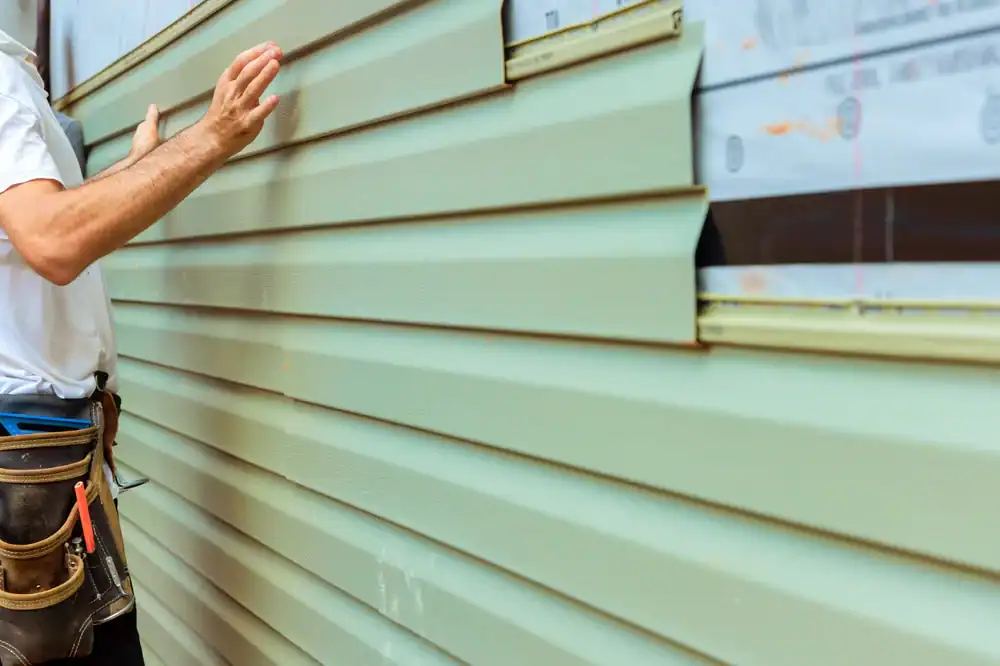
Your siding is only as good as what’s behind it. In Maryland’s climate, that means marine-grade weather barriers and proper flashing around every window, door, and penetration.
Why Standard House Wrap Fails in Coastal Maryland
Standard house wrap works fine in dry climates. But Maryland’s Eastern Shore isn’t dry. Salt air accelerates material breakdown, and our humidity levels create conditions that destroy inferior barriers within years.
We’ve seen contractors use basic felt paper or cheap plastic sheeting because it costs less. Within three years, these materials start failing. Water penetration begins slowly—maybe just during heavy storms at first. But once moisture gets behind your siding, it spreads through insulation and into wall cavities.
The signs aren’t always obvious from inside your home. You might notice slightly higher energy bills as insulation loses effectiveness. Maybe there’s a musty smell in certain rooms that you can’t explain. By the time you see actual water damage, the problem has been growing for months.
Proper installation requires marine-grade barriers designed for coastal environments. These materials cost more upfront, but they prevent the catastrophic failures we see regularly. When we install siding correctly, we’re not just covering your walls—we’re creating a defense system that handles everything Maryland weather throws at it.
The investment in proper materials pays for itself. Homeowners with quality moisture barriers typically see 15-25% reductions in energy costs because their homes maintain consistent temperatures. More importantly, they avoid the devastating repair costs that come with moisture infiltration.
Flashing Mistakes That Cost Thousands in Water Damage
Flashing is where most siding installations fail. It’s the metal or membrane that directs water away from joints, windows, and corners. Get it wrong, and water finds its way into your walls every time it rains.
The most expensive mistake we see is improper flashing around windows and doors. Contractors either skip it entirely, use the wrong materials, or install it backwards. In Maryland’s coastal environment, this creates direct pathways for salt-laden moisture to enter your home’s structure.
We’ve opened walls where flashing was installed upside down, actually directing water into the house instead of away from it. The homeowner had been dealing with mysterious leaks for two years before calling us. The repair required removing siding, replacing rotted framing, and installing proper flashing—a $8,000 job that could have been avoided with correct installation.
Step flashing at roof intersections is another critical failure point. Many contractors use straight flashing instead of step flashing, or they don’t extend it far enough under the roofing material. When storms drive rain horizontally—common in Maryland—water runs right into your walls.
Z-flashing above windows and doors is essential but often missing. This simple piece of metal creates a drip edge that prevents water from running down your siding and finding gaps around openings. Without it, even small amounts of moisture accumulate over time, eventually causing rot in window frames and surrounding structure.
The difference between proper and improper flashing isn’t visible from the outside. Your siding might look perfect for years while water slowly destroys your home’s structure. When we do installations, we photograph every piece of flashing before covering it with siding. This documentation protects both you and us, ensuring everything is installed correctly.
Fastener and Spacing Errors That Cause Siding Failure
Maryland’s temperature swings and coastal storms test every fastener in your siding system. Use the wrong screws or nails, and your beautiful installation becomes expensive kindling in the first nor’easter.
Salt air corrodes standard fasteners within months. We’ve seen siding installations where contractors used regular galvanized nails instead of stainless steel. The nails rusted out, panels started flapping in the wind, and the homeowner faced complete re-installation within three years.
Proper spacing and fastening techniques account for thermal expansion and wind loads. Get these wrong, and your siding either buckles from expansion or tears away during storms.
Why Coastal Maryland Requires Stainless Steel Fasteners
Standard galvanized fasteners might work inland, but they fail quickly in salt air. We’ve pulled corroded nails from siding that was installed just two years earlier. The homeowner thought they had a quality installation until panels started coming loose during a windstorm.
Stainless steel costs more, but it’s the only fastener material that survives Maryland’s coastal environment. These fasteners maintain their holding power for decades, even when constantly exposed to salt spray and humidity.
The installation technique matters as much as the material. Fasteners driven too deep create dimples that collect water and accelerate corrosion. Fasteners not driven deep enough allow panels to move excessively, creating stress points that eventually fail.
We use specific torque settings for coastal installations, ensuring fasteners are properly seated without over-driving. Each fastener placement is planned to account for thermal expansion—siding materials grow and shrink significantly with temperature changes, and fasteners must accommodate this movement without loosening.
Spacing between fasteners is critical for wind resistance. Maryland building codes specify minimum requirements, but coastal installations often need closer spacing to handle storm conditions. We’ve seen siding torn off homes where contractors followed minimum codes instead of best practices for high-wind areas.
The cost difference between standard and stainless steel fasteners is minimal compared to re-installation costs. When homeowners try to save money on fasteners, they often end up paying for complete siding replacement within a few years. Quality fasteners are insurance against catastrophic failure.
Expansion Gap Mistakes That Cause Buckling and Warping
Siding materials expand and contract significantly with temperature changes. Maryland’s climate swings from freezing winters to hot, humid summers—sometimes a 60-degree difference that causes dramatic material movement.
Contractors who don’t account for expansion create installations that fail spectacularly. We’ve seen vinyl siding buckle so severely it looked like waves across entire wall sections. The homeowner thought they had defective materials, but the real problem was improper installation without adequate expansion gaps.
The fix required complete removal and reinstallation with proper spacing. This mistake cost the homeowner $12,000 and could have been avoided with correct installation techniques from the start.
Different materials require different expansion allowances. Vinyl siding needs more expansion room than fiber cement, and both require specific fastening techniques to allow movement without failure. Contractors who don’t understand these differences create problems that won’t show up until extreme weather tests the installation.
Corner treatments are especially critical for expansion management. Improper corner installation restricts natural material movement, creating stress concentrations that lead to cracking and separation. We use specialized corner systems designed for coastal applications, ensuring materials can move freely without compromising weather protection.
Temperature cycling in Maryland is particularly harsh on siding materials. Morning frost followed by afternoon heat in spring and fall creates rapid expansion and contraction cycles. Installations that don’t accommodate this movement develop stress fractures that allow moisture penetration.
The solution requires understanding both material properties and local climate conditions. We calculate expansion requirements based on Maryland’s actual temperature ranges, not generic manufacturer recommendations. This attention to detail prevents the buckling, warping, and cracking that destroy inferior installations.
Protect Your Maryland Home Investment With Expert Installation
These five mistakes destroy more siding installations in Maryland than all other factors combined. Improper moisture barriers, failed flashing, wrong fasteners, and expansion errors turn quality materials into expensive problems.
The difference between installations that last decades and those that fail within years comes down to understanding Maryland’s unique coastal challenges. Salt air, humidity, temperature swings, and storm conditions demand installation techniques that go beyond standard practices.
When you’re ready to protect your home with siding that’s built for Maryland’s Eastern Shore, Bay Area Exteriors brings three decades of coastal expertise to every installation. We’ve learned what works and what fails in your specific environment, and we use that knowledge to ensure your investment performs as intended for decades to come.