
Summary:
Stop the Water Damage Immediately
Move belongings away from the leak and place containers under drips to catch water before it spreads across your floor. This isn’t about fixing the roof—it’s about damage control.
Use buckets or tarps to contain and redirect water away from the interior of your home. If water is pooling on furniture or electronics, move them immediately. Every minute you delay increases the repair bill.
Water pouring onto electrical areas poses both safety and structural risks, making swift intervention essential. If water is near electrical outlets or your fuse box, shut off power to that area immediately and call an electrician if needed.
Why Speed Matters More Than You Think
Roof leaks lead to damaged ceilings, rotted framework, destroyed insulation and mold growth, which can cause long-term health damage if left unrepaired. What starts as a small drip becomes a cascade of problems within hours.
Maryland’s humidity makes mold growth particularly aggressive. The growth of mold, mildew and bacteria can all occur as a consequence of a leaking roof, often starting within 24-48 hours of water intrusion. Once mold takes hold, you’re not just dealing with a roof repair —you’re facing remediation costs that can easily double your total expense.
The longer you delay, the more water damage can creep into your attic, insulation, or drywall. Drywall that gets saturated often needs complete replacement rather than simple patching. Insulation loses its effectiveness permanently once wet, requiring full removal and reinstallation.
The additional damage that can be done to an exposed roof will cost more than the repairs themselves. This is why emergency response isn’t just about convenience—it’s about protecting your investment from exponential damage.
Your flat roof’s membrane system is designed to shed water quickly. When it fails, water doesn’t just drip—it can pool and find multiple entry points. Problems include pooling, loose fasteners, cracked flashing, rips, and tears, all of which can worsen rapidly during active weather.
Document Everything for Insurance Claims
Take photographs of the damage for insurance claims and future reference. Your phone’s camera is your best tool right now—use it extensively before touching anything.
Photograph the water damage from multiple angles. Capture where water is entering, where it’s pooling, and what it’s affecting. Take close-up shots of any visible roof damage if you can safely see it from the ground. Document wet insulation, damaged drywall, and affected belongings.
Time-stamp matters for insurance claims. Most smartphones automatically embed date and time information in photos, but consider taking a few shots that include a newspaper or your phone’s clock display. Insurance adjusters use this information to establish timeline and cause.
Most people have never had to use their homeowner’s insurance, and it can be an overwhelming experience. Professional contractors work hand-in-hand with you and your carrier to make sure your roof is repaired to its original condition. Having thorough documentation from the start makes this process significantly smoother.
Don’t just photograph the obvious damage. Water travels along beams and can show up far from the actual leak source. Check your attic if it’s safe to do so, and document any wet insulation or water stains on wooden structures. Look for water spots or dampness, especially along support beams and near vents. Check your insulation for water, and look for ice or trails left by ice dams.
Create a simple written log noting when you first noticed the leak, weather conditions, and what immediate steps you’ve taken. This documentation becomes valuable evidence for both insurance claims and helping your roofing contractor understand the situation quickly.
Call Professional Help Immediately
Avoid climbing onto the roof during bad weather. This isn’t the time for DIY heroics—it’s the time for professional emergency response.
Undertaking emergency roof repairs can pose significant danger and potentially affect your insurance coverage. Self-repairs might invalidate your home insurance policy. Even temporary fixes can create liability issues if not done correctly.
When faced with significant risks like severe water intrusion, reaching out to a professional for roof emergency repair is vital. Experienced roofers can evaluate the damage, provide immediate solutions, and prevent further complications. We have the equipment, expertise, and insurance to handle emergency situations safely.
What to Expect from Emergency Response
We prioritize emergency calls and schedule inspections as soon as possible. Our vehicles are fully equipped so that most leaks can be controlled during the first visit. If larger rebuilds are required, we plan follow-up work promptly and communicate every step clearly.
We know leaks happen and are ready to locate the origin, fix it, and make sure your home stays dry. We’re on call 7 days a week and in most cases, offer same-day service. This immediate response capability is exactly what you need during a flat roof emergency.
In situations where immediate repairs aren’t possible, such as during ongoing severe weather, we provide emergency tarping services. A professionally installed tarp acts as a temporary shield, preventing water intrusion, debris, and further damage. This crucial step buys time until permanent repairs can be safely completed.
Our emergency response typically involves three phases: immediate stabilization, damage assessment, and repair planning. We implement temporary measures to stop immediate leaks and prevent further damage, conduct thorough inspections to identify the extent of damage and provide detailed repair plans, then perform permanent repairs to restore structural integrity.
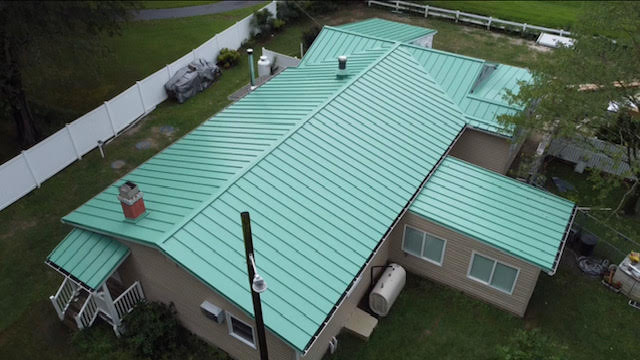
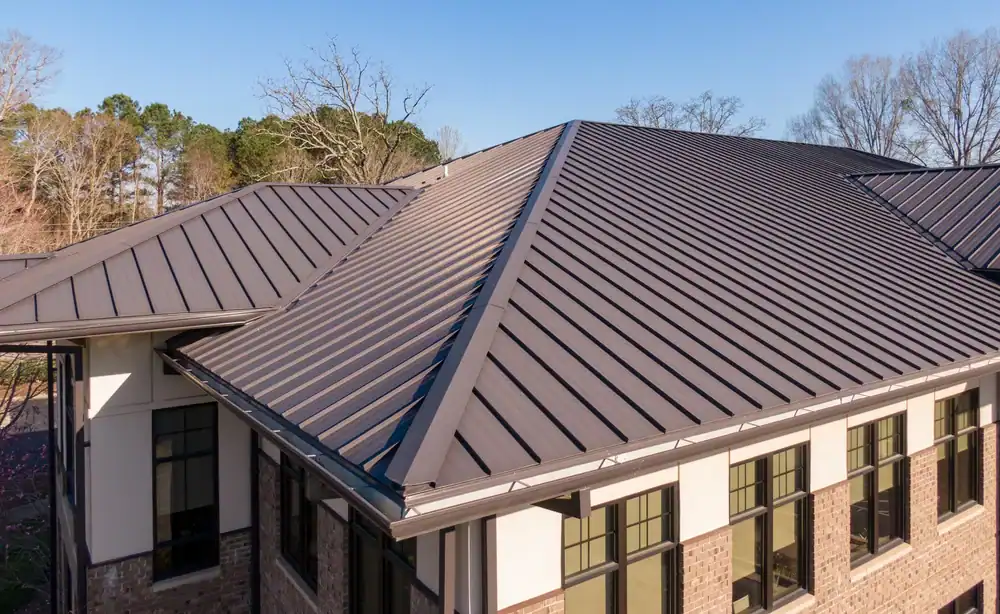
We have experience with all roof types, servicing asphalt shingles, standing seam metal, EPDM and TPO flat roofs, and specialty architectural systems. This expertise is crucial for flat roofs, which require specific knowledge of membrane systems, drainage patterns, and sealing techniques.
For Talbot County homeowners, our local expertise matters. As contractors who live and work in the same communities, we provide faster response times and genuine understanding of local building codes and weather challenges. We understand how Eastern Shore weather patterns affect different roofing systems and can anticipate potential issues.
TPO and EPDM Flat Roof Emergency Considerations
Commercial flat roofs can spring leaks due to faulty installation, storm damage, or just old age. TPO and EPDM systems, common on Talbot County homes, have specific failure patterns that require specialized knowledge.
Punctures, tears, and seam failures in TPO and EPDM systems, along with deteriorated or improperly installed flashing around penetrations and perimeters, are the most common emergency situations. These membrane systems can fail suddenly, especially around HVAC units, vents, and roof penetrations.
Common issues include leaks and punctures, seam separation or lifting, and damage caused by weather or aging. TPO roofs are particularly susceptible to seam failures during thermal expansion and contraction cycles, which are common in Maryland’s variable climate.
We trace leaks, weld TPO and PVC seams, repair EPDM laps, restore modified bitumen details, replace failing flashing, and correct drainage to protect interiors. This specialized work requires specific tools and training that general contractors typically don’t possess.
Advanced leak detection methods like Electronic Leak Detection Testing (ELDT) and Electric Field Vector Mapping (EFVM) can identify leaks precisely without making cuts in the roof. These technologies are particularly valuable for flat roofs where water can travel horizontally before entering the building.
The membrane’s age significantly affects emergency response options. With proper installation and maintenance, TPO roofs typically last 20-30 years or more, but emergency repairs on older systems may require different approaches than newer installations. Understanding your roof’s age and installation date helps us determine the best emergency response strategy.
Protect Your Talbot County Home with Professional Emergency Response
A quick response can make the difference between a minor fix and a major roof replacement. The five steps outlined here—stopping water damage, documenting everything, avoiding DIY risks, calling professionals immediately, and understanding your roof system—form your emergency action plan.
Ignoring emergency issues can lead to long-term damage, including compromised support structures and costly repairs, underscoring the importance of prompt attention. Your flat roof emergency doesn’t have to become a financial disaster if you act decisively.
When your Talbot County home faces a flat roof emergency leak, we provide the certified expertise and rapid response you need. Our GAF Master Elite certification and 30+ years of Eastern Shore experience ensure your emergency gets handled right the first time, protecting both your home and your investment.