Summary:
Best Vinyl Windows Need Coastal-Specific Engineering
Standard vinyl windows work fine in Annapolis or Dover – until salt air gets involved. Coastal environments create conditions that destroy typical windows within years. Salt doesn’t just affect metal parts; it breaks down vinyl compounds, weatherstripping, and glass seals faster than most homeowners expect.
You need windows engineered specifically for coastal performance. That means UV stabilizers, impact modifiers, and corrosion-resistant hardware designed for salt air exposure. Without these features, you’re looking at premature replacement and energy efficiency losses that cost thousands.
Salt Air Resistance That Actually Works
The best coastal vinyl windows use specialized PVC compounds that resist salt air damage. These aren’t marketing claims – they’re measurable differences in material composition. Quality coastal windows include titanium dioxide for UV protection, impact modifiers for durability, and calcium carbonate fillers that maintain structural integrity despite constant salt exposure.
You want windows that meet ASTM standards for coastal applications, not just general residential use. The frame material should resist the chalking, cracking, and discoloration that affects standard vinyl in places like Wicomico County and Talbot County. Quality manufacturers actually test their coastal formulations in chambers that simulate years of salt spray.
Hardware matters just as much as the vinyl itself. Stainless steel components, corrosion-resistant locks, and marine-grade weatherstripping prevent the failures you see with standard windows near the Chesapeake Bay. The drainage system must handle increased moisture loads without backing up or failing.
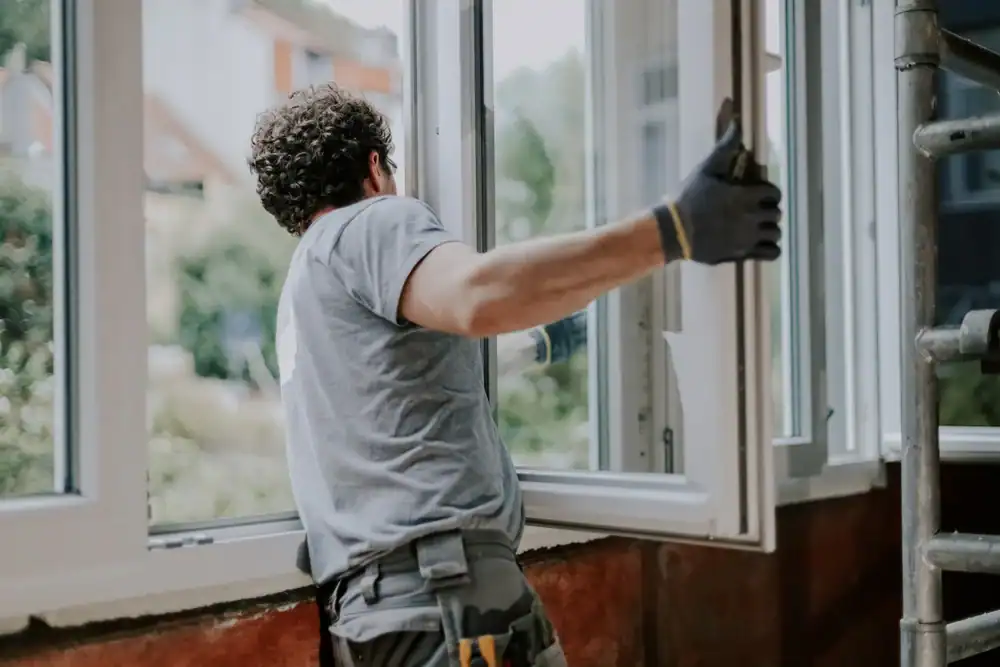
Installation becomes critical with coastal windows. Flashing details, sealant selection, and vapor barriers all require techniques specific to salt air environments. Even perfectly engineered coastal windows fail when installed using standard methods that don’t account for driving rain and salt penetration.
Low-E Glass Technology for High-Efficiency Vinyl Windows
Coastal homes in Caroline County and Queen Anne’s County face energy challenges that make Low-E glass essential, not optional. High humidity increases cooling loads while temperature swings between AC and outside conditions stress standard glass units. You need advanced Low-E coatings designed for these specific conditions.
Double Low-E coatings provide the best performance for coastal applications. The first coating reflects infrared heat to reduce your cooling costs, while the second coating controls condensation between glass panes. This prevents the foggy glass problems common in coastal installations while keeping your energy bills manageable year-round.
Gas fills between glass panes matter more in coastal applications than inland homes. Argon gas insulates better than air, but it must stay sealed despite high humidity conditions. Quality coastal windows use dual seals and desiccant materials designed to handle moisture loads that overwhelm standard units.
The spacer system between glass panes requires special attention near the water. Standard aluminum spacers conduct heat and create condensation points that lead to seal failure. The best coastal windows use warm-edge spacers that resist thermal bridging while maintaining structural integrity in salt air.
Coastal Window Performance Standards You Can Trust
Not every vinyl window claiming coastal suitability actually delivers the performance your Eastern Shore home needs. Real coastal window performance requires specific certifications and test results that prove durability in salt air, high winds, and driving rain.
Look for windows meeting AAMA standards for coastal applications, including accelerated weathering tests and salt spray resistance. These certifications mean the window has been tested beyond standard requirements for long-term performance in harsh coastal environments like those found throughout Prince George County and Sussex County.
Storm Performance That Protects Your Investment
Coastal Delaware and Maryland homes face regular storm conditions that demand real impact resistance. The best vinyl windows for coastal areas incorporate reinforced frames, impact-resistant glass options, and hardware designed to withstand high wind loads without failing. You need windows that perform when storms hit, not just during calm weather.
Design pressure ratings become critical in coastal installations. Your windows must handle both positive and negative pressure loads from storm winds while maintaining structural integrity and weather sealing. Standard residential windows often lack the reinforcement needed for reliable coastal storm performance, leaving you vulnerable to water damage and costly repairs.
Laminated glass options provide impact resistance while maintaining energy efficiency. These glass units use a polymer interlayer that holds fragments together during impact, preventing catastrophic failures that create water damage and security issues. The best coastal windows offer laminated glass as standard or readily available upgrades.
Installation methods for coastal storm resistance require specialized techniques and materials that many contractors don’t understand. Proper anchoring, flashing integration, and structural connections ensure your windows perform as designed during storm conditions. Even perfectly engineered coastal windows fail if installation doesn’t account for increased loads and water penetration risks.
Warranty Coverage That Actually Covers Coastal Conditions
Standard window warranties often exclude or limit coverage for coastal installations, leaving you vulnerable to expensive repairs or replacements when salt air causes premature failure. The best vinyl windows for coastal areas come with warranties that specifically cover salt air exposure, high humidity conditions, and storm-related performance issues.
Manufacturer warranties should cover both material performance and installation-related issues specific to coastal environments. This includes coverage for premature seal failure, hardware corrosion, and frame degradation caused by salt air exposure. Quality manufacturers stand behind their coastal window products with comprehensive warranty protection that actually applies to your coastal location.
Installation warranties become equally important in coastal applications. Proper coastal installation requires specialized techniques and materials that standard window installers may not understand. Working with certified installers who offer comprehensive warranties on coastal-specific installation methods protects your investment and ensures long-term performance.
Enhanced warranty programs often accompany the best coastal window products. These programs may include extended coverage periods, transferable warranties for resale value, and expedited service for storm-related issues. The additional warranty protection reflects the manufacturer’s confidence in their coastal window engineering and helps protect your investment in harsh coastal conditions.
Finding the Best Vinyl Window Installation in Maryland and Delaware
The best vinyl windows for coastal applications require installation expertise that goes beyond standard residential window replacement. Coastal conditions in Kent County, Talbot County, and throughout the Eastern Shore demand specialized techniques, materials, and understanding of local environmental challenges that affect long-term window performance.
You need installers with extensive coastal experience and manufacturer certifications for the specific window products you’re considering. Installation quality directly impacts performance, energy efficiency, and warranty coverage. We bring over 30 years of coastal installation experience as a GAF Master Elite contractor, using only our own certified employees – never subcontractors – to ensure your investment delivers the protection and performance your coastal home requires.
Your coastal window investment deserves the engineering focus and installation expertise that ensures success in Delaware and Maryland’s challenging coastal environment.