Summary:
You’re about to spend $10,000 to $40,000 on a metal roof that should last half a century. The contractor you choose determines whether that investment delivers decades of protection or becomes a source of leaks, warped panels, and voided warranties within a few years.
Most homeowners focus on price comparisons while missing the credentials that actually matter. Maryland’s licensing requirements differ from other states. Standing seam metal roof installation demands specialized expertise that general roofers often lack. And the wrong choice costs far more than the difference between quotes.
This guide cuts through the confusion. You’ll learn exactly what to verify, which questions expose inexperience, and how to identify contractors qualified to install your metal roof correctly.
How to Verify Metal Roof Installation Contractor Licensing in Maryland
Maryland doesn’t issue a specific “roofing license” the way some states do. Instead, contractors performing metal roof installation work must hold a Maryland Home Improvement Commission license, commonly called an MHIC license.
This distinction matters because homeowners searching for “licensed roofer” often miss the actual requirement. The MHIC license proves a contractor has demonstrated at least two years of documented experience, passed a state examination covering Maryland home improvement laws, and maintains financial solvency. These aren’t just bureaucratic hurdles—they’re your first line of protection against contractors who disappear mid-project or lack the knowledge to complete work properly.
You can verify any contractor’s MHIC license status directly through the Maryland Department of Labor’s website. The license number should appear on estimates, contracts, and marketing materials. If a contractor hesitates to provide their license number or claims they “don’t need one” for your project, that’s your signal to keep looking.
Standing Seam Metal Roof Installation Requirements Beyond Basic Licensing
An MHIC license confirms a contractor can legally work in Maryland. It doesn’t confirm they know how to install standing seam metal roofing correctly.
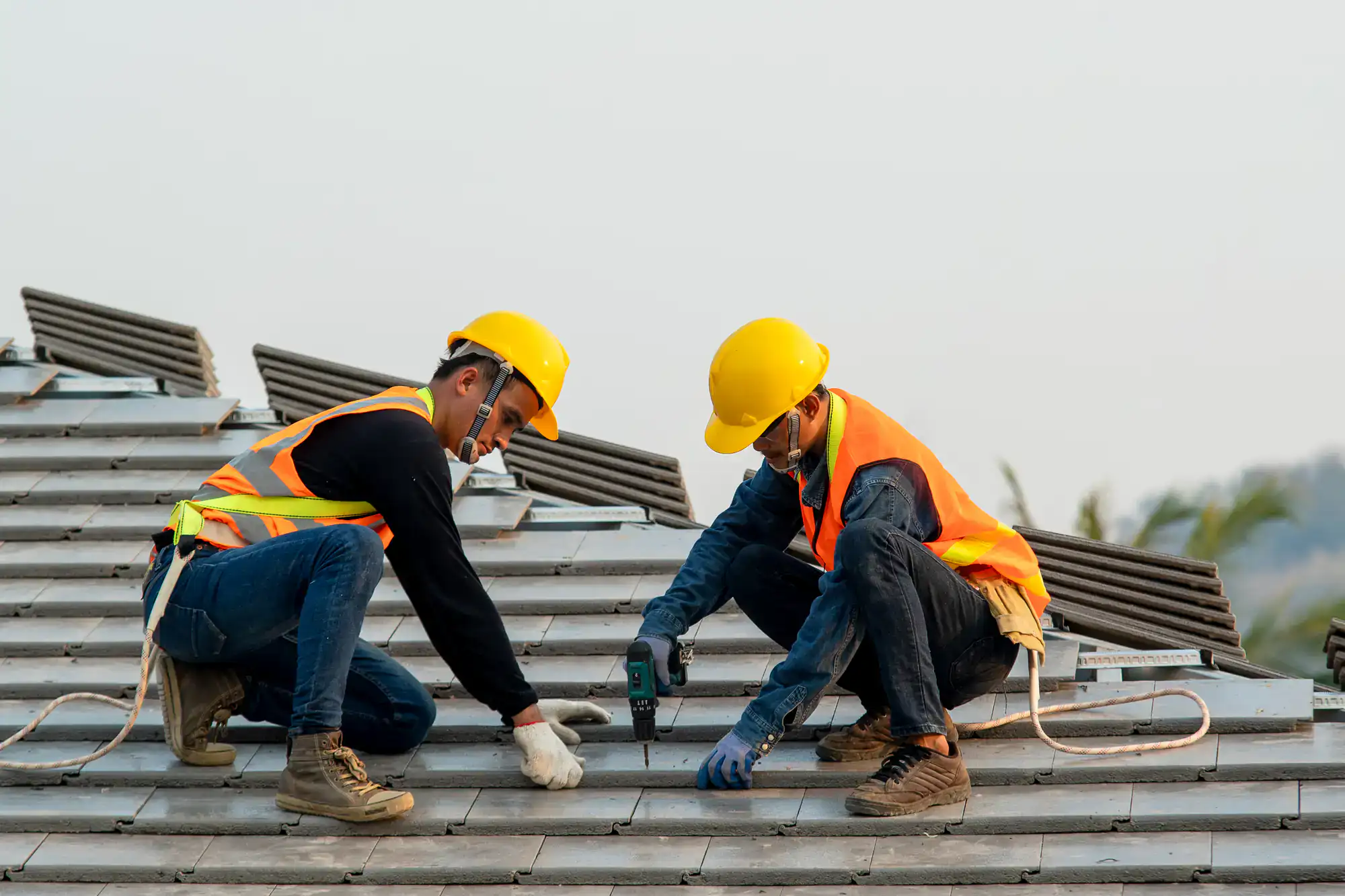
Standing seam systems use concealed fasteners and interlocking panels that require completely different installation techniques than asphalt shingles or even exposed-fastener metal roofing. The panels must allow for thermal expansion and contraction—metal expands in heat and contracts in cold. Contractors who don’t account for this movement create roofs that buckle, warp, or develop gaps at the seams.
Proper installation requires floating clips with slotted holes that let panels move slightly without compromising the roof. Fasteners must be placed at specific intervals, typically 12 to 24 inches apart depending on wind load requirements for your area. The clips attach to solid decking, not just any substrate. Panel alignment needs to stay consistent across the entire roof, because even small deviations compound into visible problems.
Most standing seam metal roof installations also require a minimum 3:12 pitch for proper water runoff. Flashing around chimneys, vents, and valleys demands custom metalwork that diverts water away from vulnerable areas. Underlayment and ice-and-water shield provide secondary protection, but only if installed according to manufacturer specifications.
Here’s what separates experienced metal roof installation contractors from general roofers trying to expand their services: they understand that metal roofing isn’t just “different shingles.” It’s a completely different system with its own tools, techniques, and potential failure points. A contractor who’s installed hundreds of asphalt shingle roofs but only a handful of metal roofs is learning on your investment.
Ask specifically about their metal roofing experience. How many standing seam projects have they completed in the past two years? Can they explain their process for handling thermal expansion? Do they use manufacturer-certified installation crews? The answers tell you whether you’re hiring an expert or subsidizing someone’s education.
Residential Metal Roof Contractors and Insurance Requirements You Can't Ignore
Maryland updated its insurance requirements for home improvement contractors in June 2024. Every MHIC-licensed contractor must now carry general liability insurance with minimum coverage of $500,000. This isn’t optional, and it’s not just about protecting the contractor—it’s about protecting you.
General liability insurance covers property damage that occurs during your project. If a contractor’s crew damages your siding while installing the roof, drops tools through a skylight, or causes water damage during a rainstorm because they left the roof exposed, that insurance pays for repairs. Without it, you’re filing a lawsuit to recover damages, assuming the contractor has assets worth pursuing.
Workers’ compensation insurance matters just as much. Roofing work involves heights, heavy materials, and power tools. Injuries happen. If a worker falls from your roof and the contractor doesn’t carry workers’ comp coverage, you could be held liable for medical expenses and lost wages. That liability can reach hundreds of thousands of dollars.
Before you sign anything, request certificates of insurance directly from the contractor. Don’t accept verbal assurances or promises to “send it later.” The certificate should name the Maryland Home Improvement Commission as the certificate holder and show current coverage that extends through your project timeline.
Call the insurance company listed on the certificate to verify it’s active. This takes five minutes and eliminates a common scam where contractors provide expired or fraudulent certificates. Legitimate contractors expect this verification and won’t be offended by your diligence.
Some contractors try to reduce their insurance costs by using subcontractors instead of employees. This shifts insurance responsibility to the subcontractor, but it also reduces your protections if something goes wrong. Ask directly: “Will your employees install my roof, or will you use subcontractors?” If they use subs, request certificates of insurance for those companies too.
The insurance requirements exist because roofing is inherently risky work. Contractors who meet these standards demonstrate they’re running legitimate businesses with proper risk management. Those who don’t are either cutting corners to offer lower prices or operating illegally. Either way, they’re not worth the risk to your property and financial security.
What Metal Roofing Companies With GAF Master Elite Certification Offer
You’ll see “GAF Master Elite” prominently displayed on websites and trucks throughout Talbot County. Understanding what this certification actually means helps you separate legitimate credentials from marketing noise.
GAF is North America’s largest roofing manufacturer. Their Master Elite program represents the top 2-3% of roofing contractors nationwide. Achieving this status requires more than just buying GAF products—contractors must demonstrate proven reputation, maintain proper licensing and insurance, show financial stability, and commit to ongoing professional training.
The certification gives contractors access to GAF’s strongest warranties, including options for 50-year material coverage and 25-year workmanship warranties backed by the manufacturer. These enhanced warranties aren’t available through non-certified contractors, regardless of which products they install. That warranty difference alone can add significant value to your investment.
Master Elite contractors also receive direct training from GAF on product installation, updated techniques, and industry best practices. This ongoing education requirement ensures they stay current with evolving standards rather than relying on outdated methods learned years ago.
Standing Seam Metal Roof Installation and Manufacturer Certifications
Most metal roofing manufacturers require professional installation to maintain warranty coverage. Read that again—if you hire an unqualified contractor or attempt DIY installation, you void the manufacturer’s warranty before the first panel goes up.
This requirement exists because improper installation causes the vast majority of metal roof failures. Panels installed without proper thermal expansion allowance buckle. Fasteners over-tightened or placed incorrectly create stress points that crack. Flashing installed wrong channels water into walls instead of away from them. These aren’t defects in the material—they’re installation errors that manufacturers won’t cover.
Standing seam metal roof installation requires even more precision than exposed-fastener systems. The concealed fasteners mean you can’t see problems until they manifest as leaks or performance issues. By then, diagnosing the source becomes difficult and repairs often require removing and reinstalling large sections.
Qualified metal roof installation contractors understand the manufacturer’s specifications and follow them exactly. They know that cutting corners—using fewer clips to save time, skipping underlayment in certain areas, reusing old flashing—creates problems that emerge months or years later, often after the contractor has moved on to other projects.
When evaluating contractors, ask about their manufacturer relationships. Do they hold certifications from the metal panel manufacturers they install? Can they provide documentation of training? Are they listed in the manufacturer’s directory of approved installers?
These certifications demonstrate the contractor has invested time and resources into learning proper installation techniques for specific products. They also give you recourse if problems arise—manufacturers are more likely to support warranty claims when their certified contractors performed the installation.
The certification question becomes especially important with standing seam systems. These roofs cost more than corrugated or exposed-fastener alternatives, but they deliver superior performance and longevity when installed correctly. That “when installed correctly” clause is where contractor expertise makes the difference between a 70-year roof and a 10-year headache.
Local Metal Roofing Companies vs. Storm Chasers in Talbot County
Maryland’s Eastern Shore sees its share of severe weather. Hurricanes, nor’easters, and summer storms create roofing damage—and they also attract contractors who follow storm paths looking for quick work.
These “storm chasers” knock on doors immediately after weather events, offering free inspections and promising to handle insurance claims. Some are legitimate contractors expanding their service area. Many are not. They work quickly, often cutting corners to maximize the number of jobs they can complete before moving to the next storm-damaged area. When problems emerge months later, they’re long gone.
Local metal roofing companies operate differently. We maintain physical offices, employ permanent crews, and build reputations within the community. We can’t disappear when problems arise because our business depends on local referrals and repeat customers. This accountability matters more than most homeowners realize when selecting a contractor.
A local contractor also understands Talbot County’s specific conditions. Salt air from the Chesapeake Bay accelerates corrosion of metal components. Humidity creates conditions for mold and rot if underlayment and ventilation aren’t handled properly. Temperature swings from freezing winters to hot, humid summers stress materials that aren’t engineered for these extremes. Contractors who primarily work inland or in different climate zones may not account for these factors.
When evaluating contractors, verify their local presence. Do they have a physical office you can visit? How long have they operated in the area? Can they provide references from recent projects in Talbot County specifically? Are they listed with the Better Business Bureau with a local address?
Ask about their process for handling warranty work and callbacks. A contractor based three states away isn’t driving back to fix a minor issue. A local company that’s been in business for decades has strong incentive to maintain their reputation and address any concerns promptly.
The storm chaser problem has become significant enough that consumer protection agencies issue warnings after major weather events. The Better Business Bureau receives thousands of complaints annually about roofing contractors, with storm chasers representing a disproportionate share. These contractors often lack proper licensing, carry insufficient insurance, or use high-pressure sales tactics to secure deposits before disappearing.
Protecting yourself requires verifying credentials, checking references, and resisting pressure to make immediate decisions. Legitimate contractors understand that metal roof installation represents a major investment requiring careful consideration. They welcome questions, provide detailed written estimates, and don’t pressure you to sign the same day they provide a quote.
Making Your Metal Roof Installation Contractor Decision in Talbot County
Choosing a metal roof installation contractor comes down to verifiable credentials, demonstrated expertise, and local accountability. Start with Maryland Home Improvement Commission license verification. Confirm insurance coverage meets or exceeds the $500,000 liability requirement. Ask specific questions about standing seam metal roof installation experience and request references from recent projects.
Manufacturer certifications like GAF Master Elite status indicate a contractor has invested in proper training and can offer enhanced warranty protection. Local presence ensures accountability and understanding of Talbot County’s specific coastal conditions. These factors matter more than the difference between quotes, because they determine whether your metal roof delivers the 40-70 year lifespan and performance you’re paying for.
The right contractor answers questions directly, provides documentation without hesitation, and explains their installation process in detail. They understand that you’re making a significant investment and respect your need to verify their qualifications. We’ve served Maryland’s Eastern Shore for over 30 years with GAF Master Elite certification and a commitment to quality installation. If you’re ready to discuss your metal roof project with a contractor who meets these standards, we’re here to help.