Summary:
You’re researching metal roofing contractors because you know this decision matters. A metal roof represents a significant investment—one that should last 40 to 70 years when installed correctly. But when installed poorly? You’re looking at leaks, premature failure, and the headache of finding someone to fix what should have been done right the first time.
The challenge isn’t finding contractors willing to take your money. It’s identifying the ones who actually have the specialized training, proper licensing, and proven track record to install a metal roof that performs as promised. Let’s start with what separates a qualified metal roof specialist from someone who just claims to be one.
What Qualifications Actually Matter for Metal Roofing Contractors
Not every roofing contractor knows how to work with metal. Installing asphalt shingles and installing a standing seam metal roof require completely different skill sets. A contractor might have 20 years of experience with shingles and zero understanding of how metal panels expand, contract, and require specialized fastening techniques.
The qualifications that matter fall into three categories: legal requirements, manufacturer certifications, and specialized training. In Maryland, any contractor performing roofing work needs a Home Improvement Commission license. This isn’t optional—it’s state law. Beyond that baseline, look for certifications that prove specialized metal roofing knowledge.
GAF Master Elite certification represents the top 2% of roofing contractors nationwide. To earn this designation, contractors must maintain proper licensing and insurance, demonstrate a proven reputation, commit to ongoing professional training, and meet strict quality standards. Only Master Elite contractors can offer GAF’s enhanced warranties, including coverage up to 50 years on materials and workmanship.
Why Metal Roof Specialist Training Matters More Than General Experience
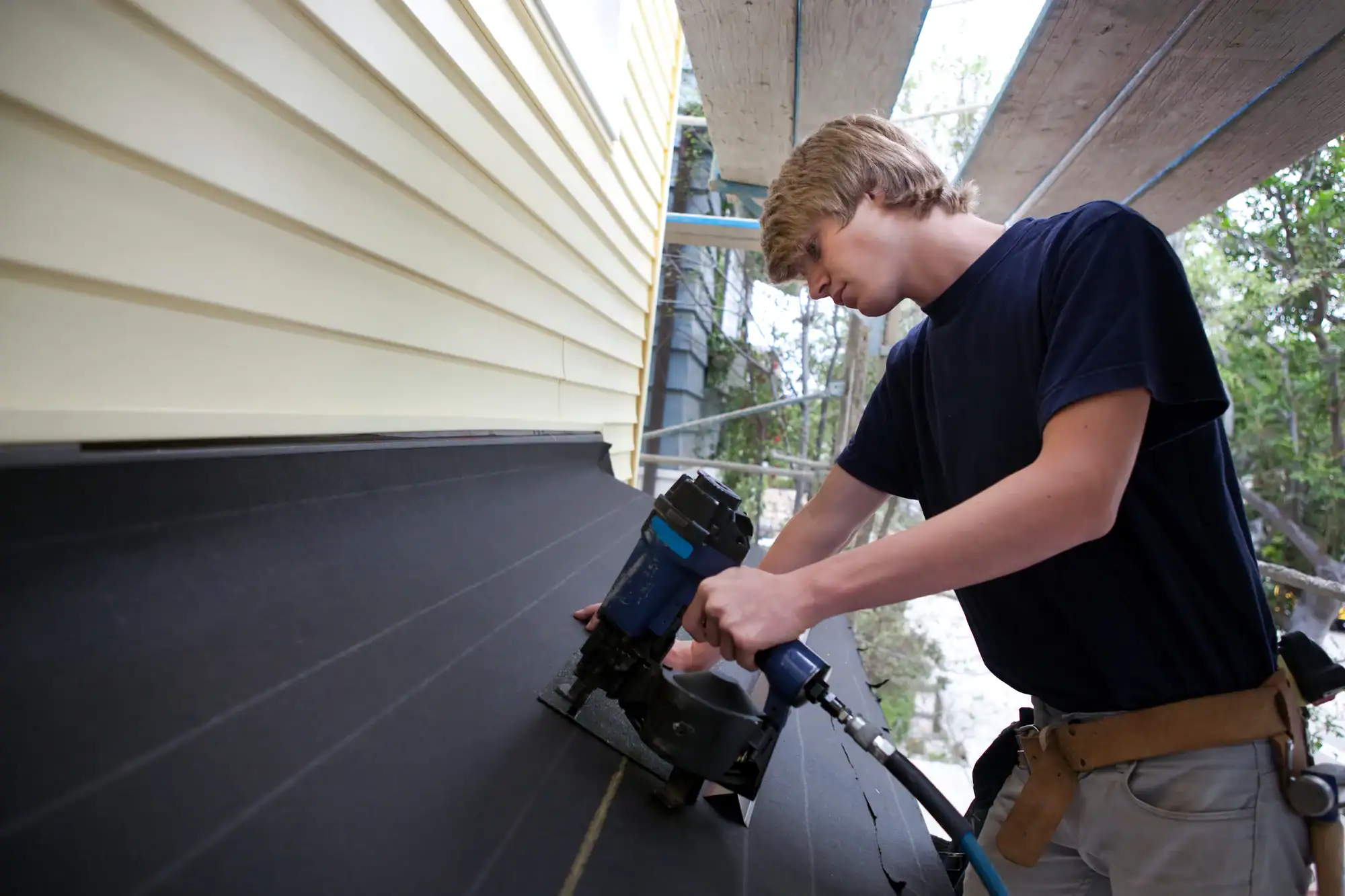
Here’s what most homeowners don’t realize: metal roofing installation requires manufacturer-specific training that general contractors simply don’t have. Standing seam systems use concealed fasteners and interlocking panels that must be installed precisely to prevent leaks and allow for thermal expansion. Get the seaming wrong, and you’ll have water intrusion. Install the clips incorrectly, and the panels can’t move with temperature changes, leading to buckling or fastener failure.
A true metal roof specialist has completed hands-on certification programs that cover panel profiles, proper seaming techniques, flashing installation, and troubleshooting common installation errors. These programs—offered by manufacturers like GAF, McElroy Metal, and MBCI—teach contractors how different roof insulation systems impact metal installation, how to identify and correct conditions prone to leaks, and how to properly install transitions outside standard eave, rake, ridge, and gable conditions.
This specialized knowledge directly impacts your roof’s performance. Contractors without proper training often make critical mistakes: using incorrect fastener patterns, failing to account for thermal movement, improperly installing trim and flashing, or reusing old components that should be replaced. Each of these errors can void manufacturer warranties and lead to premature roof failure.
The difference shows up in the details. An experienced metal roof specialist knows that standing seam systems require different underlayment than asphalt shingles, understands how to integrate snow retention devices without compromising the roof’s integrity, and can explain why hidden fastener systems cost more upfront but deliver better long-term value. A general contractor treating metal like any other roofing material won’t catch these nuances until problems emerge.
When evaluating metal roofing contractors, ask about their specific metal roofing training. Request documentation of manufacturer certifications. A qualified specialist will readily provide proof of completed training programs and explain how their expertise applies to your specific project. Vague answers or defensive responses? That’s your signal to keep looking.
How to Verify Maryland Licensing and Insurance Requirements
Every metal roofing contractor working in Maryland must hold a valid Home Improvement Commission license. This requirement exists to protect homeowners from unqualified contractors and provides access to the MHIC Guaranty Fund if something goes wrong. Contractors who operate without proper licensing put your entire investment at risk—and leave you with zero recourse if they disappear or deliver substandard work.
Verifying a license takes five minutes. Visit the Maryland Department of Labor’s website and search their database using the contractor’s business name or license number. The results show whether the license is active, when it expires, and if any disciplinary actions have been filed. Don’t accept excuses about “pending applications” or “renewals in process.” A legitimate contractor maintains current licensing at all times.
Insurance matters just as much as licensing. Maryland roofing contractors should carry at least $1 million in general liability coverage, though top-tier contractors often carry $2 million or more. This coverage protects you if someone gets injured on your property or if installation errors cause damage to your home. Workers’ compensation insurance is equally critical—without it, you could be held liable if a crew member gets hurt during your project.
Here’s what catches homeowners off guard: if your contractor uses subcontractors, those subs need their own insurance and licensing documentation. Some contractors try to cut costs by hiring unlicensed helpers or uninsured subcontractors. One injury from an uninsured worker could result in a lawsuit that costs you your home. Professional contractors maintain documentation for everyone who touches your project and provide that information upfront when asked.
Don’t just take a contractor’s word about insurance. Request certificates of insurance directly from their insurance company, not photocopies the contractor provides. Verify that coverage is current and adequate for your project scope. Call the insurance company if you have any doubts. This level of verification might feel excessive, but it’s standard practice when protecting a five-figure investment.
The Maryland Home Improvement Commission also requires contractors to maintain general liability insurance of at least $500,000 as of June 2024. This is a minimum—not a recommendation. Contractors who carry only the bare minimum coverage are telling you something about their commitment to quality and consumer protection. The best contractors exceed minimum requirements because they understand the real-world risks involved in roofing work.
Metal Roof Comparison: What Separates Quality Installation from Cut Corners
Two metal roofing contractors can quote the same system and deliver completely different results. The difference comes down to installation quality, material choices, and whether the contractor follows manufacturer specifications or takes shortcuts to finish faster. Understanding these differences helps you evaluate proposals beyond just comparing bottom-line prices.
Quality metal roof installation starts with proper preparation. The existing roof must be removed completely—no shortcuts with overlay installations that hide underlying damage. The roof deck gets inspected for rot, structural issues, or areas that need replacement. Underlayment must meet manufacturer specifications, with ice and water shield installed at eaves, valleys, and penetrations as required by Maryland building codes.
Panel installation reveals contractor expertise. Standing seam systems require precise alignment, proper clip placement, and correct seaming technique. Panels must be allowed to expand and contract with temperature changes—a detail that separates specialists from general contractors. Flashing around chimneys, vents, and transitions must be custom-fabricated and installed to prevent water intrusion. These details determine whether your roof lasts 20 years or 50.
Hidden Fastener Metal Roofing Price: What You're Actually Paying For
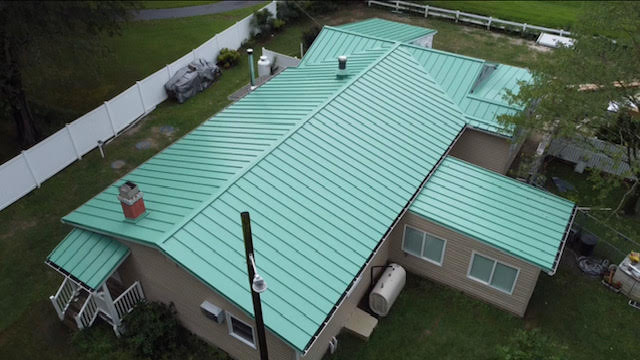
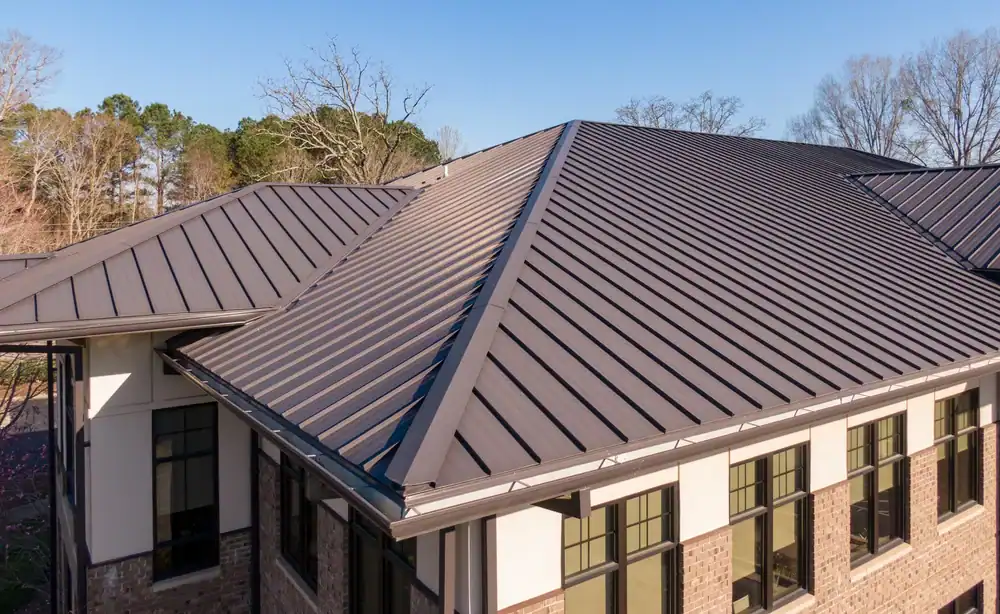
Hidden fastener metal roofing—also called standing seam—costs more than exposed fastener systems for good reason. The panels are precision-engineered to interlock, the material gauge is heavier, and installation requires more skill and time. In Talbot County, MD, expect to pay $9 to $16 per square foot installed for quality standing seam systems. That price includes materials, labor, proper underlayment, trim, flashing, and warranty coverage.
Here’s what that investment gets you: fasteners are concealed beneath the panels, never exposed to weather. This eliminates the most common failure point in metal roofing—exposed screws that back out, rust, or develop leaks as rubber washers degrade. Standing seam systems allow panels to move naturally with temperature fluctuations without stressing fasteners or creating leaks. The result is a roof that requires minimal maintenance and lasts 40 to 70 years.
Contractors who quote significantly below market rates are cutting corners somewhere. They might be using thinner gauge metal, skipping proper underlayment, reusing old flashing, or planning to rush through installation without following manufacturer specifications. Some substitute lower-quality materials than what’s listed in the contract. Others plan to use unlicensed crews or skip required building permits.
Understanding what drives hidden fastener metal roofing pricing helps you evaluate quotes intelligently. Material costs account for roughly 30-40% of the total price. The metal panels themselves range from $2 to $5 per square foot depending on gauge and finish. Trim and flashing add another 30-40% on top of panel costs—a detail many contractors omit from initial quotes. Labor represents 60-70% of the total project cost, reflecting the specialized skills required for proper installation.
When comparing quotes, look at what’s included. Does the price cover complete tear-off and disposal of your old roof? Is proper underlayment specified? What about ice and water shield at critical areas? Are trim and flashing included or listed as separate line items? A detailed estimate that breaks down materials, labor, and specific components tells you the contractor knows what they’re doing. Vague quotes with a single bottom-line number? That’s a red flag.
The best value comes from contractors who explain their pricing and help you understand the investment. They’ll discuss material options, explain why certain gauges or finishes cost more, and show you how proper installation techniques protect your investment long-term. They’re not the cheapest option—and they shouldn’t be. You’re paying for expertise, proper licensing and insurance, manufacturer certifications, and the peace of mind that comes with enhanced warranty coverage.
Red Flags That Signal a Bad Metal Roofing Contractor
Certain warning signs consistently appear with contractors who deliver poor work or create problems for homeowners. Learning to recognize these red flags helps you avoid costly mistakes before signing a contract. The first major warning sign is a contractor who can’t or won’t provide a detailed written estimate. Legitimate metal roofing contractors provide clear proposals that outline scope of work, specific materials, costs broken down by line item, payment schedule, and project timeline. Verbal estimates or vague “ballpark figures” mean the contractor plans to control the narrative later when costs mysteriously increase.
Requests for large upfront payments should trigger immediate concern. Professional contractors typically ask for 10-30% down to order materials, with the balance due upon completion. Any contractor demanding 50% or more upfront is either financially unstable or planning to take your money and disappear. This tactic is especially common with storm chasers—out-of-state contractors who follow severe weather, undercut local companies’ prices, collect big deposits, and move on to the next storm-damaged area.
Communication patterns reveal a lot about how a contractor operates. If they’re hard to reach during the sales process, they’ll be impossible to reach when problems arise. Slow responses to questions, vague answers about their qualifications, or reluctance to provide references all signal trouble ahead. Professional contractors maintain clear communication, answer questions directly, and provide documentation without hesitation.
Watch for contractors who pressure you to sign immediately or claim their “special pricing” expires if you don’t commit today. This high-pressure sales tactic aims to prevent you from getting competing bids or researching their background. Legitimate contractors understand that major home improvements require careful consideration. They’ll give you time to review proposals, check references, and make an informed decision.
Missing or inadequate insurance coverage represents a critical red flag. Some contractors carry only the bare minimum required by law—or worse, let their coverage lapse and hope nobody checks. Others use unlicensed subcontractors to cut costs, shifting liability risk to you. Any contractor who becomes defensive when asked about insurance documentation or licensing verification is telling you they have something to hide.
Material substitution is another common problem. You contract for one metal roofing product and the contractor installs something different—often leftover materials from other jobs or lower-quality alternatives. Professional contractors specify exact products in their contracts and provide documentation that what’s installed matches what was promised. They’ll show you material certifications and manufacturer information before installation begins.
Finally, be wary of contractors who suggest skipping building permits to “save money.” Permits exist to ensure work meets code requirements and protects your safety. Contractors who avoid permits are either unlicensed, uninsured, or planning installation methods that won’t pass inspection. If something goes wrong, unpermitted work can void your insurance coverage, create problems when selling your home, and leave you liable for bringing everything up to code.
Finding Qualified Metal Roofing Contractors in Talbot County, MD
Choosing the right metal roofing contractor comes down to verifiable qualifications, not marketing promises. Look for GAF Master Elite certification, confirm active Maryland Home Improvement Commission licensing, verify adequate insurance coverage, and ask for documentation of specialized metal roofing training. The contractors who meet these standards represent the top tier of the industry—and they’re the only ones you should trust with your investment.
The difference between a quality installation and a problematic one often comes down to details most homeowners never see: proper underlayment, correct fastener placement, precise panel alignment, expertly fabricated flashing. These details separate contractors who understand metal roofing systems from those who treat metal like any other roofing material. Your job is to ask the questions that reveal which category a contractor falls into.
When you’re ready to move forward with your metal roofing project in Talbot County, MD, we’re here to help. With over 30 years serving Maryland’s Eastern Shore, GAF Master Elite certification, and a commitment to quality that’s backed by enhanced warranties, we bring the expertise and proven track record your project deserves.