Summary:
You’re researching metal roofs because you’re tired of replacing shingles every 15 years. Or maybe the last storm left you with damage and you want something that actually lasts. Either way, you’re looking at a significant investment and you need straight answers about what works in Talbot County, MD.
Metal roofing isn’t one-size-fits-all. Standing seam, corrugated steel, and copper each bring different benefits, costs, and lifespans. What matters most is matching the right system to your home, your budget, and the weather conditions on Maryland’s Eastern Shore. Let’s start with what actually differentiates these options.
Metal Roofs for Homes: Understanding Your Main Options
When you’re comparing residential metal roofing, you’re really looking at three primary categories. Standing seam features vertical panels with concealed fasteners that interlock at raised seams. Corrugated metal uses wavy panels with visible screws fastened directly through the material. Copper represents the premium tier with exceptional longevity and distinctive appearance.
Each system performs differently in coastal environments. Standing seam typically lasts 40-70 years with minimal maintenance because the hidden fasteners stay protected from salt air and moisture. Corrugated systems run 25-40 years but require fastener inspections around year 15-20. Copper can exceed 100 years when properly installed, developing a protective patina that actually enhances durability.
The cost differences reflect these performance gaps. Standing seam runs $10-16 per square foot installed. Corrugated comes in around 50% less, making it the most economical metal option. Copper ranges from $15-35 per square foot depending on style and thickness. For a typical 2,000 square foot roof, you’re looking at $20,000-32,000 for standing seam, $10,000-16,000 for corrugated, or $30,000-70,000 for copper.
Standing Seam Metal Roofs for Houses
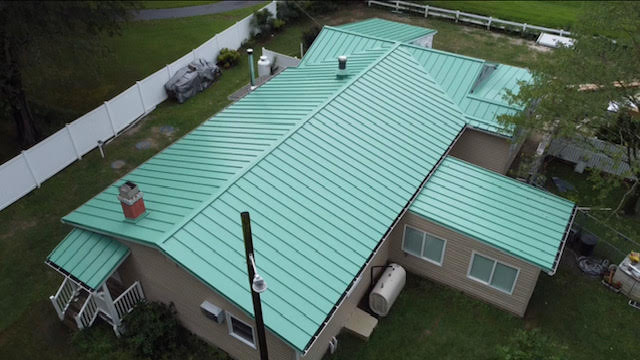
Standing seam systems use flat vertical panels that snap together at raised seams running from ridge to eave. The fasteners attach underneath these seams, completely hidden from weather exposure. This design creates clean lines while eliminating the leak points that plague exposed fastener systems.
The concealed fastener approach matters more than most homeowners realize. Every screw that penetrates your roof creates a potential entry point for water. Rubber washers deteriorate over time, especially in Maryland’s humid coastal climate. Standing seam eliminates this vulnerability entirely.
Installation requires specialized skills and equipment. The panels must be precisely aligned and mechanically seamed together. This complexity drives up labor costs but delivers superior weather protection. When hurricane-force winds hit the Eastern Shore, properly installed standing seam panels stay put while other roofing materials fail.
The material gauge affects both cost and performance. Most residential standing seam uses 24-26 gauge steel, significantly thicker than the 26-29 gauge found in corrugated panels. This extra thickness resists denting from hail and provides better wind resistance. You’re paying more upfront but getting a roof that handles severe weather without damage.
Energy efficiency gives standing seam another advantage. The raised profile allows air circulation between panels and roof deck, creating natural ventilation that reduces heat transfer. Reflective coatings can bounce up to 70% of solar radiation back into the atmosphere. Homeowners commonly see cooling cost reductions of 10-40% compared to asphalt shingles.
The aesthetic appeal matters if you care about curb appeal. Standing seam offers a contemporary, architectural look that works well on modern homes. It’s also becoming increasingly popular on traditional styles where homeowners want the clean lines and long-term performance. Color options range from classic neutrals to bold statements, all designed to resist fading for decades.
One consideration that catches some homeowners off guard is noise. Rain sounds louder on metal than asphalt, though proper insulation and underlayment significantly reduce this. If you’re sensitive to sound, discuss insulation options with us during the planning phase.
Corrugated Metal Roofing for Residential Applications
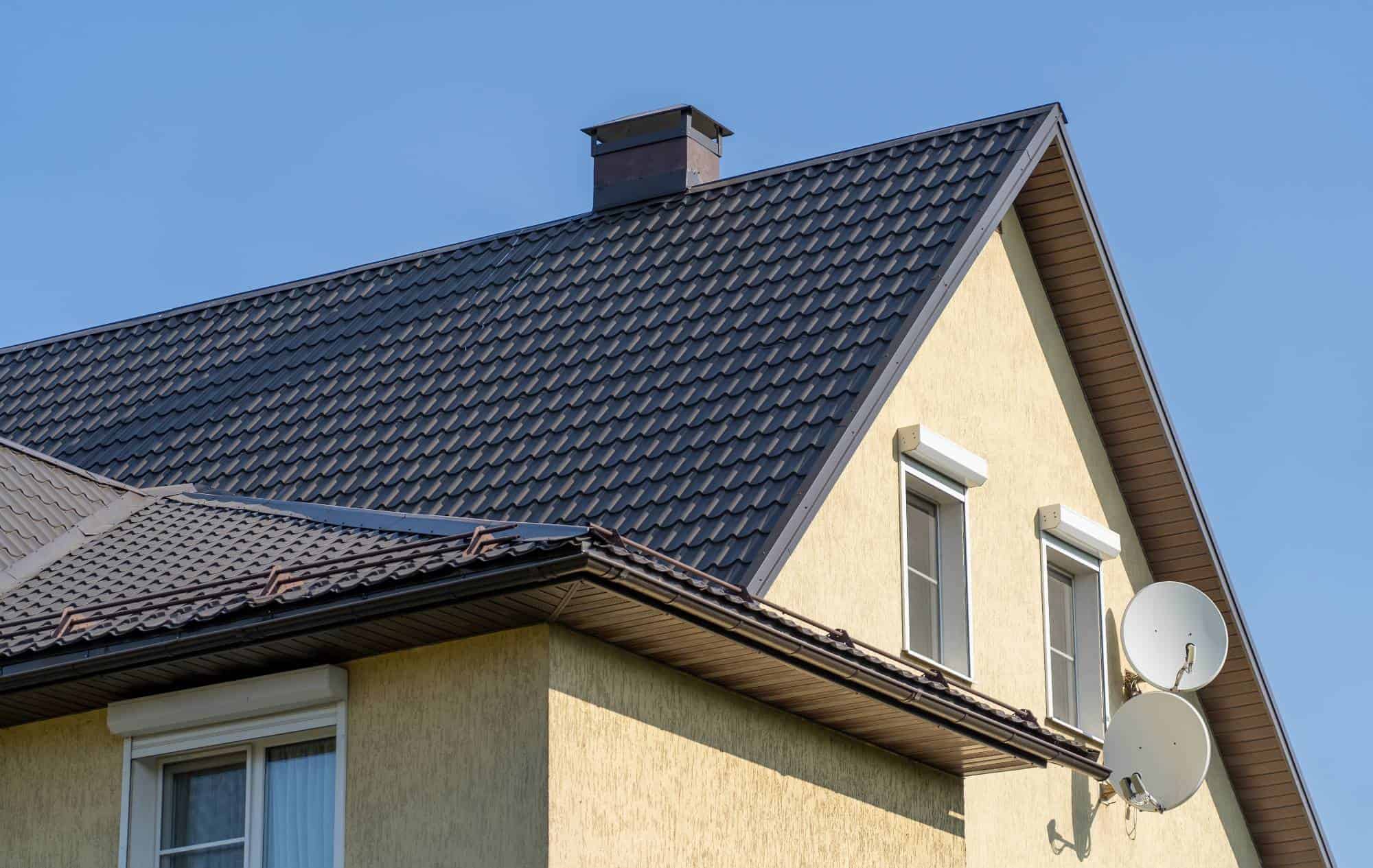
Corrugated metal features the wavy pattern you’ve probably seen on barns and industrial buildings. Those alternating ridges and valleys add structural strength, allowing thinner material to span wider distances. For residential applications, this translates to lower material costs and faster installation.
The exposed fastener system makes corrugated more accessible for budget-conscious projects. Screws attach directly through the panels into the roof deck, with rubber washers creating the weather seal. This straightforward approach means simpler installation and lower labor costs. Many contractors can install corrugated systems, whereas standing seam requires specialized training.
But those exposed fasteners come with maintenance requirements you need to understand upfront. Rubber washers compress and deteriorate over time. In coastal environments with salt air and temperature extremes, this degradation happens faster. Plan on inspecting fasteners around year 15-20 and replacing any showing wear. This isn’t complicated work, but it’s a maintenance item that standing seam systems don’t require.
The material itself performs well in most residential applications. Modern corrugated panels use galvanized steel or aluminum with protective coatings designed for decades of service. Aluminum works particularly well near the coast because it naturally resists corrosion from salt air. Steel costs less but requires quality coatings to prevent rust in marine environments.
Corrugated metal delivers solid energy efficiency despite the exposed fastener design. Reflective coatings and light colors help bounce solar radiation away from your home. You won’t see quite the same performance as standing seam’s ventilated design, but you’ll still cut cooling costs compared to traditional shingles that absorb and hold heat.
The appearance tends toward rustic or industrial rather than sleek and modern. Some homeowners love this aesthetic for farmhouses, cabins, or properties where they want that working-building look. Others find it too utilitarian for their taste. Color options help, but the wavy profile and visible fasteners create a distinctly different appearance than standing seam.
Lifespan expectations need realistic framing. A well-installed corrugated roof in favorable conditions can reach 40 years. In harsh coastal environments with salt air and severe storms, 25-30 years represents a more realistic expectation. That’s still double what you’d get from basic asphalt shingles, but it’s not the 50-70 year performance of standing seam.
For detached garages, workshops, or outbuildings, corrugated makes excellent economic sense. You get durable metal roofing at a fraction of standing seam costs. Some homeowners choose standing seam for their main house and corrugated for secondary structures, balancing premium performance where it matters most with cost savings elsewhere.
Copper Metal Roof: Premium Performance and Lifetime Value
Copper represents the premium tier of residential metal roofing, commanding prices that make most homeowners pause. But those costs reflect genuine performance advantages and aesthetic qualities no other material can match. When properly installed, copper roofs can last over a century.
The natural patina development sets copper apart visually. Fresh copper shows a warm amber tone that gradually oxidizes to the distinctive green-blue patina you’ve seen on historic buildings. This transformation typically takes 5-14 years depending on your environment. Coastal areas with higher moisture develop patina faster than dry inland locations.
That patina isn’t just beautiful—it’s functional. The oxidation creates a protective layer that prevents further corrosion. Unlike steel that rusts when the coating fails, copper actually becomes more resistant to deterioration as it ages. This self-protecting characteristic explains how copper roofs on 200-year-old buildings still perform flawlessly.
Copper Roofing Costs and Installation Considerations
Copper roofing costs run $15-35 per square foot installed, translating to $30,000-70,000 for a typical 2,000 square foot residential roof. The wide price range reflects different copper styles and installation methods. Copper shingles at the lower end cost $11-21 per square foot. Standing seam copper runs $28-31 per square foot. Flat seam copper sheets for complex roof designs hit $35 per square foot.
Material thickness affects both cost and performance. Most residential copper roofing uses 16-20 ounce copper (weight per square foot). Thicker material costs more but provides better dent resistance and longer service life. Your roof’s complexity also impacts installation costs. Simple gable roofs cost less than complicated designs with multiple dormers, valleys, and penetrations.
Finding qualified installers presents a real challenge. Copper installation requires specialized skills in soldering and seam work that many metal roofing contractors don’t possess. Mistakes lead to leaks or corrosion that undermine copper’s longevity advantages. We bring specific copper roofing experience and verifiable references to ensure proper installation.
The upfront investment makes sense when you consider lifetime costs. Asphalt shingles might need replacement 4-6 times over the same period one copper roof lasts. Even accounting for copper’s higher initial cost, the total lifetime expense often favors copper for homeowners planning to stay long-term. The calculation shifts if you’re planning to sell within 10-15 years.
Copper’s resale value impact deserves consideration. Quality copper roofing can deliver 85% ROI compared to 60-70% for other metal options. Buyers recognize copper as a premium feature that eliminates future roofing concerns. In high-end markets, copper roofing can differentiate your property from comparable homes.
One practical consideration that surprises some homeowners involves metal compatibility. Copper doesn’t mix well with aluminum, galvanized steel, or iron. Contact between dissimilar metals creates galvanic corrosion that damages both materials. If you’re installing solar panels, you’ll need stainless steel mounting hardware specifically. Copper gutters and flashing should match your copper roof to avoid compatibility issues.
Partial copper applications offer a middle ground for budget-conscious homeowners who love the look. Many choose copper for highly visible areas like dormers, bay windows, or front porch roofs, while using standing seam steel for the main roof. This approach delivers copper’s visual impact at a fraction of the cost of a full copper roof.
Energy Efficiency and Performance in Coastal Climates
Metal roofing delivers measurable energy savings regardless of which system you choose. The physics are straightforward—metal reflects solar radiation instead of absorbing it like asphalt shingles. This reflectivity keeps your roof surface cooler, reducing heat transfer into your attic and living spaces below.
The numbers matter when you’re evaluating costs. Homeowners commonly see cooling cost reductions of 10-40% after switching to metal roofing. For a typical Maryland home spending $1,500 annually on cooling, that’s $150-600 in annual savings. Over a 40-year roof lifespan, those savings add up to $6,000-24,000. Suddenly that higher upfront cost looks different when you factor in decades of energy savings.
Reflective coatings enhance these benefits further. Modern metal roofing uses specialized pigments that reflect infrared wavelengths while absorbing visible light. This technology allows darker colors to perform nearly as well as light colors for energy efficiency. You don’t have to sacrifice your preferred aesthetic to get energy performance.
Talbot County’s coastal climate creates specific challenges that metal roofing handles exceptionally well. Salt air accelerates corrosion of metal components on traditional roofs. Aluminum and copper naturally resist this corrosion. Steel systems need quality protective coatings, but properly finished steel performs well in marine environments when installed correctly.
Hurricane-force winds and nor’easters test roofing systems in ways that inland properties never experience. Metal roofing’s interlocking design and secure fastening systems provide superior wind resistance. Standing seam panels properly installed can withstand winds exceeding 140 mph. Even corrugated systems with exposed fasteners outperform asphalt shingles in high wind events.
Temperature extremes stress roofing materials through expansion and contraction cycles. Maryland’s hot, humid summers and cold, wet winters create these cycles repeatedly. Metal roofing’s design accommodates thermal movement without cracking or deteriorating. Standing seam systems specifically allow panels to expand and contract freely, preventing the stress that causes fastener withdrawal and panel damage.
The moisture resistance matters more than most homeowners realize. Eastern Shore properties face high humidity year-round, creating perfect conditions for mold and deterioration in traditional roofing materials. Metal doesn’t support mold growth and sheds water immediately. Proper ventilation below metal roofing prevents moisture accumulation that would damage wood decking over time.
Choosing the Right Residential Metal Roofing for Your Home
The right metal roof for your Talbot County, MD home depends on your specific situation—budget, how long you’re planning to stay, and what weather challenges matter most. Standing seam delivers premium performance and minimal maintenance for 40-70 years. Corrugated offers solid protection at roughly half the cost. Copper provides lifetime durability with unmatched aesthetic appeal.
What matters most is working with contractors who understand Maryland’s Eastern Shore climate and have the certifications to back up their expertise. GAF Master Elite contractors represent the top 2% nationwide and can offer enhanced warranties that standard contractors simply cannot provide. That certification means ongoing training, proven track records, and access to premium materials designed for coastal environments.
When you’re ready to move forward with residential metal roofing, we bring 30 years of local experience specifically serving Maryland’s Eastern Shore. Our combination of GAF Master Elite certification, in-house crews, and deep understanding of coastal weather challenges ensures your investment delivers the protection and performance you’re paying for.