
Summary:
Your Roof's Age Isn't Just About Years - It's About What It's Survived
In Maryland, your roof’s age isn’t just about the calendar. It’s about what it’s been through. Asphalt shingles, the most common roofing material in Maryland, typically last around 20-25 years, but that’s under normal conditions.
Here on the Eastern Shore, normal doesn’t exist. Maryland’s combination of hot summers, icy winters, and unpredictable storms can take a toll on your roof, with high temperatures causing shingles to warp and crack, ice dams leading to leaks, and strong winds dislodging materials. Your 20-year-old roof might be performing like it’s 30.
If your roof is approaching that 20-year mark and you’re starting to see issues, it’s time for an honest conversation about replacement versus repair.
When Maryland Weather Wins: Storm Damage That Demands Replacement
Maryland doesn’t mess around when it comes to severe weather. Recent storms have brought hail as large as 1.75 inches and coatings on the ground inches deep, while wind gusts have reached 60-70 mph, with some areas experiencing gusts over 55 mph. The most severely damaged areas have seen estimated peak winds up to 90 mph.
That’s not just weather – that’s a roof replacement event waiting to happen. When storms like these roll through, they don’t just knock off a few shingles. They can compromise your entire roofing system. Recent severe weather has caused widespread damage from Canton to Dundalk, with buildings having roofs torn off and water pouring through damaged structures.
After any major storm, you need a professional inspection. What looks like minor damage from the ground often reveals much more serious issues once you get up there. Missing shingles, damaged flashing, and compromised underlayment can all lead to water infiltration that you won’t see until it’s too late.
The key question isn’t whether the storm caused damage – it’s whether the damage is isolated or systemic. A few missing shingles? That’s a repair. But persistent or multiple leaks in different areas often mean the entire system has reached the end of its life. Widespread granule loss, curling shingles, or exposed underlayment across large sections of your roof means it’s time to start planning for replacement.
Don’t let insurance adjusters pressure you into temporary fixes if the underlying system is compromised. A roof replacement isn’t just an expense—it’s an investment in your home’s safety and value that eliminates the cycle of repeated patchwork and surprise leaks.
The Warning Signs Most Homeowners Miss
The obvious signs are easy to spot – water stains on your ceiling, missing shingles after a storm, or that slow drip in the corner of your bedroom. But the warning signs that really matter often happen long before you see water damage inside your home.
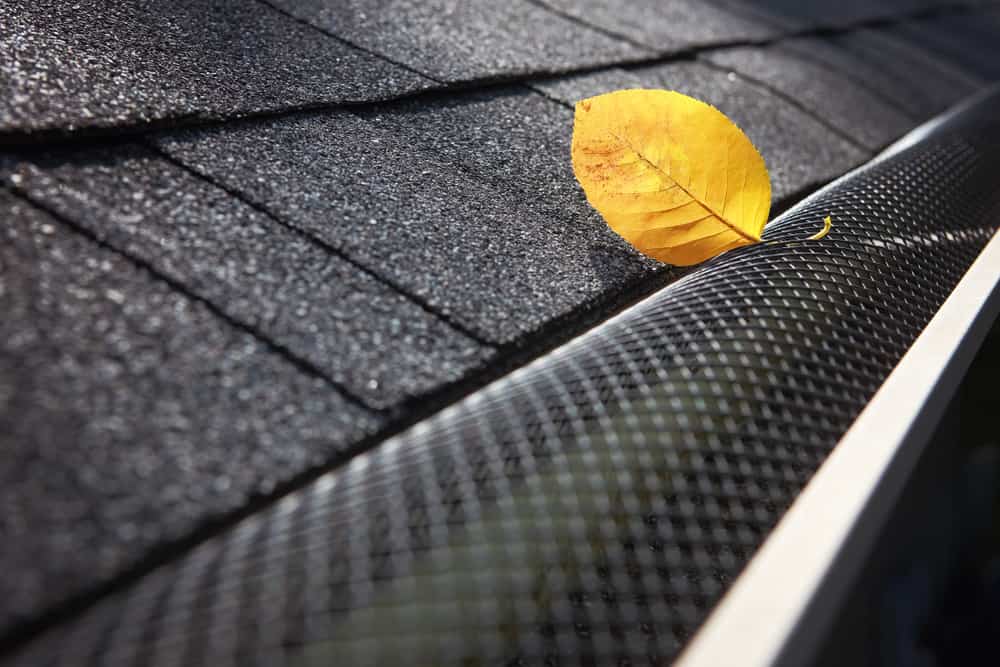
Granule loss is one of the most telling indicators. Asphalt shingles are coated with granules to protect them from UV rays, and if you notice granules collecting in your gutters or bald spots on your shingles, it’s a sign your roof is wearing out. This isn’t something that happens overnight – it’s the result of years of exposure to Maryland’s intense summer sun and temperature fluctuations.
Curling, buckling, or missing shingles are clear indicators that your roof is losing its ability to protect your home. In Maryland’s humid summers, damaged shingles can deteriorate quickly, leading to further issues. Once shingles start curling at the edges, they’re no longer creating a proper seal against moisture.
Rising energy bills can also signal roof problems. An aging roof may lack proper insulation and ventilation, causing your heating and cooling systems to work harder. If your energy costs have been climbing without explanation, your roof could be the culprit.
Perhaps most concerning is when you can see daylight through your attic. If sunlight is streaming through gaps in your roof, Maryland’s heavy rainstorms can quickly turn these gaps into major leaks. This level of deterioration almost always requires complete replacement.
The bottom line? If you’re constantly fixing leaks or replacing shingles, frequent repairs are a sign that your roof’s overall structure is failing. Instead of continuing to patch problems, it may be more cost-effective to replace the entire roof.
What a Maryland Roof Replacement Really Costs (And Why It's Worth It)
Let’s talk numbers, because this is probably what’s keeping you up at night. On average, the cost of a new roof in Maryland ranges from $15,000 to $45,000, with most homeowners spending around $21,000 for a 3,000-square-foot roof replacement using architectural shingles, while smaller roofs like townhouses tend to run around $8,000 to $10,000.
That’s a significant investment, but it’s important to understand what drives these costs and how to plan for them. Labor plays a major role in overall roof replacement costs, often accounting for 40 to 50% of the overall price, especially when you’re dealing with complex roof systems.
The good news? A quality roof replacement isn’t just an expense – it’s an investment that pays dividends in protection, energy efficiency, and home value.
What Drives Your Roof Replacement Cost
Several factors influence what you’ll pay for a new roof in Maryland, and understanding them helps you make better decisions about materials and timing.
Size matters, obviously, but it’s not just square footage. The bigger the roof, the more materials and labor are needed, but it’s not just square footage—roof pitch, number of layers, valleys, dormers, and skylights all add to the job complexity. A simple ranch home might cost significantly less per square foot than a Victorian with multiple dormers and steep angles.
Material choice makes a huge difference too. Architectural shingles, offering durability and aesthetic appeal, typically cost between $5.50 and $10 per square foot, materials and installation included. While 3-tab asphalt shingles may be slightly cheaper initially than architectural shingles, they will generally cost you more money down the line, which is why investing in high-quality shingles is recommended.
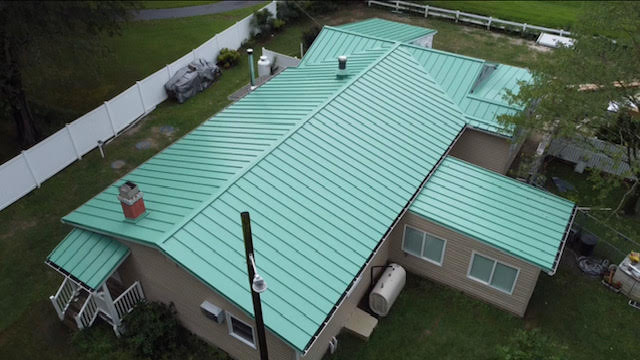
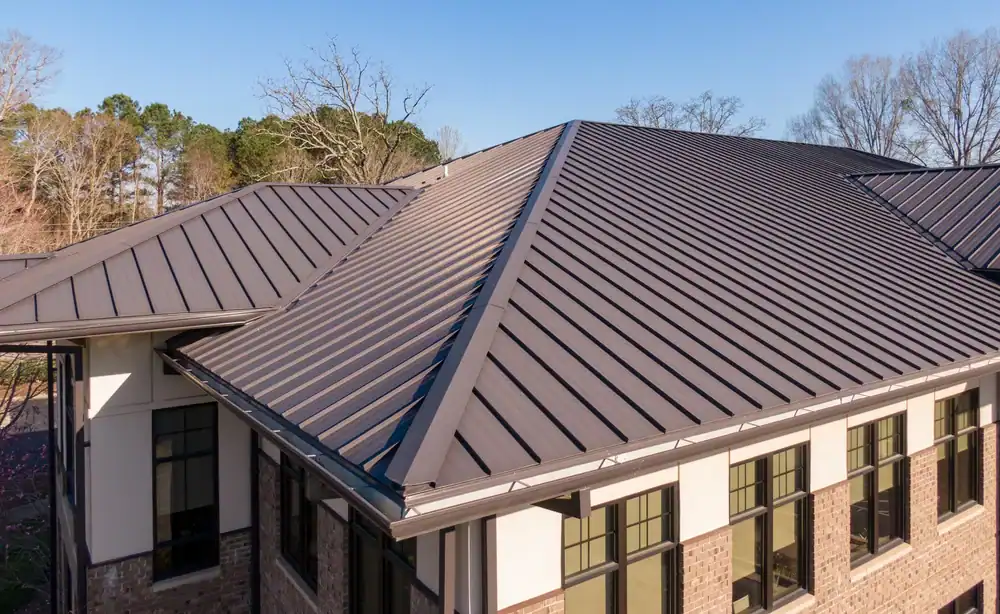
Metal roofing is a durable and stylish option for Maryland homes, usually costing between $9 and $11 per square foot for materials only, though the total cost varies significantly based on the type of metal chosen and installation complexity.
Location within Maryland also affects pricing. Eastern Shore projects might have different labor costs than Baltimore metro area jobs, and accessibility plays a role too. If your roof is difficult to access or requires special equipment, expect to pay more.
Don’t forget about the surprises that only show up once work begins. Unseen repairs and damage can add to the final costs, and it’s not uncommon to find deteriorated flashing around chimneys and vents, water damage, rot on plywood sheathing, or disconnected vent pipes once old shingles are removed.
How to Choose the Right Contractor for Maryland's Climate
This is where many homeowners make costly mistakes. The lowest bid isn’t always the best value, especially when you’re talking about protecting your most valuable asset from Maryland’s challenging weather conditions.
Contractors certified by GAF must be insured and licensed in states where they operate, and GAF also considers years of roofing experience and customer reviews in the certification process. GAF Master Elite Certification is a factory program designed to hand-pick the best roofers in the business, allowing GAF to ensure their products are being installed by top-notch professionals.
This matters because Master Elite contractors are entrusted to offer GAF enhanced warranties including the Golden Pledge Limited Warranty, which provides significantly better protection than standard manufacturer warranties.
When evaluating contractors, look for local experience with Maryland’s specific challenges. A contractor familiar with Maryland’s climate and building codes is crucial for a successful project. They should understand local permit requirements, proper ventilation for our humid summers, and installation techniques that can withstand our severe weather.
For Maryland’s variable climate, asphalt shingles are popular for their affordability and durability, while metal roofing is known for its longevity and resistance to extreme weather. Metal roofing is always a good option for Maryland’s often wet and unstable weather, as it comes in various styles, won’t be affected by moisture and humidity, and is very resistant to wind and wild weather.
The installation quality matters just as much as the materials. Poor installation can lead to leaks, damage, and reduced lifespan of your roof, while proper attic ventilation and insulation are crucial in Maryland to prevent ice dams in winter and reduce cooling costs in summer.
Making the Smart Choice for Your Maryland Home
Knowing when to replace your roof isn’t always clear-cut, but the signs we’ve discussed – age, storm damage, rising energy costs, and frequent repairs – paint a pretty clear picture when taken together. The key is having the right information to make an informed decision about what’s best for your home.
Remember, a roof replacement is a significant investment for any homeowner, but it’s also one of the most essential upgrades you can make to protect your home and maintain structural integrity. Waiting too long often means dealing with emergency repairs, water damage, and much higher costs down the road.
If you’re seeing multiple warning signs or your roof is approaching that 20-25 year mark, it’s time to get a professional assessment. We offer comprehensive inspections and honest evaluations to help you understand exactly where your roof stands and what your options are.