Summary:
Why Multi-Family Siding Installation Requires Different Expertise
Single-family siding installation and multi-family projects aren’t even in the same category. You’re not just protecting one structure—you’re managing an entire community where siding failure in one unit creates problems for everyone around it.
Shared walls mean fire codes get stricter. Building departments scrutinize multi-family projects differently. And when you’ve got tenants living in units while work happens next door, project management becomes as important as the installation itself.
The contractors who handle residential work all day might not understand these dynamics. Commercial siding installation in PG County requires familiarity with building codes for attached housing, experience coordinating around occupied units, and knowledge of which materials actually perform in high-density residential settings.
Fire-Resistant Siding Materials for Shared-Wall Properties
Fire safety isn’t optional when walls connect multiple living spaces. Building codes in Prince George’s County and surrounding Maryland jurisdictions require specific fire ratings for townhomes and multi-family dwellings—and for good reason.
Modern vinyl siding can achieve Class A fire ratings with ignition temperatures around 730°F, significantly higher than wood’s 500°F threshold. That temperature difference matters when a kitchen fire in unit 12 could potentially spread to units 11 and 13. Fiber cement siding offers even better fire resistance, maintaining structural integrity during extended heat exposure and giving firefighters critical extra minutes to control flames before they reach interior building components.
But fire ratings on a spec sheet don’t mean much if installation doesn’t follow manufacturer requirements. Water-resistance barriers, proper flashing around openings, and correct fastening patterns all affect how siding performs during a fire event. You’re not just buying materials—you’re buying installation expertise that ensures those materials actually protect your property the way they’re designed to.
The cheapest bid often comes from contractors who don’t understand these nuances. They’ll install vinyl siding the same way they would on a detached house, missing the details that matter for shared-wall construction. Then when the building inspector flags issues during the final walkthrough, you’re paying twice—once for incorrect work, and again to fix it properly.
Durability Requirements for Maryland's Climate Extremes
Maryland hits multi-family properties with everything: 42 inches of annual rainfall, humid summers that promote mold growth, temperature swings from below freezing to over 90°F, and severe storms that test every fastener and seam in your siding system.
Multiply those stresses across 20, 50, or 100 units, and you see why material selection matters. Vinyl siding offers excellent value and low maintenance, but cheaper vinyl products fade under UV exposure and can become brittle in cold weather. Higher-quality vinyl formulations resist these issues, but you need to know which products actually deliver on those promises in Maryland’s specific climate.
Fiber cement siding handles temperature fluctuations and moisture without warping or cracking. It’s particularly effective against Maryland’s heavy rainfall and occasional snow loads. The material doesn’t rot, doesn’t attract insects, and maintains its appearance for decades. The tradeoff is higher upfront cost and more complex installation requirements—but for property managers tired of repainting or replacing failing siding every few years, that tradeoff often makes financial sense.
Wood siding provides beautiful aesthetics but requires regular maintenance to prevent moisture damage in Maryland’s humid climate. For multi-family properties, that means ongoing maintenance costs multiplied across every building in your community. Some HOAs and property owners accept that tradeoff for the appearance. Others prefer materials that won’t demand attention every 3-5 years.
The key is matching material to your specific situation. A luxury townhome community might justify fiber cement’s premium cost and appearance. A value-focused apartment complex might prioritize vinyl’s low maintenance and affordability. Neither choice is wrong—but making that choice without understanding how materials perform in Maryland’s climate leads to expensive regrets.
Commercial Siding Installation Process for Multi-Family Properties
Installing siding on occupied multi-family properties requires different planning than residential work. Tenants are living their lives while crews work outside their windows. Noise, debris, and access issues all need management.
We start with thorough inspection of existing conditions, identifying moisture damage, structural issues, and any problems that need addressing before new siding goes up. Then comes material selection, project scheduling that minimizes tenant disruption, and coordination with building management to communicate timelines and expectations to residents.
Most multi-family siding installations take longer than single-family projects simply due to scale and complexity. But experienced contractors complete work efficiently while maintaining property cleanliness and respecting tenant needs.
Coordinating Siding Replacement Around Occupied Units
Your tenants didn’t sign up for construction noise at 7 AM or contractors blocking their parking spaces. Managing occupied properties during siding installation requires clear communication, realistic scheduling, and crews who understand they’re working around people’s homes.
Start with advance notice to all affected residents. Explain the timeline, what to expect each day, and who to contact with concerns. Property managers who skip this step deal with complaint calls throughout the project. Those who communicate proactively find tenants are generally understanding about temporary inconvenience.
Scheduling matters too. Working section by section allows you to complete buildings or units fully before moving to the next area, reducing how long any individual tenant deals with active construction outside their windows. Some properties schedule work during weekday business hours when many residents are at work. Others find weekend work minimizes complaints. We work with your schedule, not dictate it.
Debris management becomes critical with occupied units. Falling siding pieces, nails, and construction materials can’t pile up in areas where residents walk, children play, or cars park. Our crews contain work areas, clean up daily, and ensure pathways remain safe and accessible throughout the project.
Access issues require planning too. Ladders, scaffolding, and equipment need positioning that doesn’t block entries, fire exits, or parking. Crews need access to building exteriors without entering individual units whenever possible. When interior access is necessary—say, to inspect for moisture damage behind siding—scheduling those inspections with advance resident notice keeps everyone comfortable with the process.
Meeting Maryland Building Codes and Inspection Requirements
Building codes for multi-family siding installation in Maryland go beyond what’s required for single-family homes. Inspectors scrutinize fire ratings, moisture barriers, and installation methods more carefully when multiple families share connected structures.
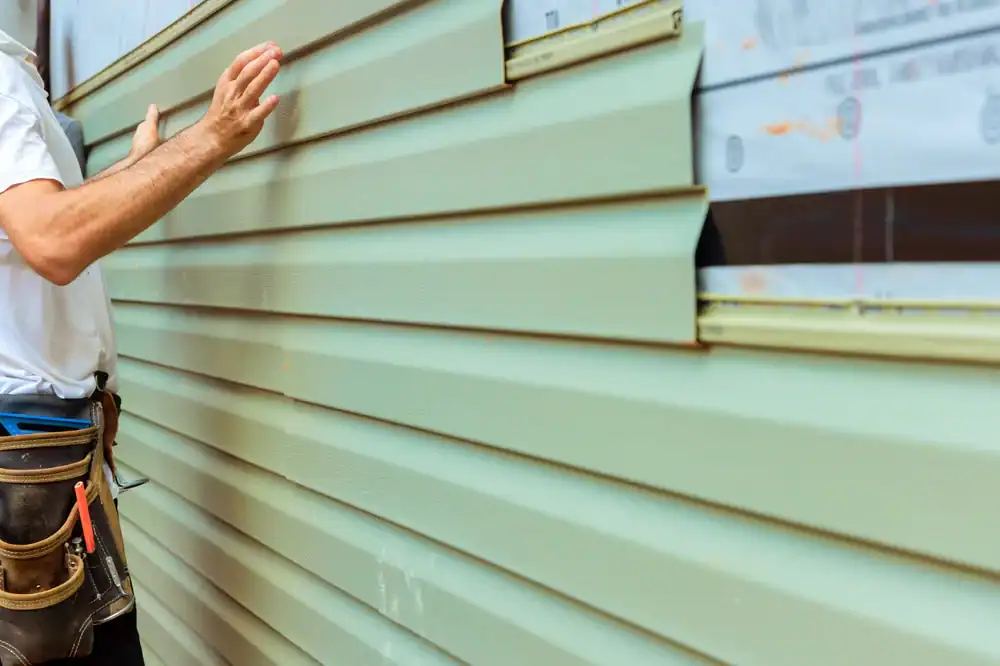
Water-resistance barriers aren’t optional—they’re required by Maryland building codes for inspection approval. These barriers go behind siding to prevent moisture infiltration that leads to mold, rot, and structural damage. On multi-family properties where one moisture problem can affect multiple units, proper barrier installation protects your entire investment.
Fire-rated assemblies require specific construction methods. The siding material itself might have a Class A fire rating, but the complete wall assembly—including sheathing, barriers, and fastening methods—needs to meet code requirements for attached housing. Contractors experienced with commercial siding installation in PG County understand these requirements and build them into their installation process from the start.
Inspection failures delay projects and cost money. When work doesn’t pass inspection, you’re paying crews to return and correct issues, extending your timeline and potentially leaving buildings partially completed for weeks. We get inspections right the first time because we know what inspectors look for and build to those standards automatically.
Some property managers try to save money by hiring residential contractors for multi-family work. Those contractors might do excellent work on single-family homes but lack familiarity with commercial building codes and multi-family inspection requirements. The “savings” disappear when inspection failures require rework, or worse, when improperly installed siding leads to moisture damage affecting multiple units years after installation.
Protecting Your Multi-Family Investment With Professional Siding Installation
Your townhome community or apartment complex represents significant investment. The siding protecting that investment needs to meet fire codes, withstand Maryland weather, and last for decades without constant maintenance calls.
Fire-resistant materials, proper installation following Maryland building codes, and contractors who understand multi-family project management all contribute to outcomes that protect your property and your tenants. Cutting corners on any of these elements creates problems that compound across multiple units.
We bring 30+ years of experience and GAF Master Elite certification to multi-family siding projects across Prince George’s County, Anne Arundel County, and Maryland’s Eastern Shore. From initial inspection through final building department approval, our focus stays on installation that protects your investment for the long term.