Summary:
How to Assess Storm Damage to Your Siding
When checking for storm damage, avoid midday when the sun is brightest—try checking in the morning or late afternoon for the best visibility. Professional siding contractors know that storm damage assessment requires systematic evaluation, not just a quick walk-around.
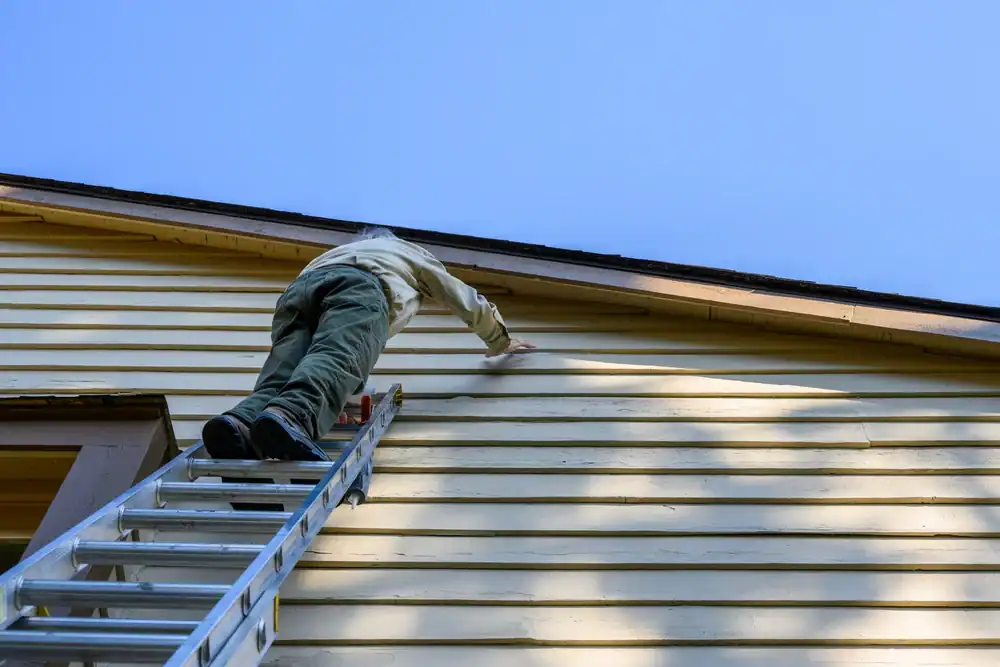
Start by walking around your home and looking for signs of damage, taking note of everything you find. Document everything with photos—they’ll be crucial when working with your insurance company.
Identifying Wind and Hail Damage Patterns
On vinyl siding, hail damage typically shows as cracks or holes. Steel or aluminum siding will show dents and cracked or chipped paint. For wood and fiber cement boards, dents are the most common sign of hail damage.
Identifying hail damage can be extremely obvious or rather subtle, largely dependent on hail size and the siding material itself. The size of storm hailstones has the most impact on damage—when large enough, no siding will avoid cracking, chipping, and breaking, with baseball-sized hail wreaking havoc on vinyl siding.
Age plays a critical role—as vinyl siding ages, it loses flexibility and becomes brittle, making it more prone to damage from even small hailstones. South-facing elevations can be baked by sun over time, and western walls often receive the brunt of heavy wind, rain, and sleet, degrading the siding’s integrity and making it more likely to be damaged.
We also examine areas directly under eaves in the one to two-foot section, where damage patterns help distinguish between storm impact and normal wear. Where there is one hail strike, there are likely more—finding damage to roofing and siding often means complete replacement covered by insurance.
Professional Storm Damage Documentation Techniques
We document damage thoroughly with photos and detailed reports that insurance adjusters need to process claims properly, with experience in insurance requirements helping streamline the process. This documentation goes far beyond what most homeowners capture on their own.
Maryland storms can cause hidden damage behind siding that isn’t immediately obvious, and thorough professional inspections often reveal issues that homeowners miss, ensuring claims cover everything that needs fixing. The process starts with comprehensive inspection to identify all storm-related damage, not just obvious problems, as many homeowners miss subtle damage that can lead to bigger issues later.
Professional assessment includes checking for falling debris damage where tree limbs, power poles, and wind-driven debris can penetrate roof deck and allow water to rush in, causing serious structural damage. Even small hailstones can harm a roof by pummeling shingles, cracking tile, and causing hidden “hail bruises” on underlayment.
Inspecting for hail damage and making chalk marks to present the case to insurance companies is standard practice, as just a couple of missing shingles, creased shingles, or significant granule loss and matting damage from hail can get a full roof replacement paid for by insurance. The same thorough approach applies to siding assessment, where we mark and document every impact point.
Professional Siding Repair vs. Replacement Decisions
While minor repairs can sometimes be DIY projects, extensive fixes require professional hands, especially if vinyl siding is over 20 years old and displays widespread damage where replacement becomes more economical than multiple repeated repairs.
Major damage includes missing panels, large holes or cracks, or widespread damage across large areas from severe hail storms, and while it’s sometimes possible to replace damaged panels or patch large spots, we recommend replacement for widespread damage.
When Professional Patching Makes Sense
Siding patching is essential maintenance that involves repairing damaged or worn sections to restore appearance and protection, helping prevent moisture infiltration, insect damage, and further deterioration while preserving structural integrity and extending existing siding life.
Vinyl siding repair focuses on fixing cracks, holes, or warped panels to maintain the waterproof barrier, including patching small areas or replacing individual panels to ensure durability and visual appeal, with repairs designed to blend seamlessly with existing siding. Small areas of vinyl siding can be patched relatively easily with few tools and materials, allowing care for minor problems before they develop into extensive damage and avoiding moisture penetration and structural damage.
Professional patching becomes the right choice when damage is minor and localized rather than severe or extending over large areas. We suggest quick repairs for relatively new siding that isn’t causing increased energy costs or moisture issues indoors, and distinguishing when repair is preferable to replacement is crucial for saving unnecessary expenses.
Weather damage patching targets areas affected by hail, wind, or sun exposure to stop further deterioration, including replacing or repairing damaged siding parts and resealing joints to improve weather resistance, which is crucial for maintaining insulation and protection. Professional patching addresses color mismatches that can ruin aesthetics, using advanced color-matching techniques to ensure repairs blend perfectly with current siding.
Understanding Insurance Coverage for Siding Storm Damage
Homeowners insurance likely covers wind damage to siding, as wind damage can come in multiple forms and is usually covered unless specifically excluded by policy endorsement. Insurance should also cover hail damage to siding, but be sure to file for hail damage promptly after it occurs and verify damage exceeds your deductible.
The claims process involves contacting your insurance company to file a claim as soon as possible to avoid delays, then scheduling an adjuster inspection where your insurance company sends an adjuster to evaluate damage and determine coverage. This includes getting estimates from reputable contractors, then once approved, working with trusted contractors to restore siding to original condition.
Using experienced storm damage contractors is usually a good idea because many specialize in damage claims and complete roof and siding replacements, being very familiar with the claims process and able to assist from before claim submission until project completion. We meet with adjusters if needed and provide detailed estimates matching insurance industry standards—not about inflating costs, but ensuring all necessary repairs are covered so the job is done right.
Most people don’t know that even small, seemingly minor damage is eligible for insurance payment, such as hail-damaged gutters with dents highlighted by adjusters that need replacement covered by insurance. However, insurers are sometimes hesitant to cover hail damage to siding if damage isn’t immediately reported or clearly evident, as it can be hard to determine if cracks or holes result from hail or other causes.
Choosing Professional Storm Damage Repair Services
When storm damage strikes your Maryland or Delaware home, working with experienced professionals makes the difference between proper restoration and ongoing problems. We work directly with insurance companies to handle storm damage claims, understanding that Eastern Shore homes face regular storm exposure and insurance typically covers siding damage from wind, hail, and debris impact.
The best contractors work directly with insurance companies to help homeowners navigate storm damage claims, understanding how insurance adjusters evaluate siding damage and what documentation they need, then inspect damage thoroughly and provide detailed estimates that insurance companies can easily process. Look for contractors with proven experience in your local area who understand coastal weather challenges and maintain proper licensing and insurance.
For Maryland and Delaware homeowners dealing with siding storm damage, we at Bay Area Exteriors bring over 30 years of Eastern Shore experience and GAF Master Elite certification to every project, ensuring your home receives the professional restoration it deserves.